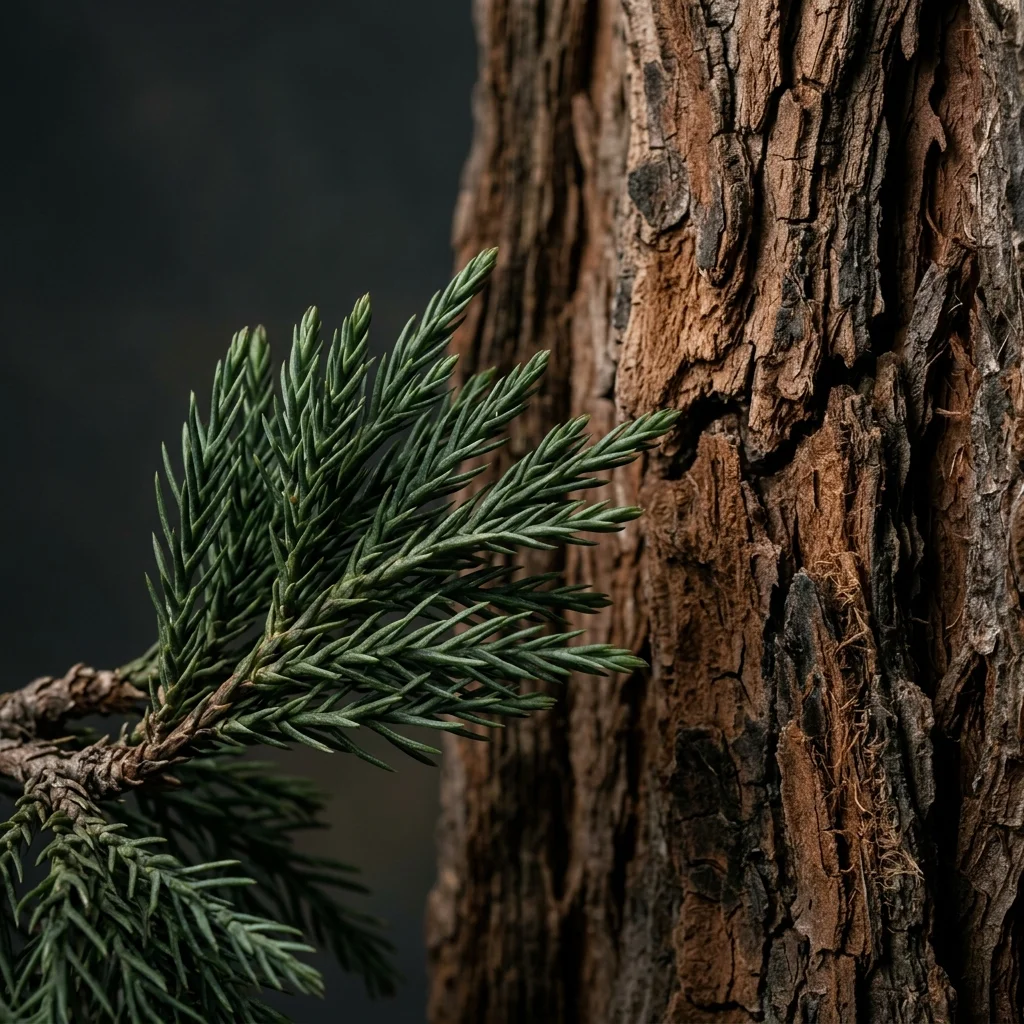
Sequoiadendron giganteum

Giant Sequoia Care & Identification Guide

The magnificent Giant Sequoia (Sequoiadendron giganteum) is a colossal and highly spectacular evergreen giant native to the dry, snowy slopes of California's Sierra Nevada, celebrated as the world's largest tree by volume. Growing a massive, columnar trunk, it features a thick, sponge-like cinnamon-brown bark that provides unparalleled protection against wild forest fires. Highly suited for spacious estates or parks, it requires gritty, fast-draining mineral-rich soil, bright direct sunlight, and cyclic watering.


Sunlight Icon
Sunlight Full Sun
Watering Icon
Watering Moderate
Soil Mix Icon
Soil Mix Gritty Loam
Temperature Icon
Temperature -20°C to 30°C
Toxicity Warning Icon
Toxicity Non-toxic
Botanical photography of Giant Sequoia (Sequoiadendron giganteum) - Plant AI care database

How to Identify Giant Sequoia

Identify Giant Sequoia immediately by its highly distinct biological features. Native to its specific ecosystem, it showcases spectacular foliage and structural habits optimized for its environment.

  • Distinctive Features: Awl-shaped, scale-like sharp blue-green leaves arranged spirally around the twigs, with deeply furrowed thick red-brown spongy bark.
  • Typical Coloration: Silvery-blue to bright olive-green scale foliage, with rich cinnamon-brown trunk.
  • Potential Confusions: Similar to Coast Redwood, but distinguished by its sharp, scale-like leaves (Coast Redwood has flat needles) and massive columnar base.

11-Step Professional Care & Planting Guide

💧 【Watering & Moisture】 Water moderately. Allow the soil to dry out slightly before watering. Highly sensitive to soggy root systems.

☀️ 【Sunlight & Exposure】 Requires full direct sun. Needs intense light to maintain its robust structure and dense needle coloration.

🪴 【Ideal Soil Mix】 Requires gritty, exceptionally fast-draining mineral-rich soil. Blend 50% coarse sand, 30% sandy loam, and 20% organic compost.

🌡️ 【Temperature & Winter Care】 Cold-hardy (USDA Zone 5-8). Enjoys warm summers and cold, snowy winters. Highly tolerant of winter frost.

✂ 【Pruning & Grooming】 No pruning required. Let the tree form its natural dome. Remove lower dead branches to reveal the beautiful trunk.

🧪 【Fertilization】 Feed lightly once in early spring with an evergreen slow-release fertilizer. Avoid over-fertilizing.

🏺 【Potting & Garden Planting】 Plant in spacious, open ground away from buildings. Dig a planting hole 3 times wide, backfill with gritty sand-loam, and mulch.

🌱 【Propagation】 Propagated by seeds which require fire or insect activity to open the cones. Stratify seeds for 6 weeks before sowing.

🐛 【Common Pests】 Extremely resistant to pests due to high wood tannins. Watch for occasional pine beetles on stressed young trees.

🦠 【Common Diseases】 Root rot or damping-off in seedlings if grown in soggy, stagnant soil. Gritty soil is essential.

🎓 【Botanist Advice】 Giant Sequoias love sunlight and drainage! Never plant them in low-lying wet clay corners. Give them the highest, sunniest spot in your garden.

Frequently Asked Questions

Q: How does Giant Sequoia survive forest fires?

A: Its bark is a fire shield! The cinnamon-colored spongy bark is up to 2 feet thick, contains no flammable pitch or sap, and insulates the living wood from heat.

Q: Is the Giant Sequoia safe for pets?

A: Yes, Sequoiadendron giganteum is completely non-toxic and pet-safe for dogs and cats.

Q: Is it larger than the Coast Redwood?

A: By volume, yes! While the Coast Redwood is taller, the Giant Sequoia has a much wider trunk, making it the largest tree by total wood volume.

Q: Can I grow Giant Sequoia in a pot?

A: Only for a few years! Its rapid taproot growth requires deep ground soil. Potting in containers will dwarf it and cause root circling.

Is your Giant Sequoia showing yellow or dry needles?

Don't let rot or scale pests kill your trees. Upload a photo now to get an instant AI botanical diagnosis and protect your forest today!

Diagnose Giant Sequoia Now