Ginkgo Care & Identification Guide
The magnificent Ginkgo (Ginkgo biloba), also known as the Maidenhair Tree, is a highly spectacular deciduous living fossil native to China, celebrated globally as the sole survivor of an ancient plant order dating back 270 million years. Respected globally for its extreme hardiness against pests, city pollution, and nuclear radiation, it features elegant fan-shaped leaves that turn a blindingly bright golden-yellow in autumn. It requires well-drained, deep loam, moderate watering, and bright direct sunlight.





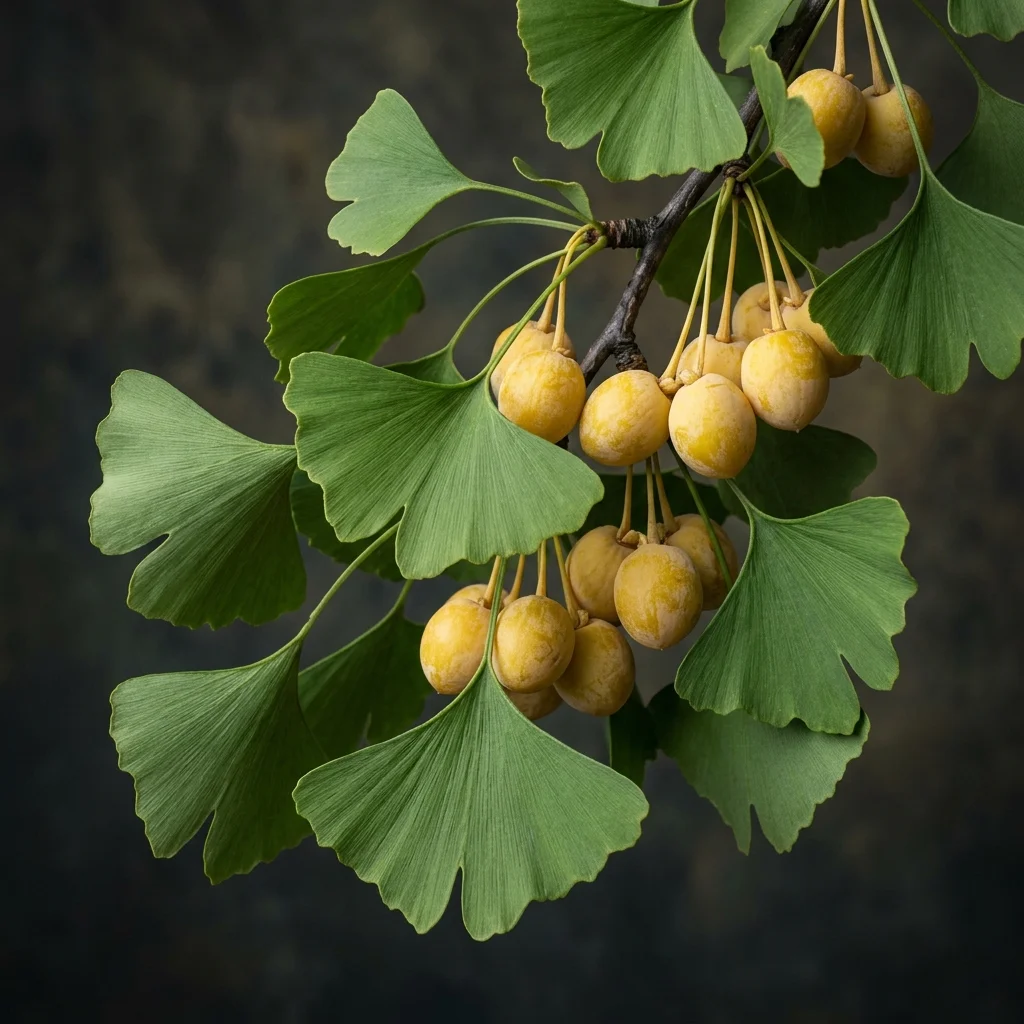
How to Identify Ginkgo
Identify Ginkgo immediately by its highly distinct biological features. Native to its specific ecosystem, it showcases spectacular foliage and structural habits optimized for its environment.
-
✓
Distinctive Features: Elegant fan-shaped leaves with unique parallel veins, and golden-yellow cherry-like seeds on female trees in autumn.
-
✓
Typical Coloration: Soft bright green foliage in summer, changing to a spectacular, glowing golden-yellow in autumn.
-
✓
Potential Confusions: Completely unique; cannot be confused with any other tree on Earth due to its ancient fan-shaped foliage.
11-Step Professional Care & Planting Guide
Frequently Asked Questions
Why is Ginkgo called a living fossil?
Because it is the only surviving species of the Ginkgophyta, an ancient order of plants that thrived 270 million years ago, predating the dinosaurs.
Why do fallen Ginkgo fruits smell bad?
The fleshy outer coat of fallen seeds contains butyric acid, which smells like rancid butter or vomit. Plant male grafted clones to avoid this.
Is the Ginkgo safe for pets?
The leaves are safe, but the fallen golden seeds (fruits) are toxic to dogs and cats if eaten. Keep pets away from fruiting female trees.
How tough is the Ginkgo tree?
It is virtually indestructible! It is highly resistant to air pollution, road salt, heavy pruning, pests, and even severe radiation.