Golden Rain Tree Care & Identification Guide
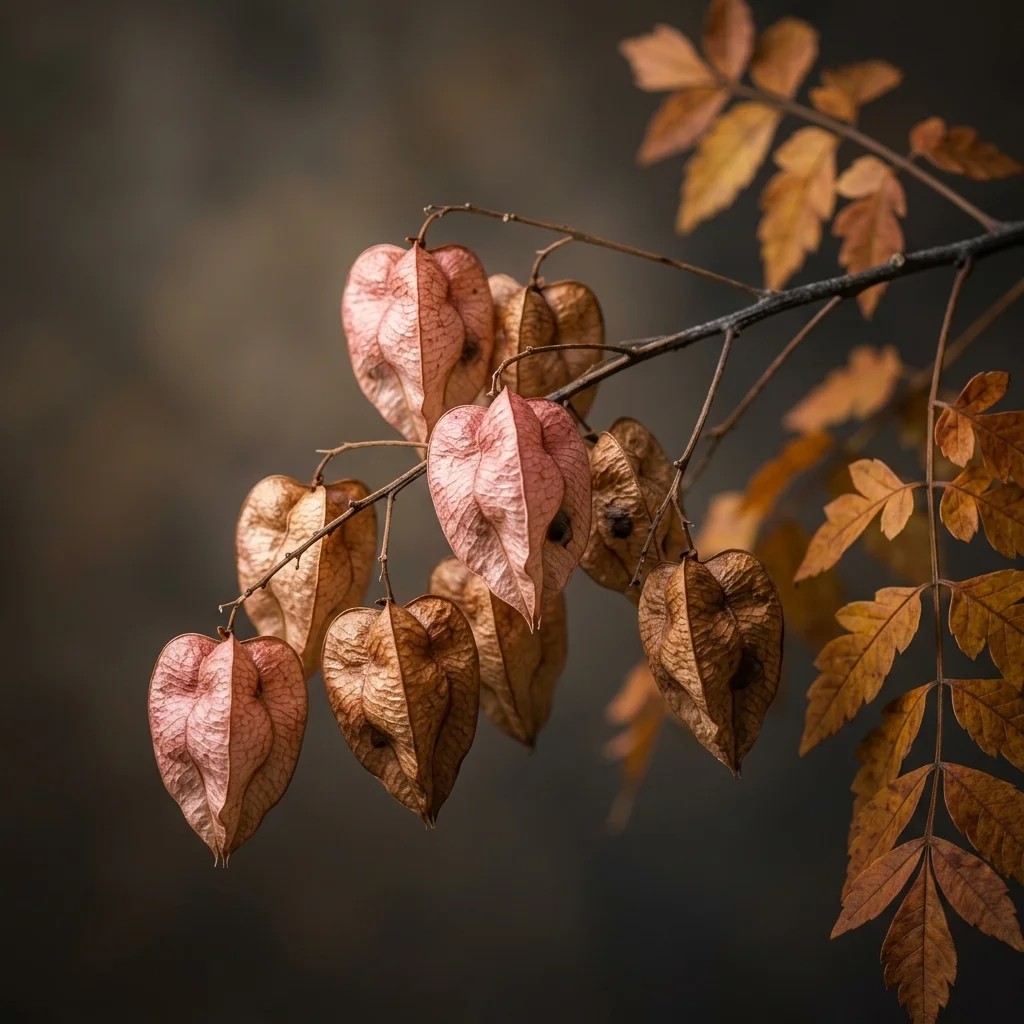
The magnificent Golden Rain Tree (Koelreuteria paniculata) is a highly spectacular deciduous native of East Asia, celebrated globally for its erect, large panicles of bright yellow flowers that shower down in summer like golden rain. Following this showy bloom, it produces unique, papery three-sided lantern-like seed pods that turn beautiful shades of rose-pink and copper-bronze. It requires well-drained loam, full direct sun, and moderate watering.





How to Identify Golden Rain Tree
Identify Golden Rain Tree immediately by its highly distinct biological features. Native to its specific ecosystem, it showcases spectacular foliage and structural habits optimized for its environment.
-
✓
Distinctive Features: Erect panicles of bright golden-yellow flowers, papery three-sided lantern-like rose-pink seed pods, and pinnate green leaves.
-
✓
Typical Coloration: Golden-yellow summer flowers, rose-pink to bronze lantern fruits, green foliage, and a golden-orange display in autumn.
-
✓
Potential Confusions: Incredibly unique lantern-like seed pods make it virtually impossible to confuse with other landscape trees.
11-Step Professional Care & Planting Guide
Frequently Asked Questions
Why is it called the Golden Rain Tree?
Because of its flowers! In mid-summer, the tree produces massive erect clusters of small yellow blossoms. As they finish blooming, the petals fall to the ground in a beautiful golden shower, resembling golden rain.
Is the Golden Rain Tree safe for domestic pets?
Yes, Koelreuteria paniculata is completely non-toxic and pet-safe for cats and dogs.
What are those pink paper lanterns?
They are the seed pods! The tree produces papery, three-sided hollow capsule fruits that look exactly like miniature Chinese lanterns, starting green, turning rose-pink, and eventually drying to a rustic bronze.
Is it highly drought-tolerant?
Yes! Once established, its deep root system makes it exceptionally drought-resistant, allowing it to thrive in tough, compacted urban clay soils where other trees fail.