Celtis occidentalis

Common Hackberry Care & Identification Guide

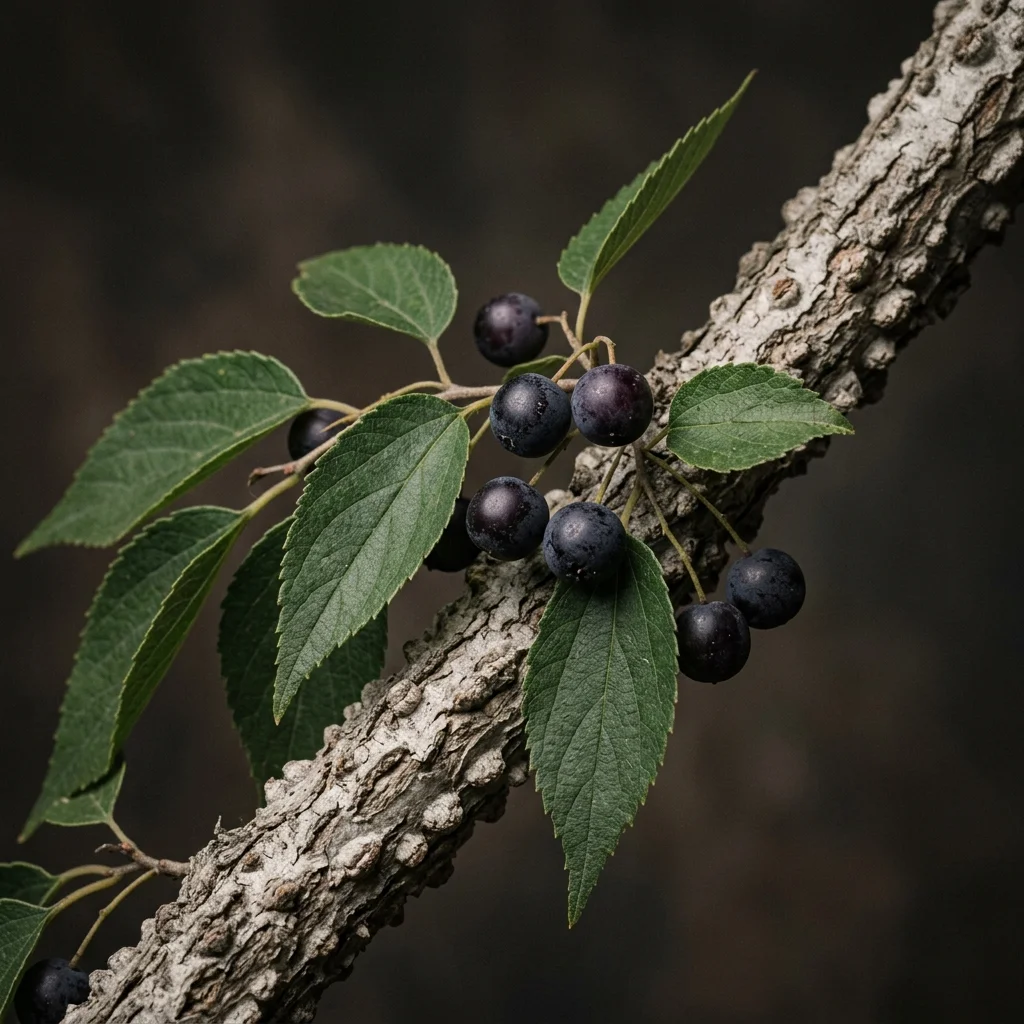
The magnificent Common Hackberry (Celtis occidentalis) is a highly resilient deciduous native of North America, celebrated globally for its tough-as-nails nature and its unique, highly decorative corky light grey bark that features prominent, deeply furrowed wart-like ridges. It produces simple, asymmetrical leaves with sharply serrate margins, and tiny, round, dark purple drupe berries that are exceptionally sweet and a vital food source for winter birds. It requires well-drained loam, full direct sun, and moderate watering.


Sunlight Icon
Sunlight Full Sun
Watering Icon
Watering Moderate
Soil Mix Icon
Soil Mix Well-drained Loam
Temperature Icon
Temperature -35°C to 30°C
Toxicity Warning Icon
Toxicity Non-toxic
Botanical photography of Common Hackberry (Celtis occidentalis) - Plant AI care database

How to Identify Common Hackberry

Identify Common Hackberry immediately by its highly distinct biological features. Native to its specific ecosystem, it showcases spectacular foliage and structural habits optimized for its environment.

  • Distinctive Features: Unique corky, wart-like bark ridges, asymmetrical leaves with prominent three-veined bases, and small round dark purple drupe berries.
  • Typical Coloration: Bright green foliage turning butter-yellow in autumn, purple-black drupe berries, and light grey bark.
  • Potential Confusions: Often confused with American Elm, but instantly distinguished by its unique corky wart-like bark and small round purple berries (Elm has flat papery winged samaras).

11-Step Professional Care & Planting Guide

💧 【Watering & Moisture】 Water moderately. Prefers moist soils but boasts outstanding drought-tolerance once established. Can survive extended periods of dry soil.

☀️ 【Sunlight & Exposure】 Requires full direct sun. Loves bright, open lawns; tolerates harsh urban conditions, heavy winds, and heat beautifully.

🪴 【Ideal Soil Mix】 Extremely adaptable! Thrives in dry clay, rocky limestone soils, or fertile sandy loam. Optimal performance in well-drained loam (pH 6.0-8.0).

🌡️ 【Temperature & Winter Care】 Cold-hardy (USDA Zone 3-9). Robustly tolerates freezing winter winds. Apply compost mulch to insulate soil moisture.

✂ 【Pruning & Grooming】 Prune in late winter during dormancy to remove weak crotches and crossing limbs. Maintain its natural, broad rounded crown.

🧪 【Fertilization】 Feed in early spring with a slow-release organic balanced fertilizer. Mulch the root zone to suppress weeds.

🏺 【Potting & Garden Planting】 Plant in spacious lawns. Dig a wide hole twice the root ball, backfill, pack soil firmly, and water deeply to settle roots.

🌱 【Propagation】 Propagated by sowing seeds in autumn, which require 60-90 days of cold stratification, or by taking semi-hardwood cuttings.

🐛 【Common Pests】 Watch for Hackberry nipple gall psyllids, which cause harmless bumps on the leaf undersides. Treat with organic neem oil.

🦠 【Common Diseases】 Susceptible to witches' broom (harmless twig crowding caused by powdery mildew and mites). Ensure superior drainage.

🎓 【Botanist Advice】 The wart-like corky bark ridges are a fantastic geological texture! The sweet purple drupe berries are fully edible and were a staple energy food for Native Americans.

Frequently Asked Questions

Q: Are Hackberry berries edible?

A: Yes! The tiny purple drupe berries are edible, containing a thin, sweet outer skin surrounding a hard seed. They are a beloved food source for wild birds.

Q: Is the Common Hackberry safe for pets?

A: Yes, Celtis occidentalis is completely non-toxic and pet-safe for cats and dogs.

Q: What are the bumps on the leaves?

A: These are nipple galls! They are harmless leaf formations caused by tiny insects called psyllids. They do not damage the tree's health and are purely cosmetic.

Q: Can I grow it as a street tree?

A: Yes! Because of its immense resilience to wind, air pollution, drought, and alkaline soils, it is a premier street tree choice for tough urban spaces.

Is your Common Hackberry showing yellow or dry leaves?

Don't let rot or scale pests kill your trees. Upload a photo now to get an instant AI botanical diagnosis and save your forest today!

Diagnose Common Hackberry Now