Honey Locust Care & Identification Guide
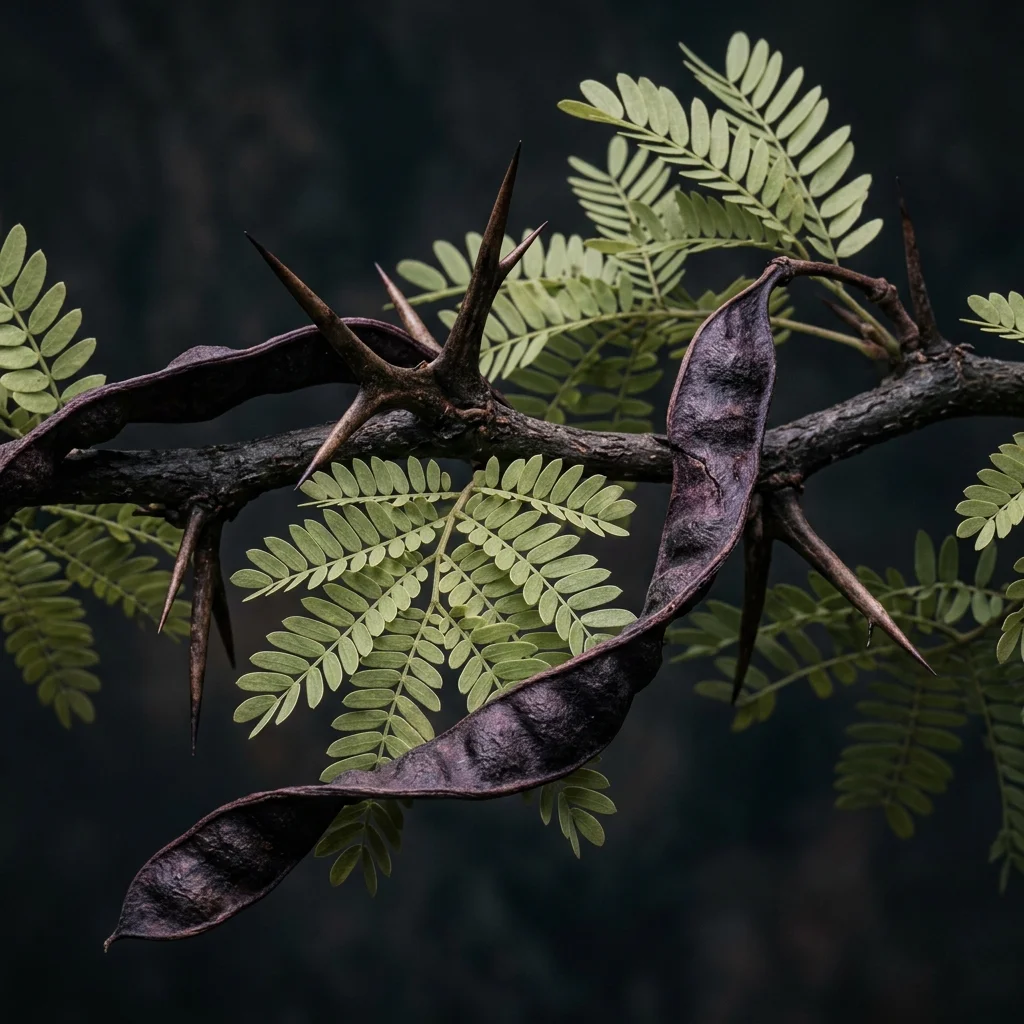
The magnificent Honey Locust (Gleditsia triacanthos) is a highly spectacular deciduous tree native to central North America, celebrated globally for its delicate, lacy, fern-like pinnate and bipinnate foliage that casts soft, dappled shade. Wild varieties boast ferocious, multi-branched, steel-hard thorns up to 12 inches long growing on the trunk and branches. It produces massive, twisted, dark purple-brown flat seed pods filled with sweet, honey-like pulp. Note: Landscapers almost exclusively plant the thornless, podless variety (var. inermis). It requires sandy loam, full sun, and moderate watering.




How to Identify Honey Locust
Identify Honey Locust immediately by its highly distinct biological features. Native to its specific ecosystem, it showcases spectacular foliage and structural habits optimized for its environment.
-
✓
Distinctive Features: Lacy, fern-like pinnate/bipinnate leaves, massive twisted dark brown leather-like seed pods, and (in wild specimens) highly ferocious multi-branched thorns.
-
✓
Typical Coloration: Light bright green summer foliage turning a spectacular glowing golden-yellow in autumn, and dark grey-black scaly bark plates.
-
✓
Potential Confusions: Often confused with Black Locust (Robinia pseudoacacia), but distinguished by its much smaller, narrower leaflets, and massive twisted pods (Black Locust has smaller, flat, straight papery pods).
11-Step Professional Care & Planting Guide
Frequently Asked Questions
Are the seed pods edible?
Yes, the sweet, honey-like pulp inside the young pods is edible and was historically used by Native Americans as a sweet treat, but the mature seeds are hard and bitter.
Are Honey Locust trees safe for pets?
Yes, Gleditsia triacanthos is completely non-toxic and pet-safe for cats and dogs.
How do I tell Honey Locust apart from Black Locust?
Look at the leaves and pods! Honey Locust has much smaller, delicate leaflets (often bipinnate) and massive twisted seed pods (12-18 inches long). Black Locust has larger round leaflets and small papery straight pods.
Does the shade from Honey Locust kill grass?
No! Unlike dense maples, the Honey Locust has exceptionally delicate, lacy leaflets that cast soft, dappled light, allowing turf grass to grow successfully beneath its canopy.