Italian Stone Pine Care & Identification Guide
The magnificent Italian Stone Pine (Pinus pinea), also known as the Umbrella Pine, is a highly spectacular evergreen conifer native to the Mediterranean coast, celebrated globally for its unique, picturesque umbrella-shaped canopy and its delicious edible pine nuts. Growing a tall, single trunk that branches out at the top into a broad, flat dome, it defines the coastal landscape of Italy. Uniquely robust, it requires gritty, fast-draining sandy soil, full direct sun, and very little watering.





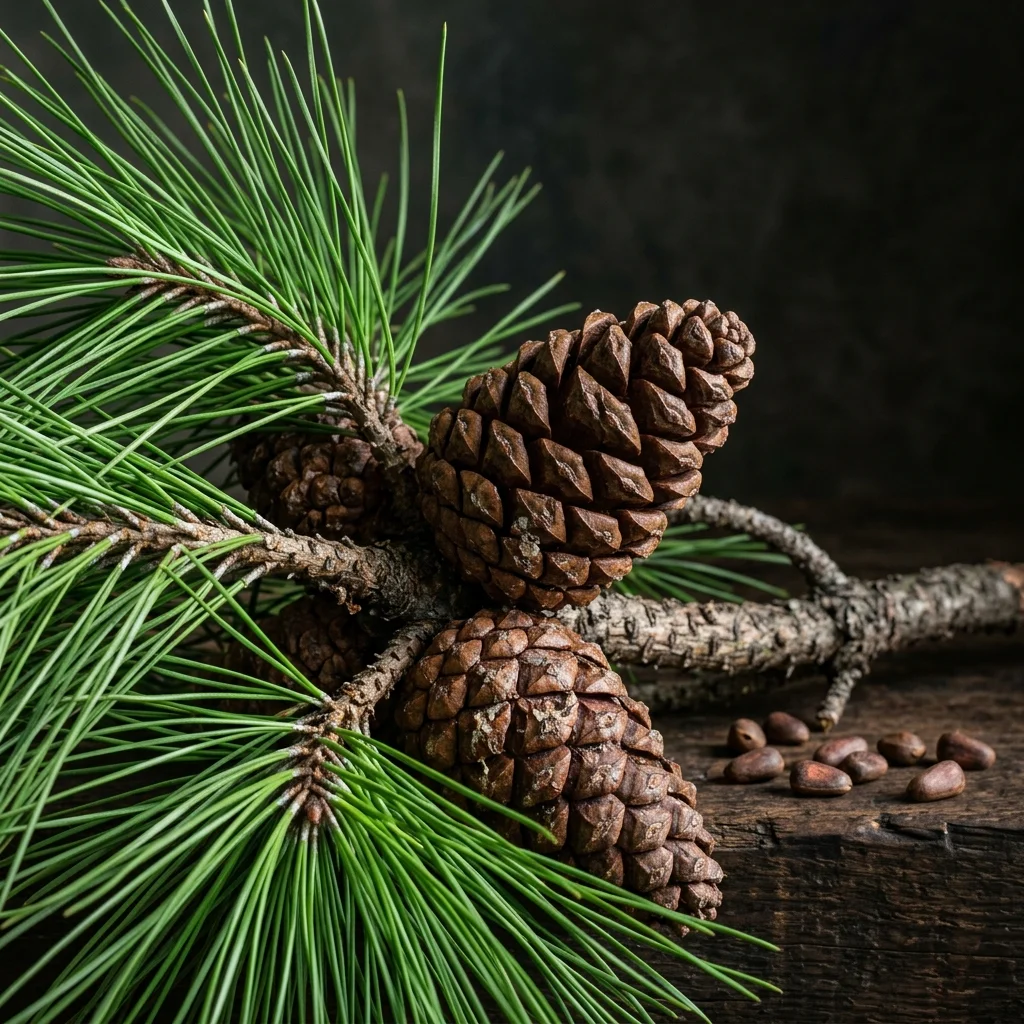
How to Identify Italian Stone Pine
Identify Italian Stone Pine immediately by its highly distinct biological features. Native to its specific ecosystem, it showcases spectacular foliage and structural habits optimized for its environment.
-
✓
Distinctive Features: Picturesque broad, flat-topped umbrella canopy, with thick orange-grey bark and large egg-shaped cones containing edible nuts.
-
✓
Typical Coloration: Bright lively green foliage, with deeply furrowed thick bark showing grey, reddish, and orange plates.
-
✓
Potential Confusions: Similar to Aleppo Pine, but easily distinguished by its massive umbrella-like canopy and large, heavy pine nut cones.
11-Step Professional Care & Planting Guide
Frequently Asked Questions
What are pine nuts and where do they come from?
They are edible, high-protein kernels harvested from the large, heavy cones of Pinus pinea. They are the key ingredient in Mediterranean gourmet pesto.
Why is it called the Umbrella Pine?
Because of its canopy shape! As the tree matures, it loses lower branches and forms a magnificent, wide, flat-topped dome resembling a green umbrella.
Is the Italian Stone Pine safe for pets?
Yes, Pinus pinea is completely non-toxic and pet-safe for cats and dogs.
How long does it take for cones to produce pine nuts?
It takes patience! The massive cones take 3 full years to mature on the tree before they open in warm sun to release the pine nuts.