Japanese Cedar Care & Identification Guide
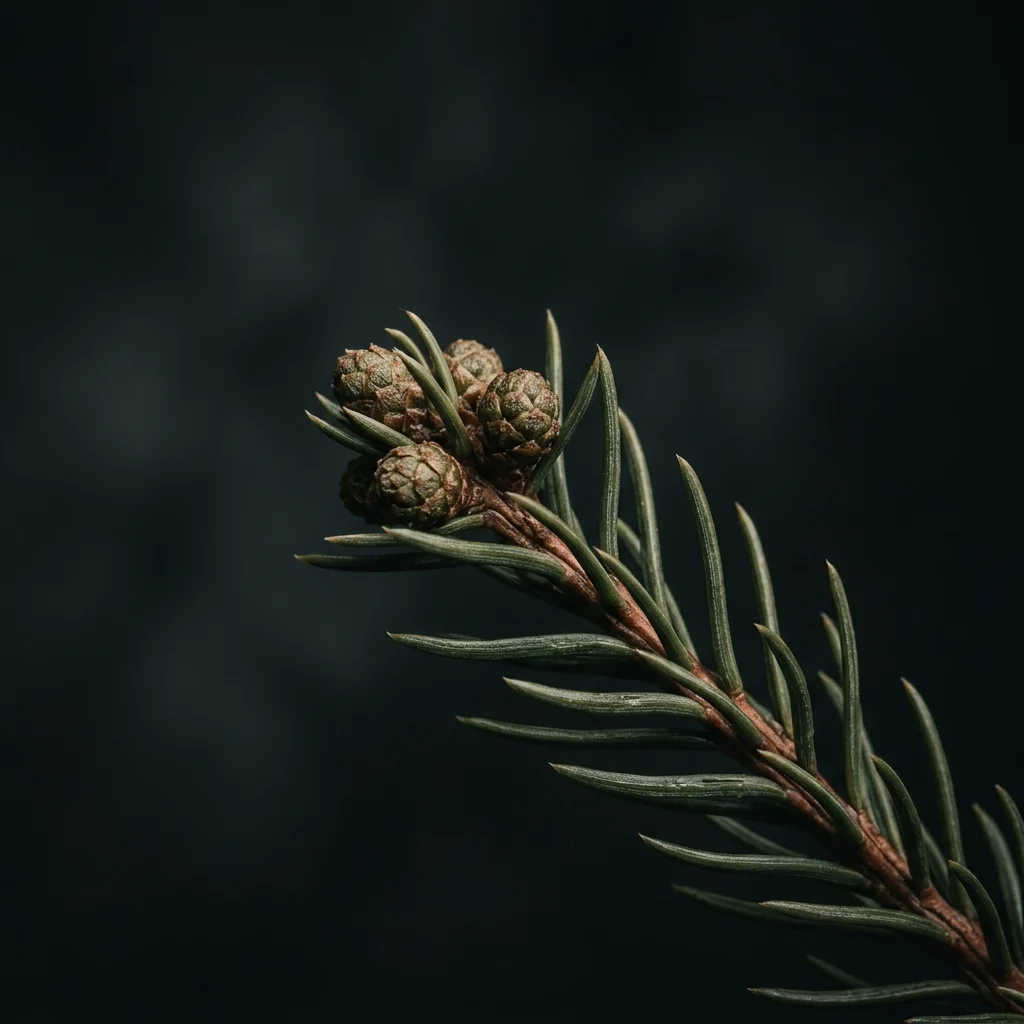
The magnificent Japanese Cedar (Cryptomeria japonica), also known as Sugi in Japan, is a colossal and highly spectacular evergreen conifer native to Japan, celebrated globally for its straight, towering trunk, elegant conical canopy, and prized decay-resistant timber. It features small, awl-shaped, bright green needles arranged spirally around the twigs, and attractive reddish-brown bark that peels off in long vertical strips. It is the national tree of Japan. It requires moist, rich, well-draining soil, full sun, and moderate watering.





How to Identify Japanese Cedar
Identify Japanese Cedar immediately by its highly distinct biological features. Native to its specific ecosystem, it showcases spectacular foliage and structural habits optimized for its environment.
-
✓
Distinctive Features: Towering straight trunk with peeling reddish-brown bark, awl-shaped needle leaves spirally arranged, and small globular cones at branch tips.
-
✓
Typical Coloration: Bright vivid green summer foliage turning bronze-green in winter, and attractive peeling reddish bark.
-
✓
Potential Confusions: Similar to Giant Sequoia, but distinguished by its softer needles, smaller mature scale, and Japanese native heritage (Sequoia is native to California).
11-Step Professional Care & Planting Guide
Frequently Asked Questions
What does Sugi mean?
Sugi is the Japanese name for Cryptomeria japonica! It is highly revered in Japan, representing longevity and strength, and its highly aromatic wood is prized for building traditional houses and sake barrels.
Is the Japanese Cedar safe for pets?
Yes, Cryptomeria japonica is completely non-toxic and pet-safe for cats and dogs.
Why is the bark peeling off in strips?
This is a natural bark characteristic! The attractive reddish-brown bark exfoliates naturally in long vertical ribbons, which is a key botanical identification feature.
How tall can it grow?
It can grow colossal! Sugi trees can easily reach heights of 100 to 150 feet in their native mountain forests, though dwarf garden cultivars stay under 10-20 feet.