Japanese Maple Care & Identification Guide
The magnificent Japanese Maple (Acer palmatum) is a highly spectacular deciduous small tree or large shrub native to Japan, celebrated globally for its delicate, deeply lobed palmate leaves, compact form, and sculptural branches. It represents the height of horticultural elegance, widely featured as a focal specimen in luxury gardens and bonsai art. It requires morning sunlight paired with afternoon dappled shade, consistent moisture, and highly porous acidic soil to prevent leaf scorch.





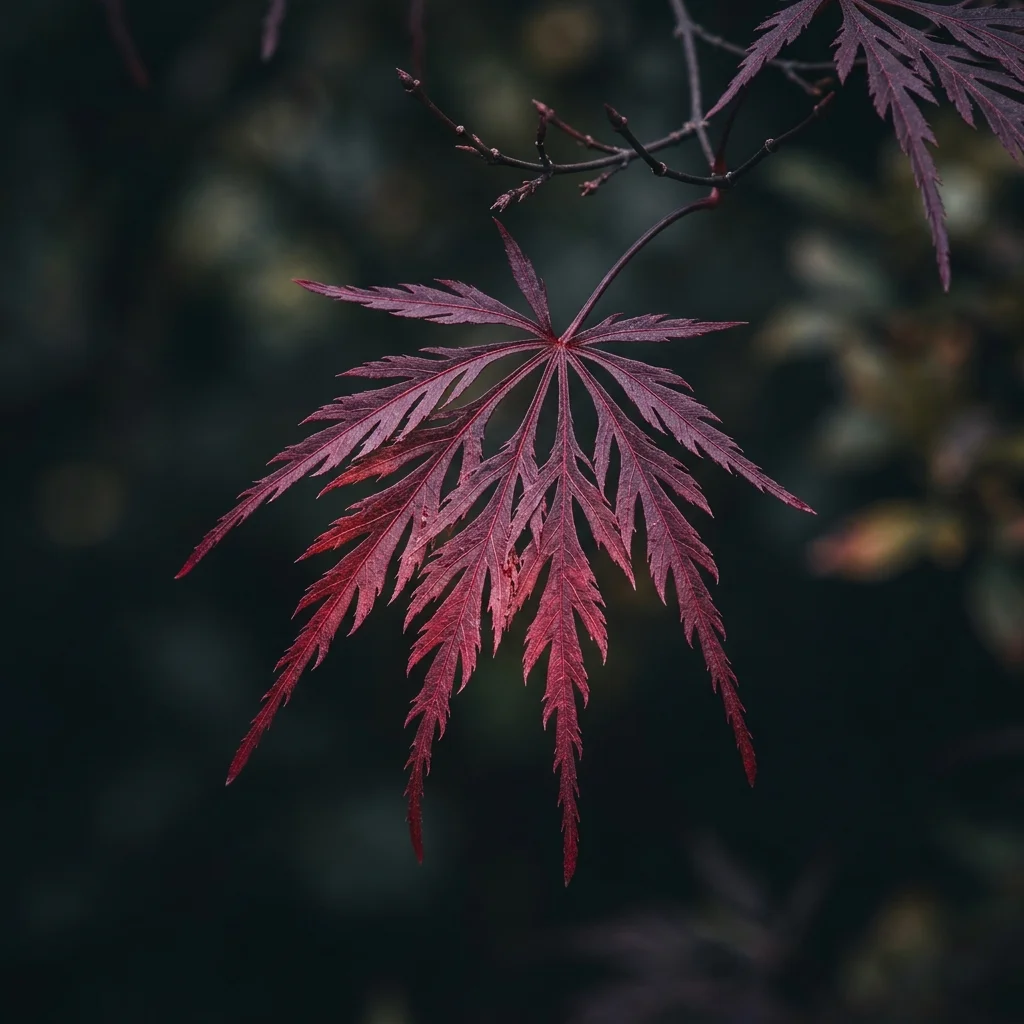
How to Identify Japanese Maple
Identify Japanese Maple immediately by its highly distinct biological features. Native to its specific ecosystem, it showcases spectacular foliage and structural habits optimized for its environment.
-
✓
Distinctive Features: Delicate, deeply cut 5-9 lobed palmate leaves with sharply double-toothed margins, a compact dome-like habit, and elegant sculptural branches.
-
✓
Typical Coloration: Rich green, deep purple, or pinkish summer foliage, turning to an incredibly brilliant orange, amber-gold, and fiery crimson in autumn.
-
✓
Potential Confusions: Similar to Amur Maple, but Japanese Maple leaves are much more deeply and delicately lobed, with lobes radiating from a single central point.
11-Step Professional Care & Planting Guide
Frequently Asked Questions
Why are my Japanese Maple leaves turning brown and crispy?
This is leaf scorch! It is caused by hot afternoon sun, dry summer winds, or insufficient watering. Move potted plants to dappled shade, water deeply, and shelter from wind.
Is the Japanese Maple safe for household pets?
Yes, Acer palmatum is completely non-toxic and pet-safe for cats and dogs.
Can I grow a Japanese Maple in a container?
Absolutely! Because of its slow growth and compact, fibrous root system, it is a premier choice for premium pots, patios, and courtyard gardens.
Why did my purple Japanese Maple turn green in summer?
This is usually caused by too much shade or excessive nitrogen fertilizer! The tree produces more chlorophyll to capture light, hiding its rich purple anthocyanin pigments.