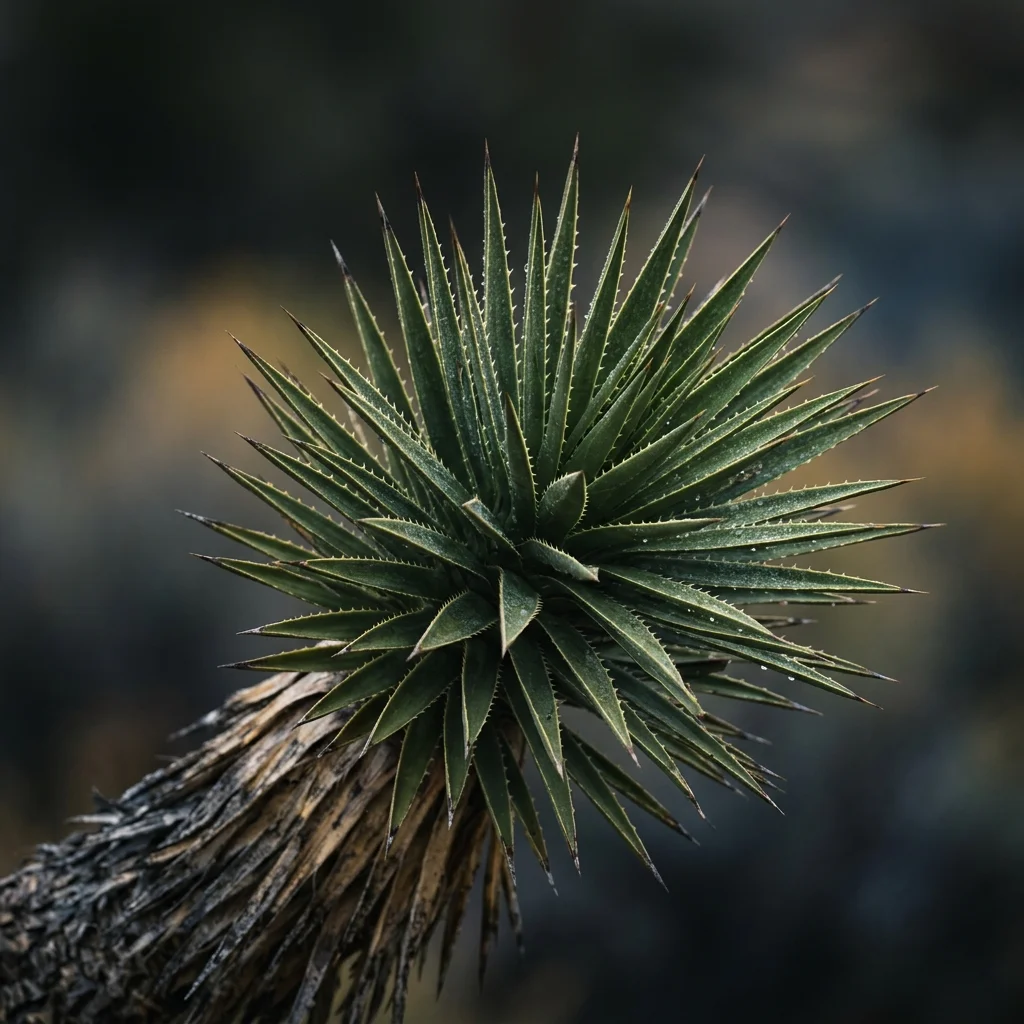
Yucca brevifolia

Joshua Tree Care & Identification Guide

The magnificent Joshua Tree (Yucca brevifolia) is a spectacular and long-lived desert monocot tree native strictly to the Mojave Desert of the American Southwest, celebrated globally for its gnarled, twisted branches tipped with dense, spiky rosettes of dagger-like leaves. It grows extremely slowly and is famously dependent on the Pronuba moth for its sole pollination. It requires desert sandy mineral grit, full sun, and extremely dry conditions.


Sunlight Icon
Sunlight Full Sun
Watering Icon
Watering Low
Soil Mix Icon
Soil Mix Desert Sandy Mineral Grit
Temperature Icon
Temperature -12°C to 45°C
Toxicity Warning Icon
Toxicity Toxic to pets (contains saponins)
Botanical photography of Joshua Tree (Yucca brevifolia) - Plant AI care database

How to Identify Joshua Tree

Identify Joshua Tree immediately by its highly distinct biological features. Native to its specific ecosystem, it showcases spectacular foliage and structural habits optimized for its environment.

  • Distinctive Features: Gnarled twisted branching habit, fibrous scaly trunk, and stiff, spiky dagger-like dark green leaves clustering in dense terminal rosettes.
  • Typical Coloration: Spiky dark green needles with finely serrated yellow margins, and shaggy scaly greyish-brown trunk bark.
  • Potential Confusions: Similar to Mojave Yucca (Yucca schidigera), but easily distinguished by its highly branched, tree-like habit and much shorter, stiffer leaves (Mojave Yucca has longer, wider leaves with curling white fibers along margins).

11-Step Professional Care & Planting Guide

💧 【Watering & Moisture】 Water sparingly! Adapted to extreme desert drought. Young trees can be watered once a month during summer; mature trees require practically zero watering.

☀️ 【Sunlight & Exposure】 Requires absolute full direct sun. Needs intense desert heat and sun; highly shade-intolerant, lower branches will fail in shady spots.

🪴 【Ideal Soil Mix】 Requires exceptionally poor, gritty, highly draining desert mineral sand. Blend 60% coarse sand, 30% granite grit, and 10% lean loam (pH 6.5-8.0).

🌡️ 【Temperature & Winter Care】 Cold-hardy desert tree (USDA Zone 6-10). Can tolerate winter freezing down to -12°C. Dislikes high humidity and wet clay.

✂ 【Pruning & Grooming】 Minimal pruning needed. Let its gnarled, twisted branches grow naturally. Dead leaves will naturally dry out and form a protective shag around trunk.

🧪 【Fertilization】 Require no chemical fertilizer. A light application of volcanic rock dust once in spring is sufficient. High nitrogen is highly toxic.

🏺 【Potting & Garden Planting】 Highly popular container tree for desert patio displays. Use coarse sand and ensure drainage holes are exceptionally large.

🌱 【Propagation】 Propagated by sowing seeds in spring under warm temperatures, or by taking stem cuttings allowed to dry and callus for weeks.

🐛 【Common Pests】 Watch out for yucca weevils and scale insects. Spray with organic neem oil or swab manually with alcohol.

🦠 【Common Diseases】 Highly susceptible to root rot and crown rot in damp clay soils. Ensure outstanding desert drainage and keep dry.

🎓 【Botanist Advice】 **Evolutionary Bond:** The Joshua Tree is completely dependent on a single insect—the **Yucca Moth** (Pronuba)—for its survival! No other insect can pollinate its flowers, and the moth larvae feed exclusively on the developing seeds.

Frequently Asked Questions

Q: Why is it called the Joshua Tree?

A: It has historical legend! The name was given by Mormon pioneers in the 19th century who crossed the Mojave Desert; the tree's unique gnarled, reaching branches reminded them of the biblical figure Joshua raising his arms in prayer to guide them.

Q: Is the Joshua Tree toxic to dogs and cats?

A: Yes, *Yucca brevifolia* contains toxic **Saponins**, which cause severe vomiting, drooling, diarrhea, dilated pupils, and coordinate loss in pets if chewed.

Q: How slow does it grow?

A: It grows incredibly slowly! A Joshua Tree typically grows at a rate of only **2 to 3 inches (5-7 cm) per year**, and it can take up to 60 years to produce its first branch.

Q: Can I plant it in a wet lawn?

A: No, it will die rapidly! Planting a Joshua Tree in a regularly watered turf lawn will cause the roots to rot and collapse within a few months. It must have strictly dry desert grit.

Is your Joshua Tree showing yellow or dry leaves?

Don't let rot or scale pests kill your trees. Upload a photo now to get an instant AI botanical diagnosis and save your forest today!

Diagnose Joshua Tree Now