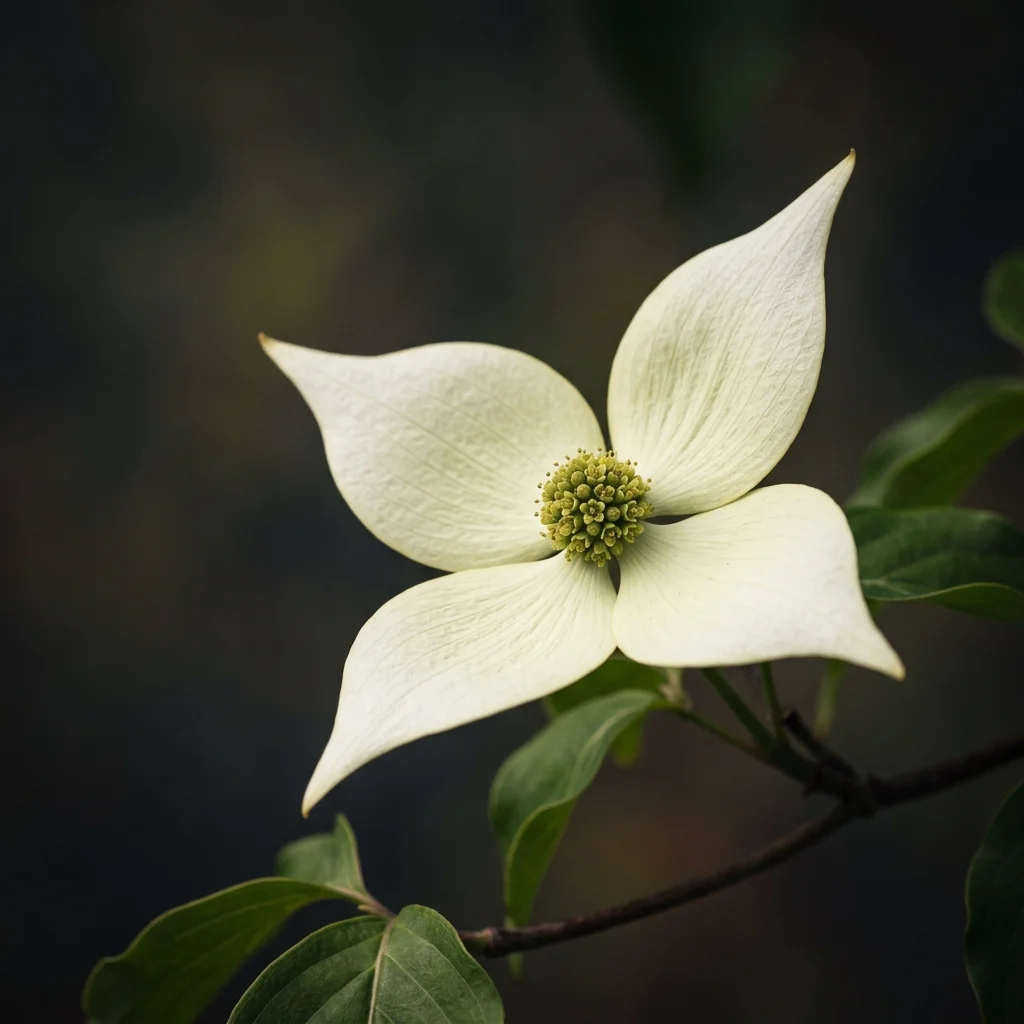
Cornus kousa

Kousa Dogwood Care & Identification Guide

The magnificent Kousa Dogwood (Cornus kousa), also known as the Japanese Dogwood, is a highly spectacular deciduous small tree native to East Asia, celebrated globally for its sharply pointed, cream-white spring bracts and superior resistance to disease. It blooms in late spring after its leaves have fully expanded, and produces unique pinkish-red, raspberry-like edible fruits in summer. Its bark flakes off in beautiful camouflage patches. It requires organic acidic soil, partial shade, and moderate watering.


Sunlight Icon
Sunlight Morning Sun & Afternoon Shade
Watering Icon
Watering Moderate
Soil Mix Icon
Soil Mix Acidic Loam
Temperature Icon
Temperature -25°C to 28°C
Toxicity Warning Icon
Toxicity Non-toxic
Botanical photography of Kousa Dogwood (Cornus kousa) - Plant AI care database

How to Identify Kousa Dogwood

Identify Kousa Dogwood immediately by its highly distinct biological features. Native to its specific ecosystem, it showcases spectacular foliage and structural habits optimized for its environment.

  • Distinctive Features: Sharply pointed, tapered cream-white bracts (without notches) blooming after leaves expand, peeling puzzle-patterned bark, and raspberry-like pink fruits.
  • Typical Coloration: Rich green leaves, cream-white bracts, pinkish-red summer fruits, and a spectacular copper-red or deep purple autumn display.
  • Potential Confusions: Similar to Flowering Dogwood, but distinguished by its sharply pointed, non-notched bract tips and late spring blooming.

11-Step Professional Care & Planting Guide

💧 【Watering & Moisture】 Water moderately. Keep soil consistently moist but never soggy. Excellent drought-tolerance once established; irrigate deeply once a week during dry spells.

☀️ 【Sunlight & Exposure】 Thrives in morning sun with dappled afternoon shade. Can tolerate more direct sun than Flowering Dogwood in northern zones.

🪴 【Ideal Soil Mix】 Prefers deep, rich, organic, well-draining acidic soil. Blend 50% organic loam, 30% organic peat moss, and 20% coarse sand (pH 5.5-6.5).

🌡️ 【Temperature & Winter Care】 Cold-hardy (USDA Zone 5-8). Protect the root zone with thick bark mulch. Extremely resilient to cold northern freezes.

✂ 【Pruning & Grooming】 Prune only in late winter to remove crossing branches. Naturally grows a neat, vase-shaped crown that rounds beautifully with age.

🧪 【Fertilization】 Feed in early spring with a slow-release organic acidic fertilizer. Mulch the root zone with composted leaf mold.

🏺 【Potting & Garden Planting】 Plant in well-aerated spots. Dig a hole twice the root ball, backfill with rich organic acidic loam, and apply a 3-inch layer of bark mulch.

🌱 【Propagation】 Propagated by softwood cuttings in early summer, or by seeds requiring 120 days of cold stratification.

🐛 【Common Pests】 Generally highly resistant. Watch occasionally for scale insects or borers. Spray manually with organic neem oil.

🦠 【Common Diseases】 **Superb resistance to Dogwood Anthracnose and powdery mildew!** Highly disease-free, but avoid planting in waterlogged soils.

🎓 【Botanist Advice】 The Kousa Dogwood is the perfect, disease-resistant alternative to the Flowering Dogwood! Its peeling, camouflage bark and edible red raspberry-like fruits make it a spectacular multi-season ornamental.

Frequently Asked Questions

Q: Are the red Kousa Dogwood fruits edible?

A: Yes! The pinkish-red, raspberry-like fruits (stony fruits) are edible. They have a sweet, tropical-flavored custard-like yellow pulp, though the outer skin is tough and gritty.

Q: Is the Kousa Dogwood safe for domestic pets?

A: Yes, Cornus kousa is completely non-toxic and pet-safe for cats and dogs.

Q: Why is it considered superior to the Flowering Dogwood?

A: Because of its health! It has outstanding, natural resistance to the deadly Dogwood Anthracnose fungus and powdery mildew, which frequently kill Flowering Dogwoods.

Q: Why does the bark peel off in patches?

A: This is a natural ornamental feature! As the tree matures, the grey bark flakes off in puzzle-like patches, showing beautiful cream, olive, and orange colors.

Is your Kousa Dogwood showing yellow or dry leaves?

Don't let rot or scale pests kill your trees. Upload a photo now to get an instant AI botanical diagnosis and save your forest today!

Diagnose Kousa Dogwood Now