Leyland Cypress Care & Identification Guide
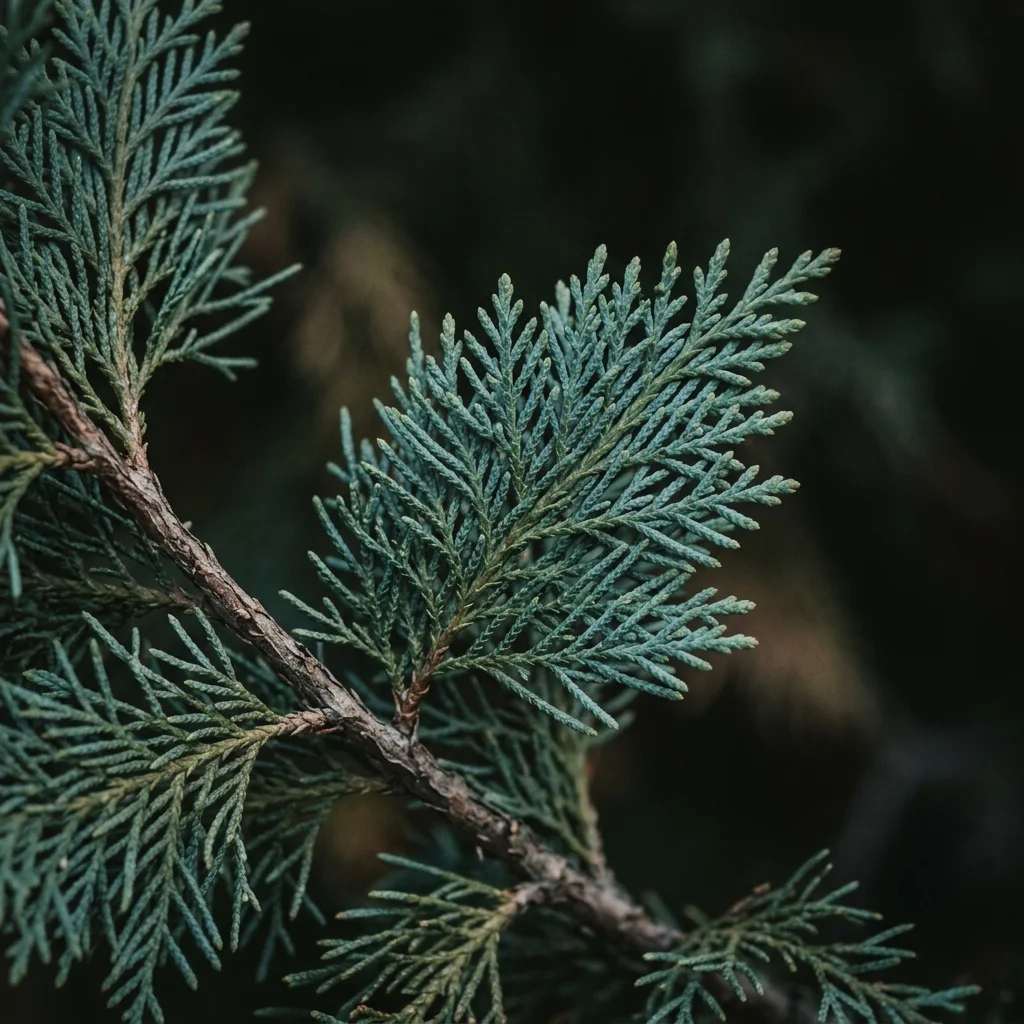
The magnificent Leyland Cypress (Cupressus × leylandii) is a colossal and highly spectacular evergreen hybrid conifer celebrated globally for its rapid growth rate and symmetrical, densely pyramidal crown. Highly popular in landscape design for building thick, lush green privacy screens and tall windbreaks, it features flattened, fan-like sprays of blue-green scale-like foliage that stays dense year-round. It is a sterile hybrid of Monterey Cypress and Nootka Cypress. It requires moist, deeply fertile, well-draining soil, full direct sun to partial shade, and moderate watering.




How to Identify Leyland Cypress
Identify Leyland Cypress immediately by its highly distinct biological features. Native to its specific ecosystem, it showcases spectacular foliage and structural habits optimized for its environment.
-
✓
Distinctive Features: Fast-growing dense pyramidal crown, flat fan-like sprays of soft scale-like blue-green foliage, and smooth reddish-brown peeling bark.
-
✓
Typical Coloration: Soft blue-green to dark emerald foliage year-round, and attractive reddish-brown trunk bark.
-
✓
Potential Confusions: Similar to Arborvitae, but distinguished by its slightly rounder, denser sprays and tiny round cones rather than elongated bell-like cones.
11-Step Professional Care & Planting Guide
Frequently Asked Questions
Why are individual branches turning brown and dying?
This is likely Seiridium Canker! It is a destructive fungal infection that girdles the branches, causing sticky reddish resin to ooze out and foliage to die. Prune away infected limbs immediately.
Is the Leyland Cypress toxic to horses?
Yes, chewing the foliage of Cupressus × leylandii is highly toxic to horses and cattle, causing severe colic and potential liver damage, and the sap causes dermatitis in dogs.
How close should I plant them for a privacy hedge?
For a dense privacy screen, space trees 5 to 8 feet apart in a single line, or stagger them in a double row to allow sufficient air circulation and prevent fungal infections.
Why is the interior of my cypress brown?
This is a natural response to lack of light! As the outer canopy grows extremely dense, sunlight cannot reach the interior branches, causing the old inner needles to naturally shed.