Southern Live Oak Care & Identification Guide
The magnificent Southern Live Oak (Quercus virginiana) is a colossal and highly spectacular evergreen oak native to the warm, humid coastal plains of the Southeastern United States, celebrated globally for its wide-spreading, low-hanging limbs and historic grandeur. Unlike deciduous oaks, it retains its thick, leathery leaves throughout the winter, shedding them only in spring as new leaves unfold. It produces small, elongated dark acorns in deep turbinate cups. It requires deep sandy loam, moderate watering, and full sun.





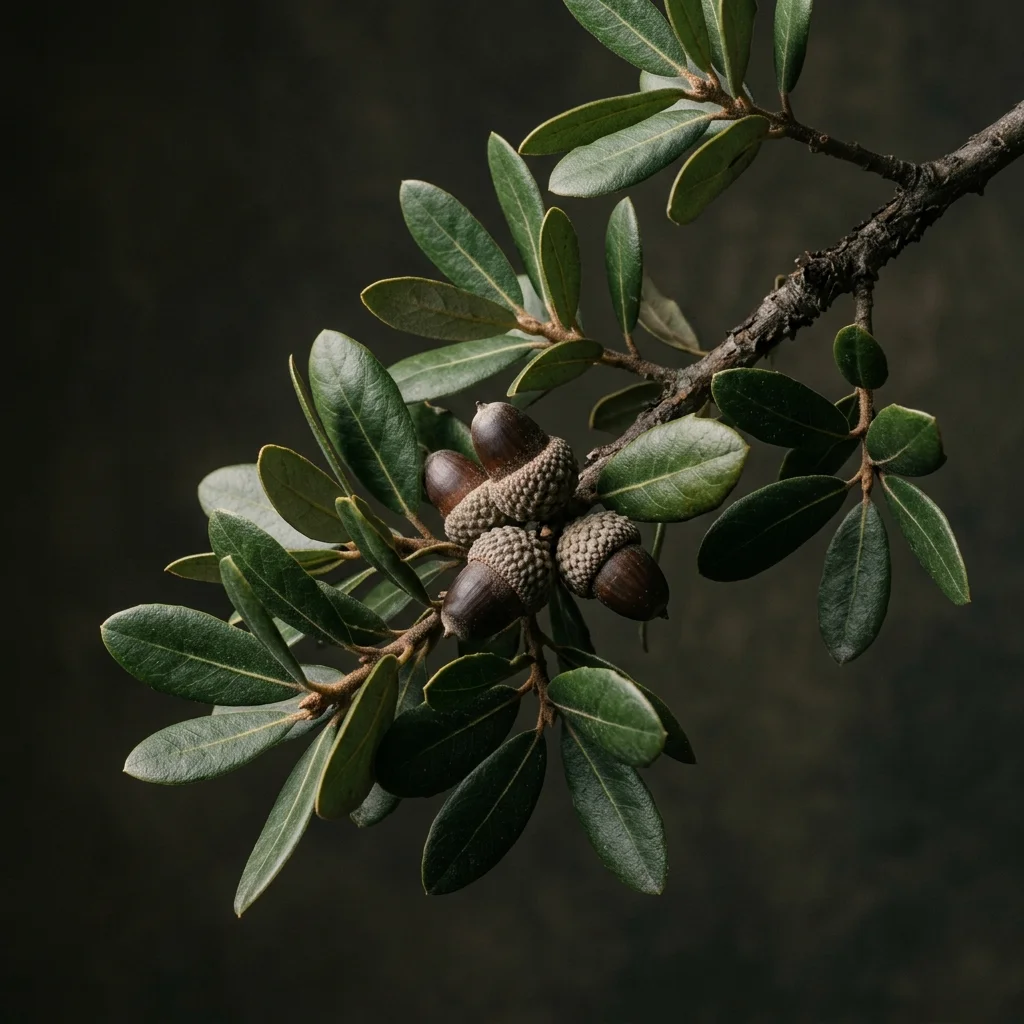
How to Identify Southern Live Oak
Identify Southern Live Oak immediately by its highly distinct biological features. Native to its specific ecosystem, it showcases spectacular foliage and structural habits optimized for its environment.
-
✓
Distinctive Features: Massive horizontal branches spreading up to 100 feet wide, with small, oval, leathery green leaves without any lobes.
-
✓
Typical Coloration: Deep glossy olive-green foliage with pale grey, densely woolly leaf undersides, and blackish furrowed bark.
-
✓
Potential Confusions: Similar to Laurel Oak, but distinguished by its thicker, leathery leaves with slightly rolled-under margins.
11-Step Professional Care & Planting Guide
Frequently Asked Questions
Why is it called the 'Live' Oak?
Because it is evergreen! Unlike deciduous oaks that stand bare in winter, the Southern Live Oak retains its green leaves all year round, appearing 'live'.
Is the Southern Live Oak safe for pets?
Yes, Quercus virginiana is completely non-toxic and pet-safe for cats and dogs.
How wide can a mature Live Oak spread?
They are colossal! While they grow to 50-60 feet tall, their horizontal crown can spread up to 100 to 120 feet wide.
Can Spanish moss harm the Live Oak?
No! Spanish moss is an epiphyte, not a parasite. It simply uses the oak branches for physical support and does not absorb any nutrients from the tree.