West Indian Mahogany Care & Identification Guide
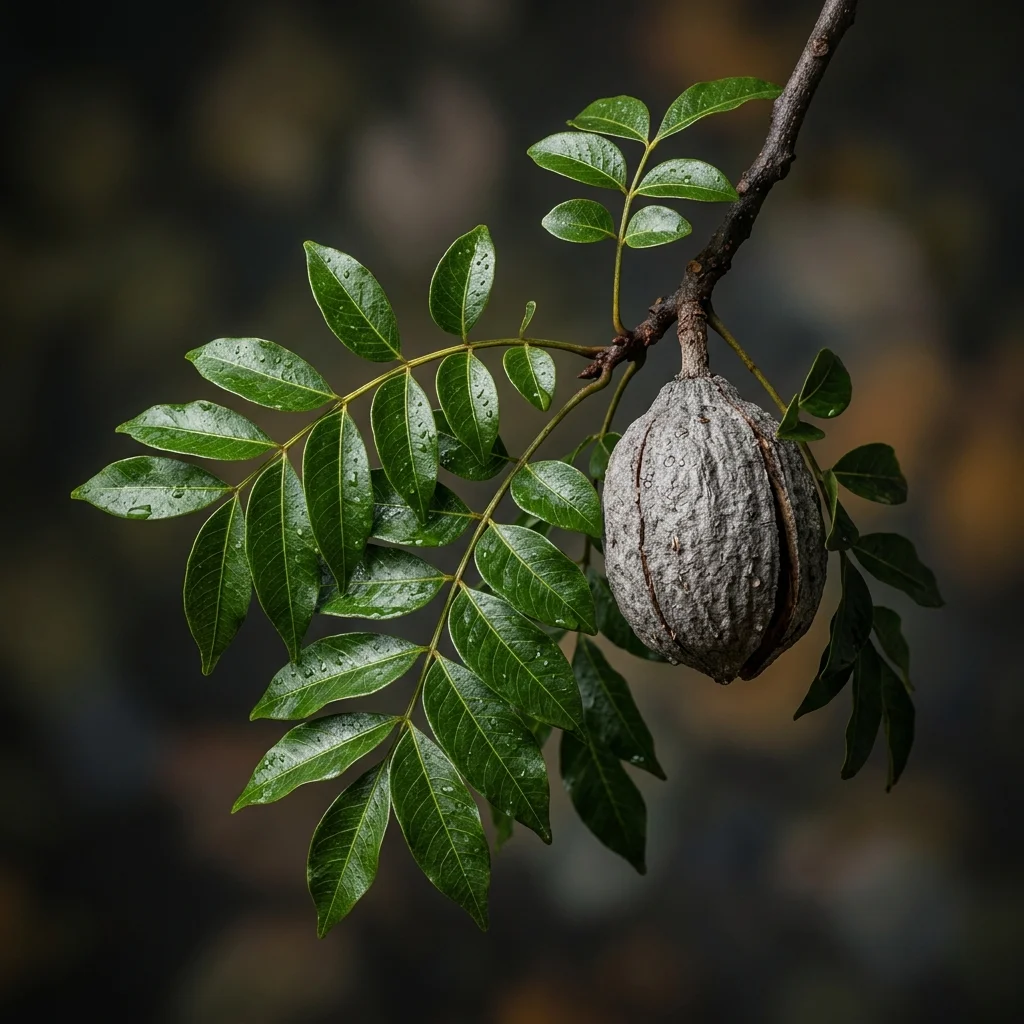
The magnificent West Indian Mahogany (Swietenia mahagoni) is a spectacular and monumental hardwood tree native to the Caribbean and southern Florida, celebrated globally as the original source of the world's finest reddish-brown furniture timber. It features glossy pinnate compound leaves with asymmetric leaflets and produces large, heavy, woody pear-shaped capsule fruits that split open into 5 sections to release winged seeds. It requires rich organic soil, moderate watering, and full direct sun.





How to Identify West Indian Mahogany
Identify West Indian Mahogany immediately by its highly distinct biological features. Native to its specific ecosystem, it showcases spectacular foliage and structural habits optimized for its environment.
-
✓
Distinctive Features: Symmetric spreading rounded canopy, glossy pinnate compound leaves with distinctly asymmetric leaflets, and massive woody pear-shaped capsule fruits.
-
✓
Typical Coloration: Glossy dark green leaves, grey deeply fissured bark, and reddish-brown dense inner wood.
-
✓
Potential Confusions: Similar to Honduras Mahogany (Swietenia macrophylla), but easily distinguished by its significantly smaller leaves and smaller fruit capsules.
11-Step Professional Care & Planting Guide
Frequently Asked Questions
Why is Mahogany wood so highly prized?
It has unmatched quality! Mahogany timber features a gorgeous, deep reddish-brown color, a fine straight grain, exceptional stability (resists warping and shrinking), and superb working properties for carving and polishing.
Is the West Indian Mahogany safe for pets?
Yes, Swietenia mahagoni is completely non-toxic and pet-safe for cats and dogs, making it highly suitable for luxury pet-friendly tropical landscaping.
What is the massive pear-shaped fruit?
It is a Woody Capsule! The heavy, grey pear-shaped fruit is a woody capsule that grows upwards on branches. Upon maturity, it splits from the base into 5 segments, dropping to release dozens of flat, winged seeds that spin like helicopters.
Can it tolerate coastal salt spray?
Yes! West Indian Mahogany has outstanding tolerance to coastal wind and moderate salt spray, making it a premier street and shade tree choice for tropical coastal cities.