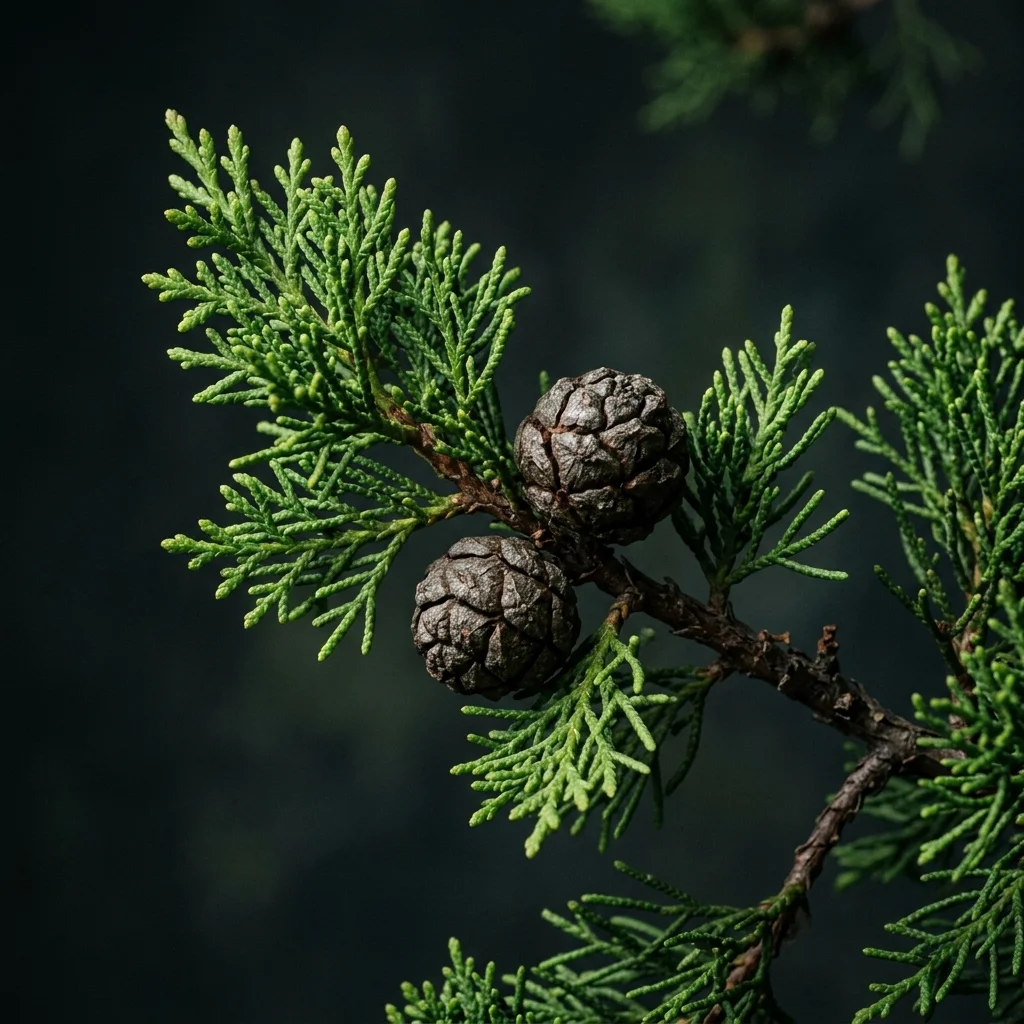
Cupressus macrocarpa

Monterey Cypress Care & Identification Guide

The magnificent Monterey Cypress (Cupressus macrocarpa) is a highly spectacular evergreen conifer native to a tiny, windswept coastal strip in Monterey, California, celebrated globally for its dramatic, wind-sculpted flat-topped crown and aromatic scale-like foliage. When crushed, its bright green needles release an intense, pleasant lemon-citrus fragrance. In youth, it grows rapidly and symmetrically, developing rugged ancient bark in mature age. It requires well-drained sandy loam, full sun, and low watering.


Sunlight Icon
Sunlight Full Sun
Watering Icon
Watering Low to Moderate
Soil Mix Icon
Soil Mix Well-drained Sandy Loam
Temperature Icon
Temperature -10°C to 28°C
Toxicity Warning Icon
Toxicity Non-toxic
Botanical photography of Monterey Cypress (Cupressus macrocarpa) - Plant AI care database

How to Identify Monterey Cypress

Identify Monterey Cypress immediately by its highly distinct biological features. Native to its specific ecosystem, it showcases spectacular foliage and structural habits optimized for its environment.

  • Distinctive Features: Sculpted, flat-topped crown in maturity, bright green scale-like foliage with a distinct lemon fragrance, and small round woody cones.
  • Typical Coloration: Bright vivid green scale foliage, and rugged, deeply furrowed grey-brown bark.
  • Potential Confusions: Similar to Leyland Cypress, but distinguished by its non-flattened, more rounded foliage sprigs and intense lemon fragrance.

11-Step Professional Care & Planting Guide

💧 【Watering & Moisture】 Water sparingly. Highly drought-tolerant once established due to its deep root system. Highly sensitive to wet clay; allow soil to dry out completely between waterings.

☀️ 【Sunlight & Exposure】 Requires full direct sun. Prefers cool, breezy coastal climates with high atmospheric moisture (fog); highly tolerant of ocean wind and salt spray.

🪴 【Ideal Soil Mix】 Requires light, coarse, exceptionally well-draining sandy loam or rocky soil. Blend 50% coarse sand, 30% sandy loam, and 20% organic compost (pH 6.0-7.5).

🌡️ 【Temperature & Winter Care】 Semi-hardy (USDA Zone 7-10). Can tolerate brief winter freezes down to -10°C. Thrives in Mediterranean and mild maritime climates.

✂ 【Pruning & Grooming】 Minimal pruning required. Prune lightly in late summer to shape or remove dead wood. Let its mature flat-topped crown wind-sculpt naturally.

🧪 【Fertilization】 Apply a slow-release organic balanced fertilizer once in early spring. Mulch with coarse wood chips to keep roots cool and preserve moisture.

🏺 【Potting & Garden Planting】 Plant in highly visible, breezy garden spots. Dig a wide hole twice the root ball, backfill with gritty sandy loam, and water deeply.

🌱 【Propagation】 Propagated easily by sowing seeds in spring after 30 days of cold stratification, or by taking softwood cuttings in early summer.

🐛 【Common Pests】 Watch for cypress tip moths, scale insects, or spider mites. Spray manually with organic neem oil or insecticidal soap.

🦠 【Common Diseases】 Highly susceptible to Coryneum canker fungus in hot, humid inland areas. Best grown in cool, breezy coastal spots.

🎓 【Botanist Advice】 The intense lemon scent of the needles is a fantastic sensory trait! Scratch the green foliage to release the refreshing citrus aroma, which also acts as a natural insect repellent.

Frequently Asked Questions

Q: Why does Monterey Cypress die in hot, humid inland climates?

A: It is due to Coryneum Canker! This lethal fungus thrives in warm, humid, wind-less inland climates, decimating Monterey Cypress. In its cool, foggy native coastal habitat, the fungus is inactive.

Q: Is Monterey Cypress safe for pets?

A: Yes, Cupressus macrocarpa is completely non-toxic and pet-safe for cats and dogs, although the sap can cause mild contact skin irritation.

Q: What do the cones look like?

A: They are small, woody, globose or oblong cones, about 1-1.5 inches long, composed of 8 to 14 scales, turning greyish-brown and woody when mature.

Q: Can I grow it as a bonsai?

A: Yes! Monterey Cypress is a highly prized bonsai subject globally due to its rapid juvenile growth, aromatic foliage, and ability to be trained into beautiful windswept forms.

Is your Monterey Cypress showing yellow or dry leaves?

Don't let rot or scale pests kill your trees. Upload a photo now to get an instant AI botanical diagnosis and save your forest today!

Diagnose Monterey Cypress Now