Norway Maple Care & Identification Guide
The magnificent Norway Maple (Acer platanoides) is a colossal and highly spectacular deciduous tree native to Europe, celebrated globally for its dense, symmetrical rounded canopy, rapid growth, and extreme resilience to urban pollution. Uniquely, its leaf stems exude a characteristic milky white sap when broken, a key identification feature. However, it has an invasive, shallow root system that outcompetes lawn grasses. It requires well-drained soil, full sun, and moderate watering.

How to Identify Norway Maple
Identify Norway Maple immediately by its highly distinct biological features. Native to its specific ecosystem, it showcases spectacular foliage and structural habits optimized for its environment.
-
✓
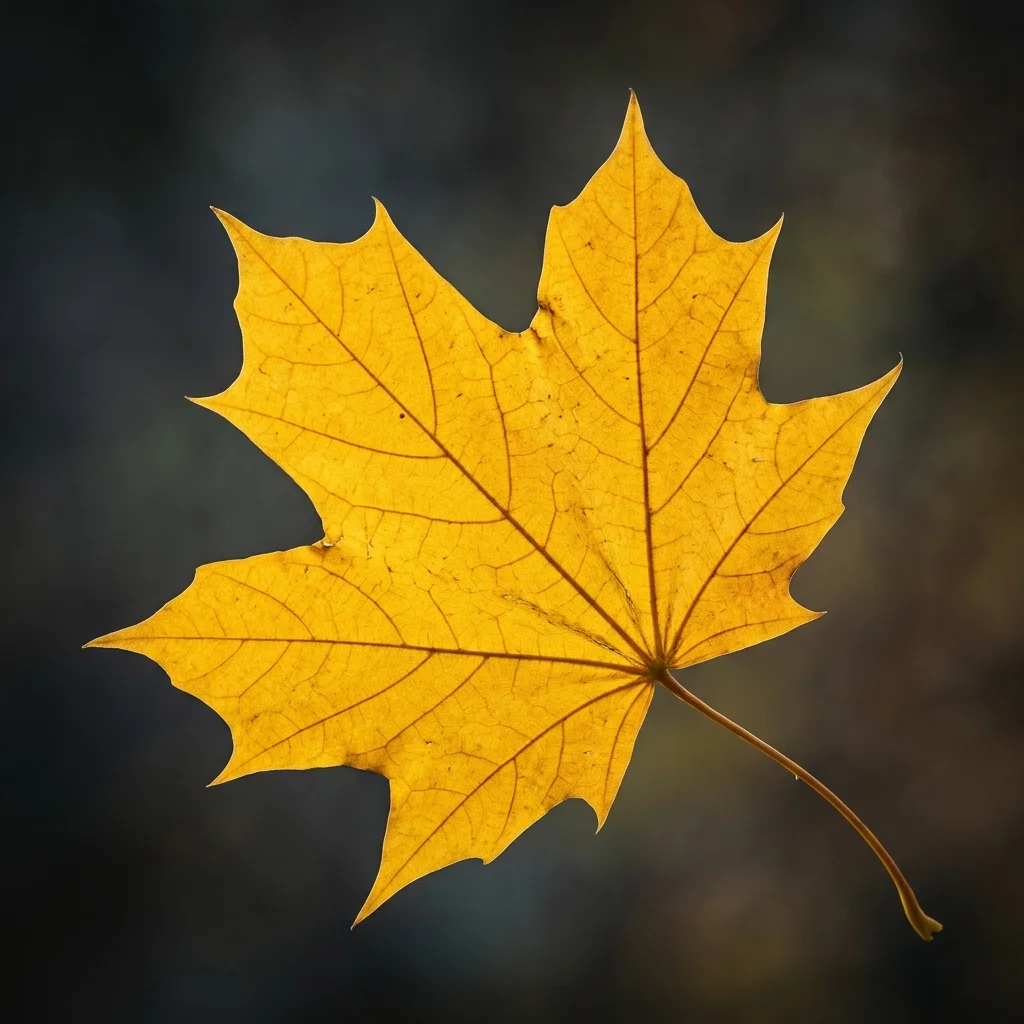
Distinctive Features: Broad, dense rounded crown, five-lobed leaves with sharp, bristle-tipped teeth that exude milky sap from broken leaf stalks, and smooth grey bark.
-
✓
Typical Coloration: Dark glossy green leaves in summer, turning to a breathtaking, uniform bright golden-yellow in late autumn.
-
✓
Potential Confusions: Similar to Sugar Maple, but easily distinguished by its milky leaf sap, broader leaves, and wider-spreading winged seeds (samaras).
11-Step Professional Care & Planting Guide
Frequently Asked Questions
How can I tell a Norway Maple from a Sugar Maple?
Use the milky sap test! Snip a leaf stalk (petiole) or young twig; if a white, milky sap oozes out, it is a Norway Maple. Sugar Maples only produce clear sap.
Is the Norway Maple safe for household pets?
Yes, Acer platanoides is completely non-toxic and pet-safe for cats and dogs.
Why does nothing grow under my Norway Maple?
It is a double challenge! The tree's dense canopy blocks almost all sunlight, while its incredibly shallow, aggressive root system monopolizes all surface moisture and nutrients.
Is the Norway Maple considered invasive?
Yes, in many parts of North America, it is classified as an invasive species because its highly viable seeds and dense shade crowd out native hardwood forests.