Betula papyrifera

Paper Birch Care & Identification Guide

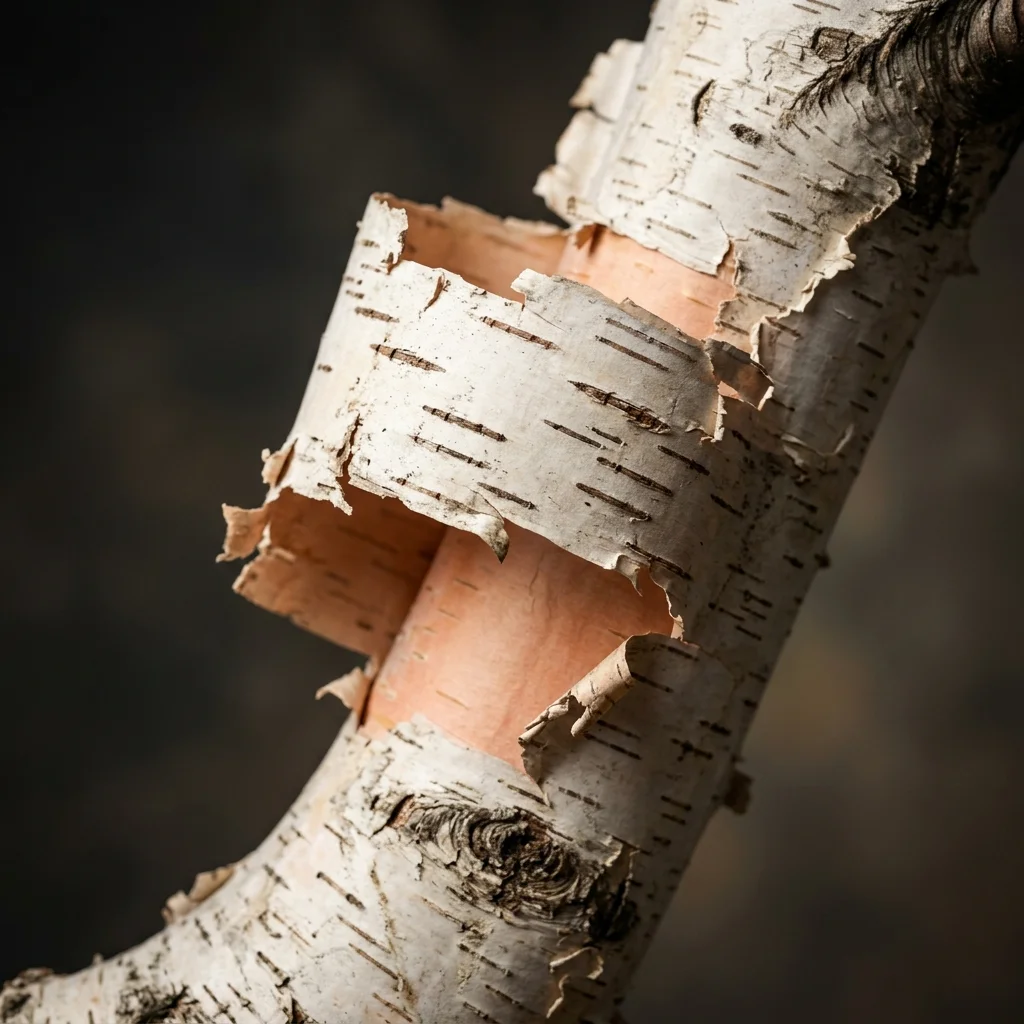
The magnificent Paper Birch (Betula papyrifera), also known as the White Birch, is a colossal and highly spectacular deciduous native of Northern North America, celebrated globally for its chalky-white peeling bark that curls away in paper-thin sheets to reveal a warm, peach-colored inner trunk. Historically, its bark was the primary material for lightweight birchbark canoes built by indigenous tribes. It requires deep, moist, well-drained acidic soil, full direct sun, and cool summer climates.


Sunlight Icon
Sunlight Full Sun
Watering Icon
Watering Moderate
Soil Mix Icon
Soil Mix Acidic Loam
Temperature Icon
Temperature -40°C to 24°C
Toxicity Warning Icon
Toxicity Non-toxic
Botanical photography of Paper Birch (Betula papyrifera) - Plant AI care database

How to Identify Paper Birch

Identify Paper Birch immediately by its highly distinct biological features. Native to its specific ecosystem, it showcases spectacular foliage and structural habits optimized for its environment.

  • Distinctive Features: Bright chalky-white peeling bark with dark horizontal lines (lenticels), and ovate leaves with double-toothed margins.
  • Typical Coloration: Bright green leaves in summer, turning to a breathtaking, uniform golden-yellow in autumn, contrasting with the stark white trunk.
  • Potential Confusions: Similar to Silver Birch, but distinguished by its larger, less-pointed leaves and bark that peels much more easily in wide papery sheets.

11-Step Professional Care & Planting Guide

💧 【Watering & Moisture】 Water moderately. Requires consistently moist soil, especially around its shallow roots. Mulch heavily to keep soil temperatures cool and preserve moisture.

☀️ 【Sunlight & Exposure】 Requires full direct sun. Dislikes shade and thrives in open, sunny fields; prefers cool northern slopes.

🪴 【Ideal Soil Mix】 Prefers rich, deep, well-draining acidic loam. Blend 50% clay-loam, 30% organic peat moss, and 20% coarse sand (pH 5.0-6.5).

🌡️ 【Temperature & Winter Care】 Extremely cold-hardy (USDA Zone 2-6). Thrives in sub-zero northern winters but struggles in hot, humid southern summers.

✂ 【Pruning & Grooming】 Prune only in late autumn or winter during complete dormancy. Never prune in spring, as the tree will bleed sap heavily, attracting pests.

🧪 【Fertilization】 Feed in early spring with a slow-release organic balanced fertilizer. Mulch with composted leaf mold to maintain organic nutrients.

🏺 【Potting & Garden Planting】 Plant in spacious ground. Dig a hole 3 times the width of the root ball. Keep root flare slightly above the soil line to prevent bark rot.

🌱 【Propagation】 Propagated by sowing seeds in autumn, requiring 90 days of cold stratification, or by taking softwood cuttings in early summer.

🐛 【Common Pests】 Highly susceptible to the deadly Bronze Birch Borer under heat stress. Keep the tree well-watered and mulched to resist pests.

🦠 【Common Diseases】 Watch out for birch canker or heart rot. Avoid wounding the thin bark, which provides entry points for fungal pathogens.

🎓 【Botanist Advice】 The Paper Birch has exceptionally thin, delicate bark that is highly sensitive to solar scald and lawnmowers! Never carve into the bark, and maintain a wide mulched ring.

Frequently Asked Questions

Q: Why does Paper Birch bark peel?

A: It is a natural, highly ornamental protective process! The outer bark continuously peels off in paper-like sheets, allowing the tree to shed lichen, fungi, and debris, exposing fresh bark underneath.

Q: Is the Paper Birch safe for dogs and cats?

A: Yes, Betula papyrifera is completely non-toxic and pet-safe for cats and dogs.

Q: What was birchbark historically used for?

A: It was a vital historical material! Indigenous North American tribes used its strong, flexible, and waterproof bark to build canoes, roofing shingles, and storage baskets.

Q: How do I protect my Paper Birch from the Bronze Birch Borer?

A: Keep the root zone cool, shaded, and moist! Borers only attack stressed, overheated trees. Apply a thick 3-4 inch layer of organic mulch and water deeply once a week in summer.

Is your Paper Birch showing yellow or dry leaves?

Don't let rot or scale pests kill your trees. Upload a photo now to get an instant AI botanical diagnosis and save your forest today!

Diagnose Paper Birch Now