Queensland Bottle Tree Care & Identification Guide
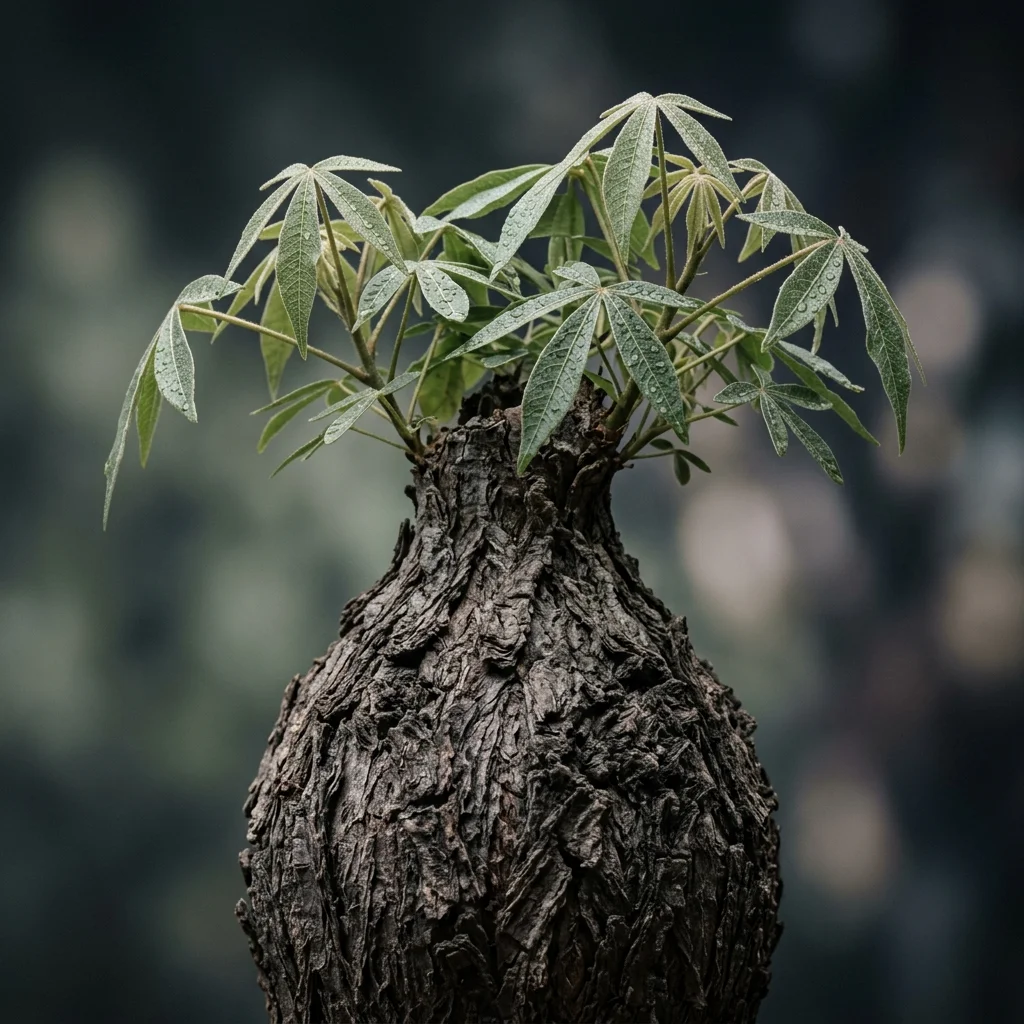
The magnificent Queensland Bottle Tree (Brachychiton rupestris) is a spectacular and highly unique evergreen tree native to the semi-arid woodlands of Queensland, Australia, celebrated globally for its highly swollen, bulbous trunk resembling a bottle. This massive trunk consists of porous, fibrous water-storing tissues that allow it to easily survive extreme droughts. It requires exceptionally well-drained gritty soil, full sun, and strictly dry winter dormant conditions.




How to Identify Queensland Bottle Tree
Identify Queensland Bottle Tree immediately by its highly distinct biological features. Native to its specific ecosystem, it showcases spectacular foliage and structural habits optimized for its environment.
-
✓
Distinctive Features: Slender narrow leaves on a massive, bulbous, highly swollen bottle-shaped trunk, and clusters of small bell-shaped cream flowers.
-
✓
Typical Coloration: Medium-grey rugged bark, deep green slender leaves, and cream-colored small bell flowers.
-
✓
Potential Confusions: Similar to African Baobab, but easily distinguished by its much narrower, simple lobed leaves and attractive creamy bell-shaped flowers (Baobab has large compound leaves and hanging white flowers).
11-Step Professional Care & Planting Guide
Frequently Asked Questions
Why is the trunk shaped like a bottle?
It is a brilliant water-storing adaptation! The swollen trunk is filled with specialized, sponge-like fibrous tissues that absorb and store large volumes of water, allowing the tree to survive severe Australian outback droughts.
Is the Queensland Bottle Tree safe for pets?
Yes, Brachychiton rupestris is completely non-toxic and pet-safe for dogs and cats, making it a very safe, exotic addition to home landscapes.
How fast does the trunk swell?
It requires patience! The trunk remains slender during the first few years. It typically begins to swell significantly once the stem base reaches about 2-3 inches in diameter, usually around year 5.
Can I grow it as a bonsai?
Yes! Queensland Bottle Trees are highly prized by bonsai enthusiasts because they develop their spectacular swollen bottle-like base rapidly under bonsai root restriction.