Red Maple Care & Identification Guide
The magnificent Red Maple (Acer rubrum) is a colossal and highly spectacular deciduous native of Eastern North America, celebrated globally for its rapid growth rate, broad soil adaptability, and vibrant red features. Frequently called the Swamp Maple, it thrives in wet soils where other trees suffocate. It exhibits three-lobed leaves with sharply serrated margins, carried on long red petioles. Warning: Its wilted leaves are extremely toxic to horses. It requires consistent moisture, full sun, and acidic soil.





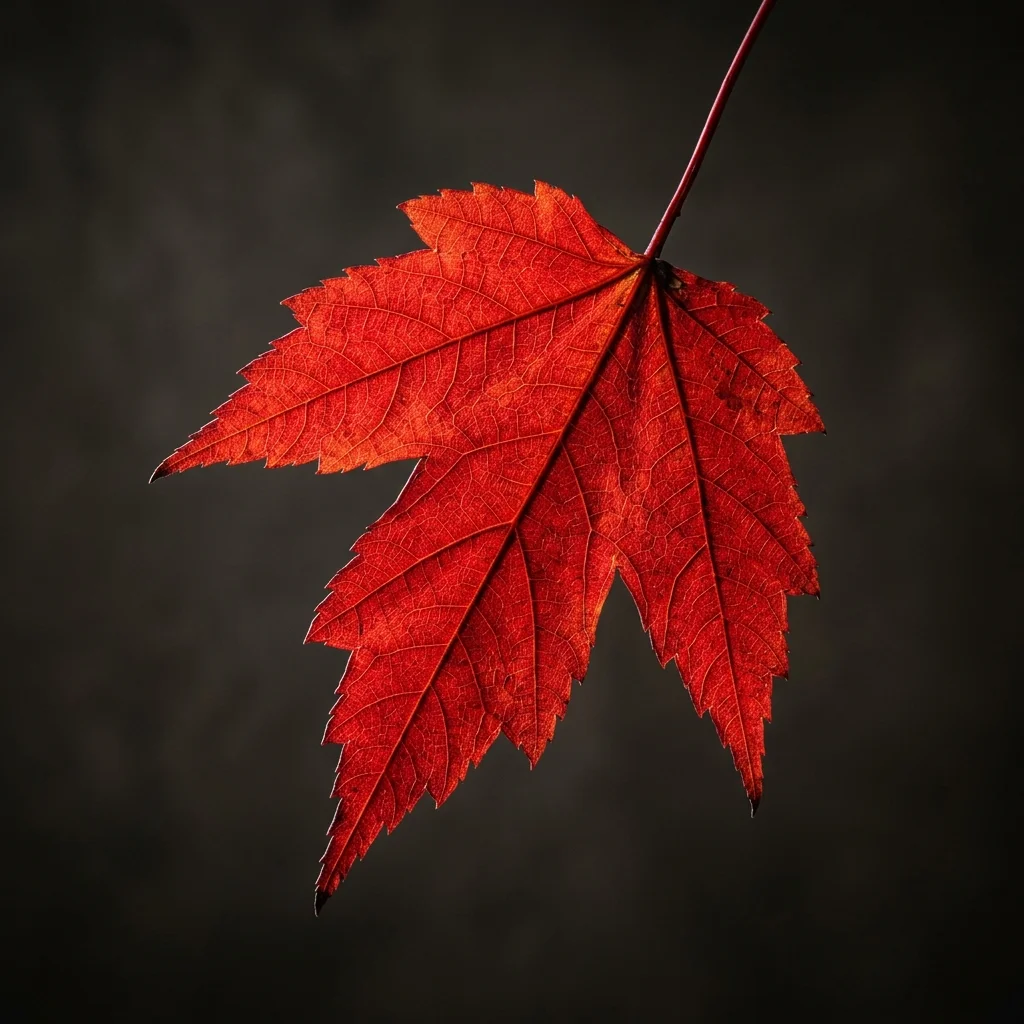
How to Identify Red Maple
Identify Red Maple immediately by its highly distinct biological features. Native to its specific ecosystem, it showcases spectacular foliage and structural habits optimized for its environment.
-
✓
Distinctive Features: Broad symmetrical crown, three-lobed leaves with sharply serrated edges on bright red stems, and smooth silver-grey bark that turns furrowed with age.
-
✓
Typical Coloration: Medium green summer foliage with pale silver undersides, turning to a breathtaking, uniform fiery crimson or glowing orange-scarlet in autumn.
-
✓
Potential Confusions: Similar to Sugar Maple, but easily distinguished by its sharply serrated leaf margins (Sugar Maple has smooth margins) and V-shaped sinuses.
11-Step Professional Care & Planting Guide
Frequently Asked Questions
Why is it called Red Maple?
Because red is its signature color! It produces red flowers in early spring, red young twigs, red leaf stalks (petioles), and brilliant red autumn foliage.
Is the Red Maple safe for dogs and cats?
Yes, Acer rubrum is completely non-toxic and pet-safe for cats and dogs. However, its wilted leaves are highly toxic to horses.
Can the Red Maple grow in wet, boggy clay?
Yes! Also known as the swamp maple, it is one of the few large trees that thrives in wet, poorly drained soils and can withstand seasonal flooding.
How do I fix yellow leaves with green veins (chlorosis)?
This indicates iron chlorosis due to alkaline soil. Apply elemental sulfur, peat moss, or chelated iron to lower the pH and release trapped iron to the roots.