Red Oak Care & Identification Guide
The magnificent Red Oak (Quercus rubra), also known as the Northern Red Oak, is a colossal and highly spectacular deciduous native of Eastern North America, celebrated globally for its rapid growth rate, superior hardiness, and brilliant autumn colors. It features a sweeping round canopy carrying sharp, deeply lobed leaves with tiny bristles at their tips. It produces plump acorns nestled in flat, shallow saucer-like caps. It thrives in well-drained acidic soil, full direct sun, and moderate watering.





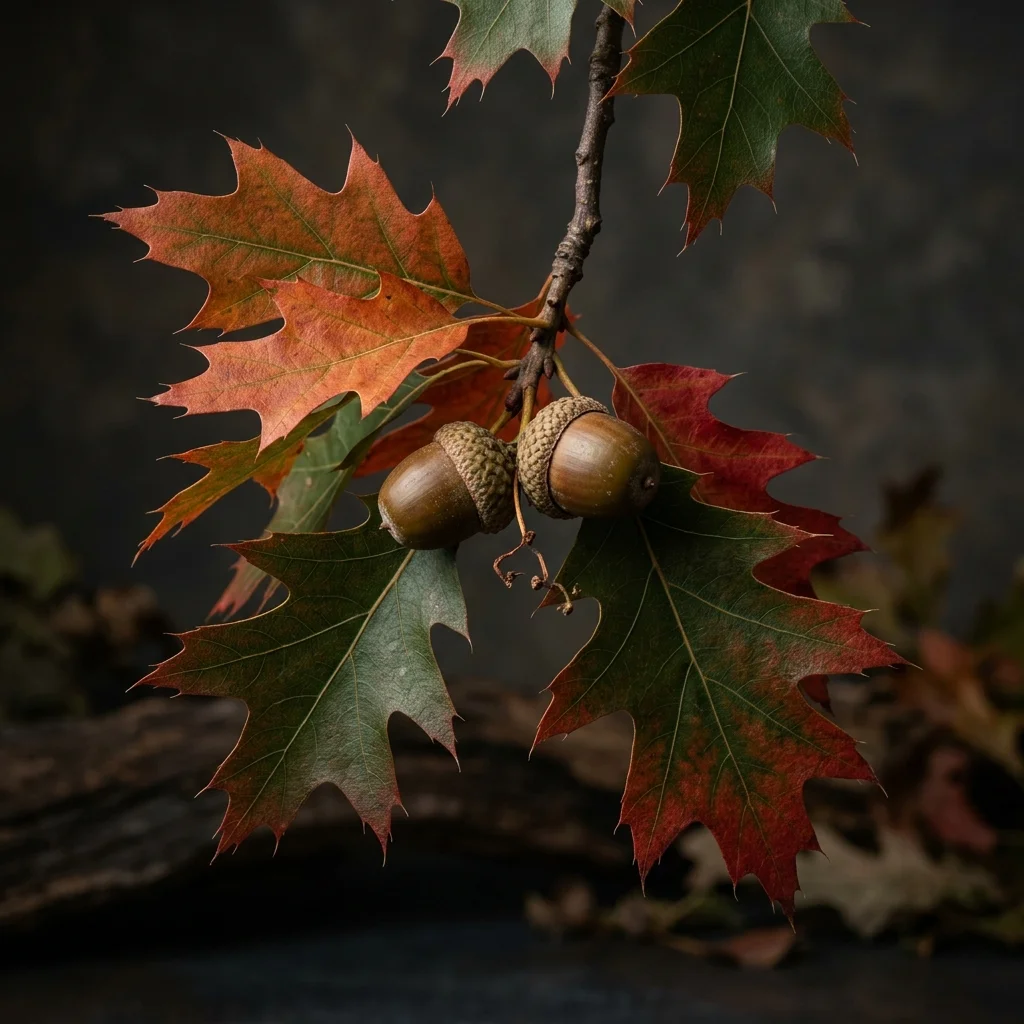
How to Identify Red Oak
Identify Red Oak immediately by its highly distinct biological features. Native to its specific ecosystem, it showcases spectacular foliage and structural habits optimized for its environment.
-
✓
Distinctive Features: Pointed, bristle-tipped green leaves with deep sinuses, and characteristic smooth bark showing flat shiny silver-grey ridges.
-
✓
Typical Coloration: Lively bright green in summer, turning to a breathtaking, dramatic orange-red to fiery crimson in autumn.
-
✓
Potential Confusions: Similar to Pin Oak, but distinguished by its much larger leaves and broad, shallow saucer-like acorn caps.
11-Step Professional Care & Planting Guide
Frequently Asked Questions
How fast does the Northern Red Oak grow?
It is highly valued for its speed! It is one of the fastest-growing oak species, easily growing 2 feet per year under optimal sunny conditions.
Is the Red Oak safe for pets?
Yes, Quercus rubra is completely non-toxic and pet-safe.
Why do Red Oak acorns take two years to mature?
This is a key botanical distinction of the red oak group! Their acorns require two full growing seasons to mature on the tree before falling.
How to treat yellowing leaves (chlorosis)?
Yellowing leaves indicate high soil pH. Apply sulfur, peat moss, or chelated iron to lower the soil pH and restore its rich green color.