Royal Palm Care & Identification Guide
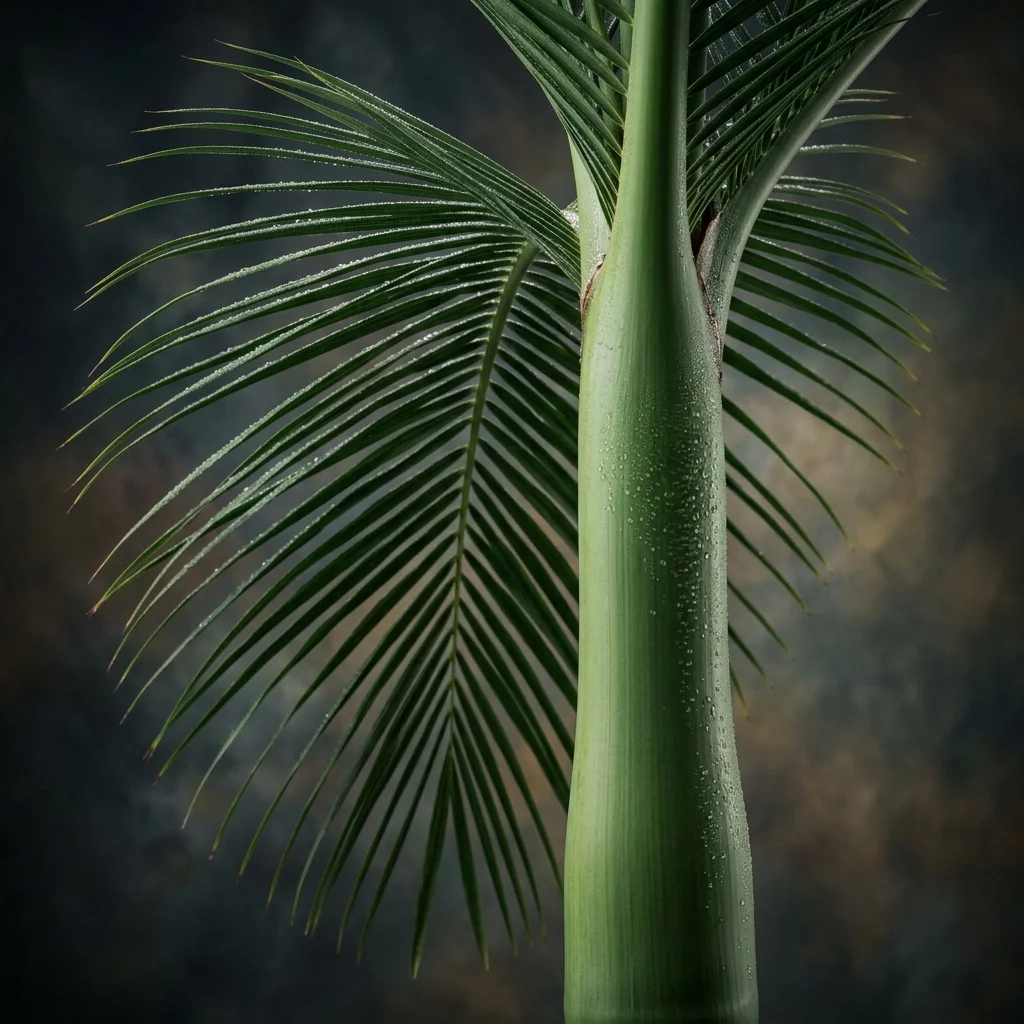
The magnificent Royal Palm (Roystonea regia) is a spectacular and monumental palm native to the Caribbean, celebrated globally for its smooth, light grey, cement-like trunk and vibrant, smooth green crownshaft. It exhibits a self-cleaning habit, naturally shedding its massive feathery fronds to protect its crown during hurricanes. It requires highly fertile organic loam, abundant water, and full direct sun.





How to Identify Royal Palm
Identify Royal Palm immediately by its highly distinct biological features. Native to its specific ecosystem, it showcases spectacular foliage and structural habits optimized for its environment.
-
✓
Distinctive Features: Monumental cement-grey smooth column trunk, striking smooth emerald-green crownshaft, and a massive rounded canopy of feathery fronds.
-
✓
Typical Coloration: Light grey trunk, rich emerald-green crownshaft, glossy dark green leaflets, and small purple-black fruits.
-
✓
Potential Confusions: Similar to Imperial Palm, but distinguished by its swollen middle trunk section, glossy bright green leaf stems, and smooth cement-like bark texture.
11-Step Professional Care & Planting Guide
Frequently Asked Questions
Why are the lower leaf tips of my royal palm turning bronze and frizzled?
This is a classic sign of Potassium Deficiency! Royal Palms are extremely sensitive to low potassium, which causes leaf margins to frizzle, turn bronze, and dry. Apply specialized high-potassium palm fertilizer immediately.
What is 'Self-Cleaning' and do I need to prune it?
Royal Palms are strictly self-cleaning! When an old frond dies, its entire leaf sheath cleanly detaches from the trunk and drops to the ground, leaving a smooth ringed scar. Do not pull half-dead leaves off manually, as it can scar the trunk.
Is the Royal Palm safe for cats and dogs?
Yes, Roystonea regia is completely non-toxic and pet-safe for cats and dogs, making it highly suitable for luxury pet-friendly tropical landscaping.
Can I grow a Royal Palm in a container?
Only as a juvenile! Due to its massive roots and fast, monumental mature growth (up to 20-30 meters tall), it must be planted in open ground to survive long-term.