Scots Pine Care & Identification Guide
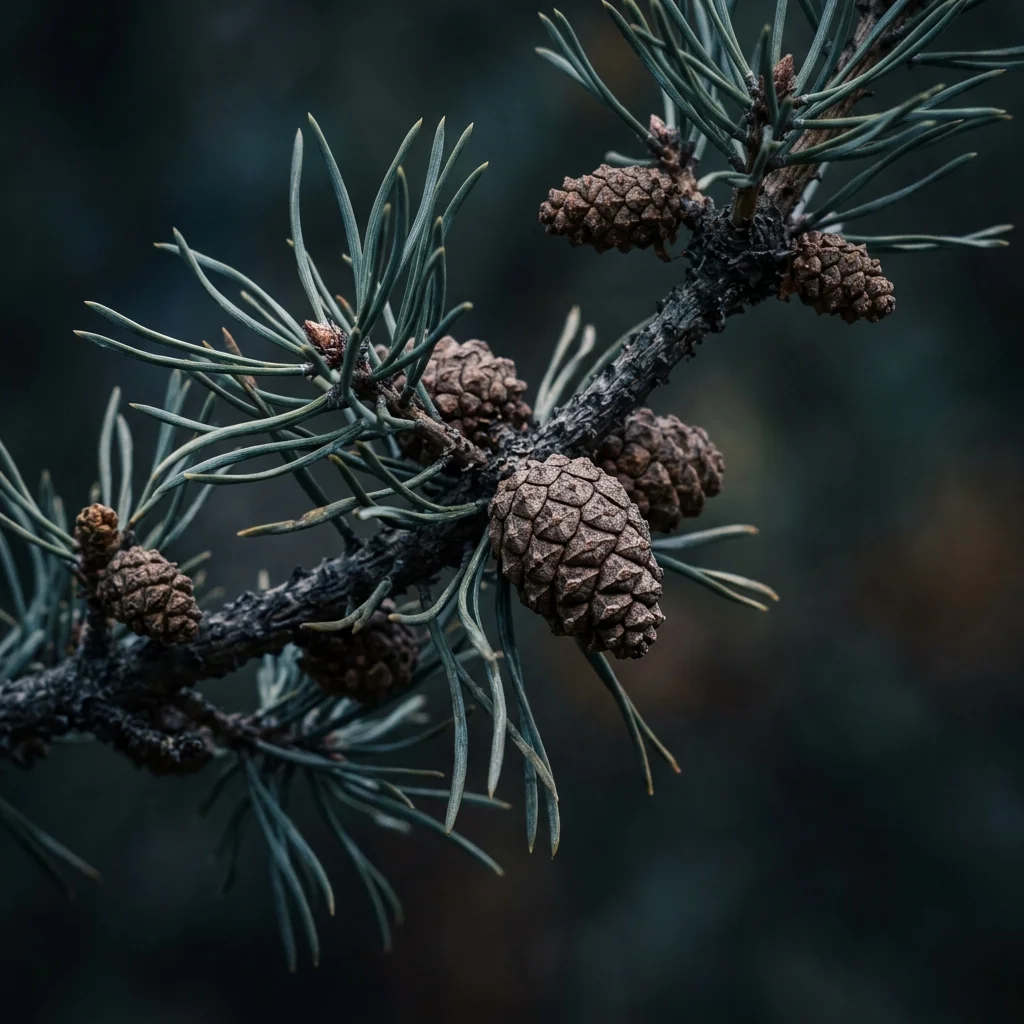
The magnificent Scots Pine (Pinus sylvestris) is a highly spectacular evergreen conifer native to Eurasia, celebrated globally for its extreme hardiness, picturesque irregular crown, and striking, flaky orange-red bark on the upper trunk and branches. It features stiff, twisted blue-green needles arranged in pairs of two, and small woody oval cones. It is the most widely distributed pine on Earth, thriving in sterile soils. It requires well-drained soil, full direct sun, and low watering.



How to Identify Scots Pine
Identify Scots Pine immediately by its highly distinct biological features. Native to its specific ecosystem, it showcases spectacular foliage and structural habits optimized for its environment.
-
✓
Distinctive Features: Twisted blue-green needles in pairs of two, striking flaky orange-red bark on the upper trunk, and small woody oval cones.
-
✓
Typical Coloration: Stiff blue-green needles, grey-brown deeply fissured lower trunk bark, and bright orange-red flaky upper bark.
-
✓
Potential Confusions: Similar to Austrian Pine, but easily distinguished by its shorter needles (2-3 inches long) in pairs, twisted needle habit, and bright orange-red upper bark.
11-Step Professional Care & Planting Guide
Frequently Asked Questions
Why is the upper trunk bark orange?
This is its signature feature! Pinus sylvestris naturally sheds its grey lower bark as it grows, exposing a thin, flaky, brilliant orange-red bark layer on the upper trunk and branches.
Is the Scots Pine safe for household pets?
Yes, Pinus sylvestris is completely non-toxic and pet-safe for cats and dogs.
What is a candle in pine trees?
A candle is the new, tender spring shoot that emerges from the branch tips. Snapping or pinching these candles in half is a classic technique to control size and density.
Does it tolerate clay soils?
No, it strongly dislikes heavy, compacted, waterlogged clay which suffocates its roots. Gritty, sandy, or rocky soils are essential.