Siberian Larch Care & Identification Guide
The magnificent Siberian Larch (Larix sibirica) is a spectacular, exceptionally cold-hardy deciduous conifer native to the vast subarctic forests of Siberia, celebrated globally for its golden autumn needle display, high rot-resistant timber, and ability to thrive in extremely cold zones. Unlike most conifers, it drops all its soft needle-like leaves in autumn to prevent winter water loss. It requires well-drained acidic soil, full direct sun, and cold winter stratification.





How to Identify Siberian Larch
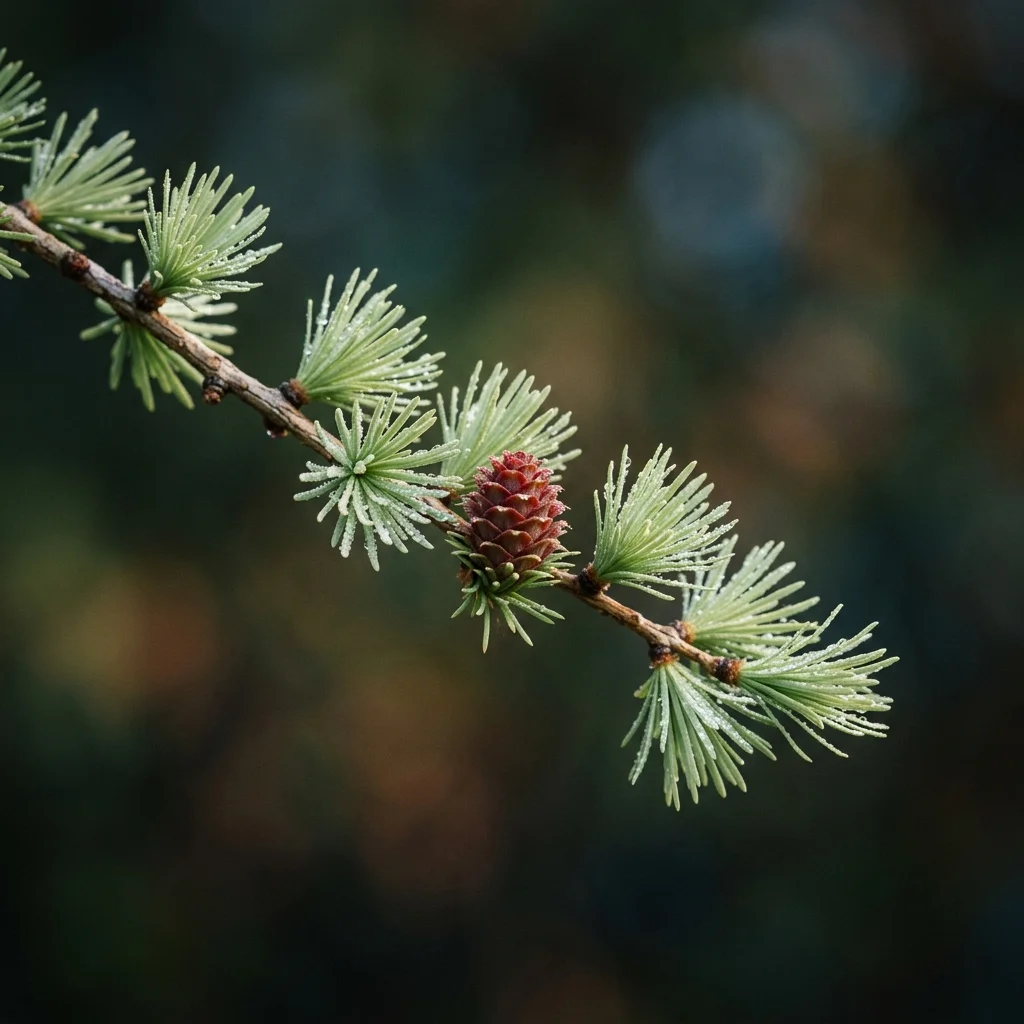
Identify Siberian Larch immediately by its highly distinct biological features. Native to its specific ecosystem, it showcases spectacular foliage and structural habits optimized for its environment.
-
✓
Distinctive Features: Soft needles arranged in globular tufts on short shoots, turning golden-yellow and shedding in autumn, bearing upright woody cones.
-
✓
Typical Coloration: Soft bright green needles in spring, turning brilliant golden-yellow in autumn, and reddish-brown deeply furrowed bark.
-
✓
Potential Confusions: Similar to other larches, but distinguished by its glabrous (hairless) young shoots, larger cones, and superior cold hardiness.
11-Step Professional Care & Planting Guide
Frequently Asked Questions
Why does this conifer drop its needles in winter?
It is a brilliant survival mechanism! In extreme subarctic climates, frozen soil prevents roots from absorbing water. By dropping all its needles, the Larch stops all transpiration, preventing lethal winter dehydration.
Is the Siberian Larch safe for cats and dogs?
Yes, Larix sibirica is completely non-toxic and pet-safe, though its fallen dry twigs and needles should not be ingested in large amounts to avoid mechanical gut irritation.
How long does the wood last?
Siberian Larch timber is legendary for its durability! Due to high concentrations of natural resins and arabinogalactans, it is virtually waterproof and rot-resistant, lasting decades without chemical treatments.
Why are my Larch needles turning yellow in summer?
This is a sign of stress! Yellowing in summer is abnormal and indicates severe drought, root rot from poor drainage, or a heavy infestation of larch adelgids. Check soil moisture immediately.