Sugar Maple Care & Identification Guide
The magnificent Sugar Maple (Acer saccharum) is a colossal and highly spectacular deciduous native of Eastern North America, celebrated globally for its high-sugar sap, dense oval canopy, and breathtaking autumn leaf coloration. During winter and early spring, its trunk undergoes a critical freeze-thaw cycle that generates positive pressure, driving a high-volume flow of sweet sap (containing 2% to 3% sucrose) used to distill legendary maple syrup. It requires deep, well-drained acidic loam, consistent moisture, and full sun to partial shade.





How to Identify Sugar Maple
Identify Sugar Maple immediately by its highly distinct biological features. Native to its specific ecosystem, it showcases spectacular foliage and structural habits optimized for its environment.
-
✓
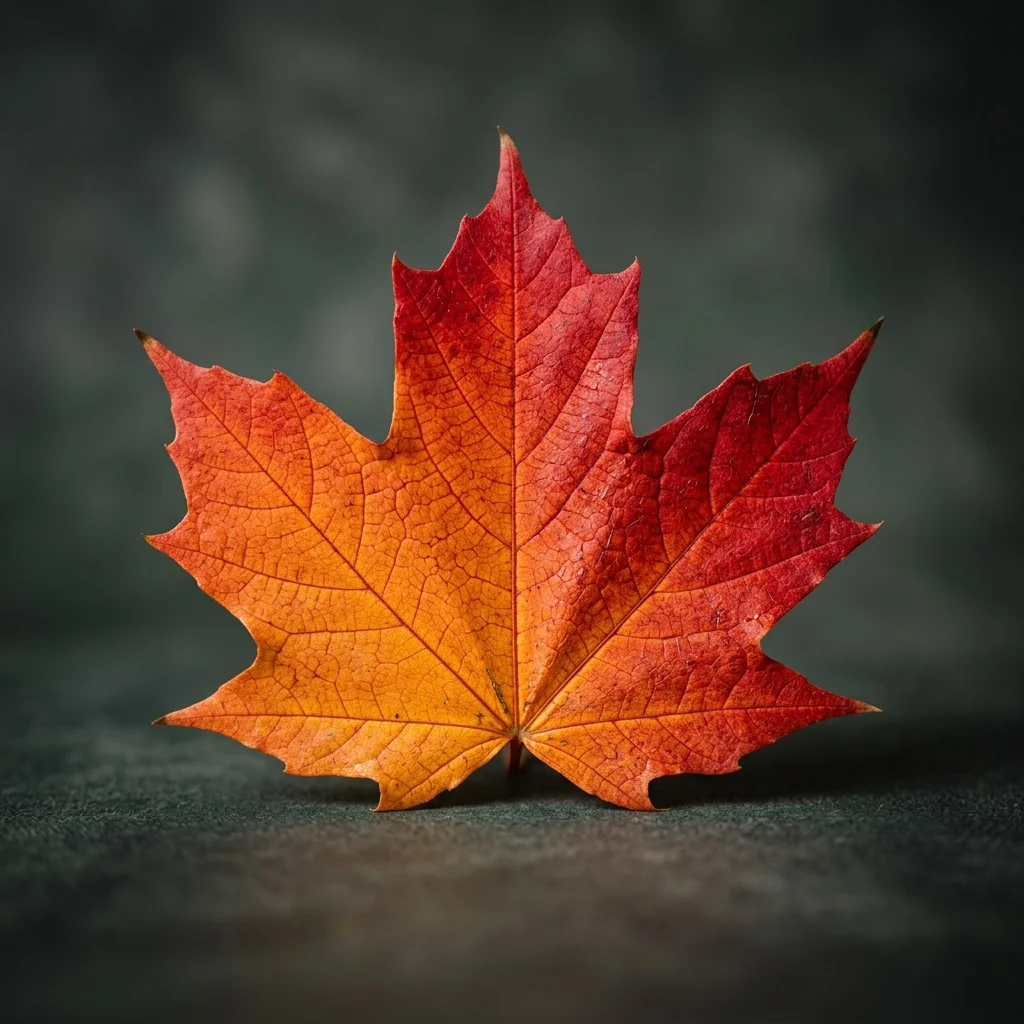
Distinctive Features: Dense, symmetrical oval crown with classic five-lobed leaves showing U-shaped crotches (sinuses) and dark brownish deeply furrowed bark.
-
✓
Typical Coloration: Rich bright green in summer, turning to a breathtaking, luminous gradient of bright yellow, vibrant orange, and deep scarlet-red in autumn.
-
✓
Potential Confusions: Similar to Norway Maple, but easily distinguished by its clear leaf sap (Norway Maple has milky sap) and pointed leaf tips without long hair-like bristles.
11-Step Professional Care & Planting Guide
Frequently Asked Questions
How is pure maple syrup made?
It is distilled directly from the sap of Sugar Maple! In early spring, the tree is tapped, and the sweet sap is boiled down. It takes 40 gallons of raw sap to produce just 1 gallon of pure maple syrup.
Is the Sugar Maple safe for dogs and cats?
Yes, Acer saccharum is completely non-toxic and pet-safe for cats and dogs.
How can I tell a Sugar Maple apart from a Norway Maple?
The leaf petiole test is foolproof! Break a leaf stem; if it exudes a clear, watery sap, it is a Sugar Maple. If it secretes a thick, milky white sap, it is a Norway Maple.
Why do the leaves turn three distinct colors in autumn?
It is a spectacular pigment transition! As green chlorophyll breaks down in cool, sunny autumn days, yellow xanthophylls are revealed, while bright red anthocyanin pigments are actively synthesized.