Weeping Willow Care & Identification Guide
The magnificent Weeping Willow (Salix babylonica) is a colossal and highly spectacular deciduous tree native to China, celebrated globally for its long, drooping branchlets that sweep the ground like a romantic green curtain. It carries narrow, lanceolate green leaves that dance in the slightest breeze. It has an exceptionally rapid growth rate and thrives near water, but develops an extremely aggressive, water-seeking root system. It requires wet soils, full sun, and high watering.





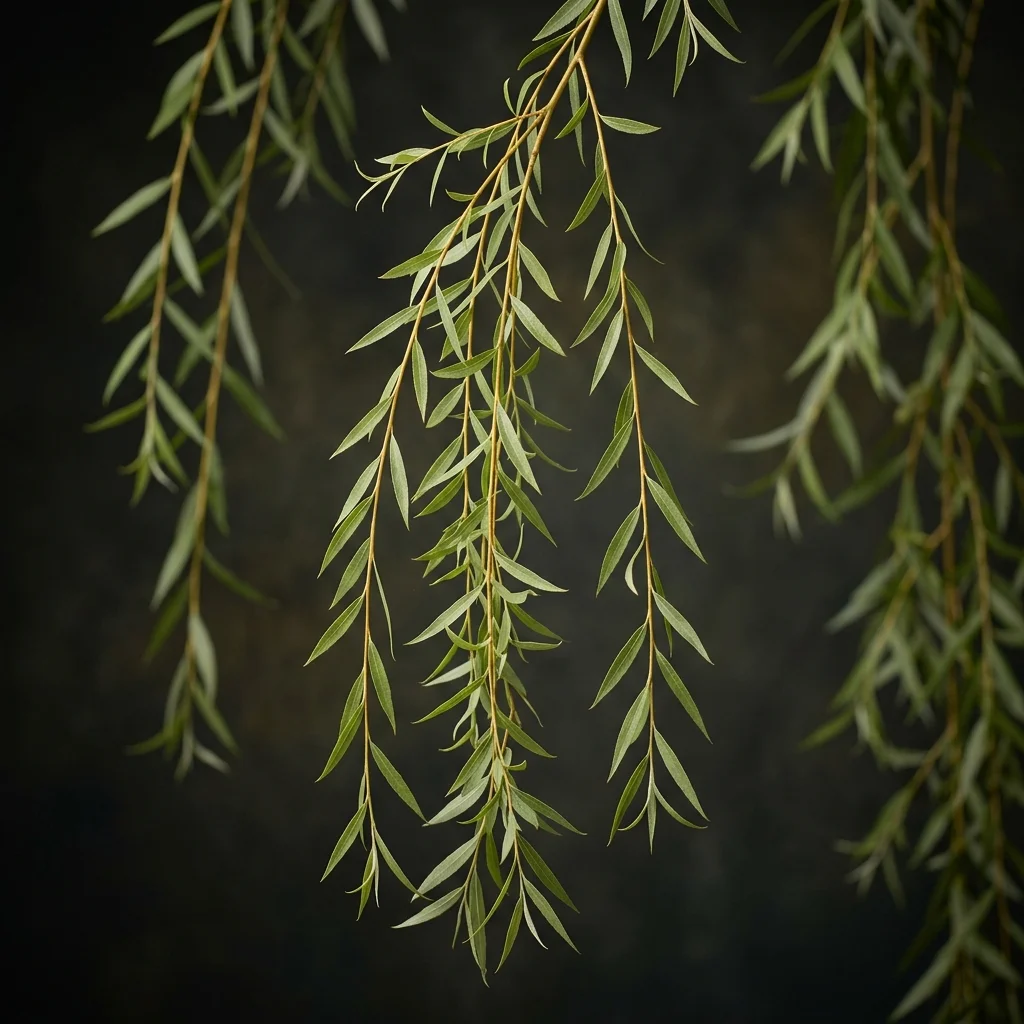
How to Identify Weeping Willow
Identify Weeping Willow immediately by its highly distinct biological features. Native to its specific ecosystem, it showcases spectacular foliage and structural habits optimized for its environment.
-
✓
Distinctive Features: Long, incredibly slender, drooping branchlets sweeping the ground, and narrow, lanceolate green leaves with finely serrated margins.
-
✓
Typical Coloration: Bright light-green foliage in summer, turning to a warm golden-yellow or pale amber-bronze in late autumn.
-
✓
Potential Confusions: Similar to Weeping Birch, but distinguished by its much longer, narrower lanceolate leaves and lack of white bark.
11-Step Professional Care & Planting Guide
Frequently Asked Questions
Why do the branches weep?
It is an elegant adaptation! The long, thin branchlets are highly flexible and low-density, allowing them to bend downward under their own weight, forming a protective curtain.
Is the Weeping Willow safe for household pets?
Yes, Salix babylonica is completely non-toxic and pet-safe for cats and dogs.
How fast does a Weeping Willow grow?
It is incredibly fast! It can easily grow 3 to 10 feet per year under sunny, wet conditions, quickly creating a mature, romantic shade canopy.
Can I grow it away from a pond or stream?
Yes, provided you water it heavily and consistently. However, it will always perform best in naturally wet, low-lying ground.