Wollemi Pine Care & Identification Guide
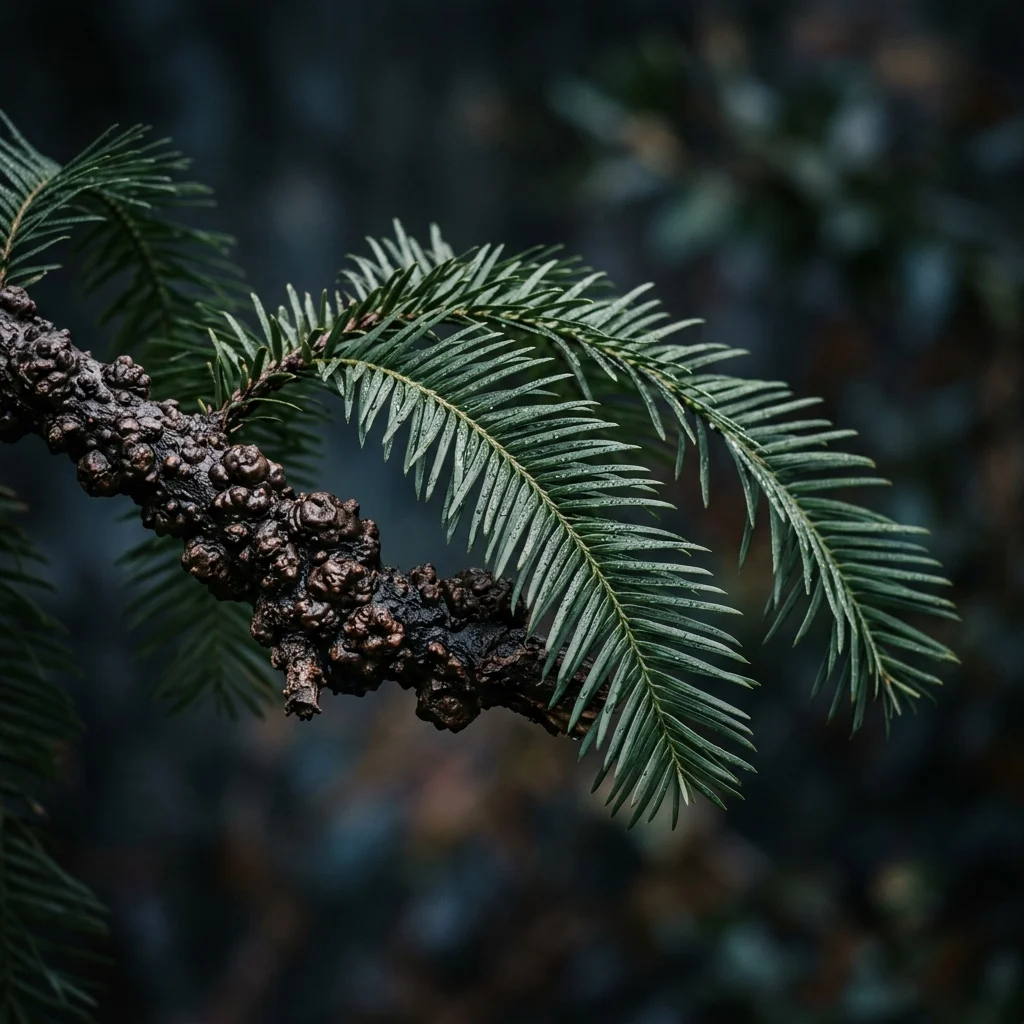
The magnificent Wollemi Pine (Wollemia nobilis) is a spectacular and critically endangered evergreen conifer native to a single hidden canyon in New South Wales, Australia, celebrated globally as one of the greatest botanical discoveries of the 20th century. Believed to have been extinct for over 60 million years, this living fossil features strange bubble-like bark resembling chocolate and flat dark-green linear leaves arranged in 4 distinct ranks. It requires highly draining acidic soil, cool roots, and partial shade.





How to Identify Wollemi Pine
Identify Wollemi Pine immediately by its highly distinct biological features. Native to its specific ecosystem, it showcases spectacular foliage and structural habits optimized for its environment.
-
✓
Distinctive Features: Iconic bubbly bark resembling chocolate, flat dark-green linear leaves arranged in 4 distinct ranks, and globose woody cones.
-
✓
Typical Coloration: Dark green linear leaves, and chocolate-brown bubbly scaly trunk bark.
-
✓
Potential Confusions: Similar to Norfolk Island Pine, but easily distinguished by its highly unique bubbly bark and flat linear leaves arranged strictly in 4 ranks.
11-Step Professional Care & Planting Guide
Frequently Asked Questions
Why is it called a 'Living Fossil'?
It has prehistoric lineage! The Wollemi Pine was believed to have been extinct for over 60 million years, known only from fossil records, until a park ranger discovered a small grove in a hidden canyon in 1994.
Is the Wollemi Pine safe for pets?
Yes, Wollemia nobilis is completely non-toxic and pet-safe for cats and dogs, making it a very safe, exotic addition to home landscapes.
Why is the bark described as 'bubbly chocolate'?
It is a highly unique bark texture! As the tree matures, its bark develops dense, dark brown nodules that resemble bubbly chocolate or coco pops, making it highly distinct from other conifers.
Can I grow it as a potted indoor plant?
Yes! Wollemi Pines make exceptionally spectacular container plants because they tolerate root restriction and dry indoor air beautifully, as long as they receive bright indirect light.