Yoshino Cherry Care & Identification Guide
The magnificent Yoshino Cherry (Prunus × yedoensis) is a highly spectacular deciduous tree native to Japan, celebrated globally as the star of cherry blossom festivals. In early spring, it produces breathtaking, dense clouds of five-petaled pale pinkish-white flowers that emerge on slender branches before leaves appear. It grows rapidly, forming an elegant vase-shaped canopy. It requires rich, moisture-retentive, exceptionally well-drained loam and full sun.





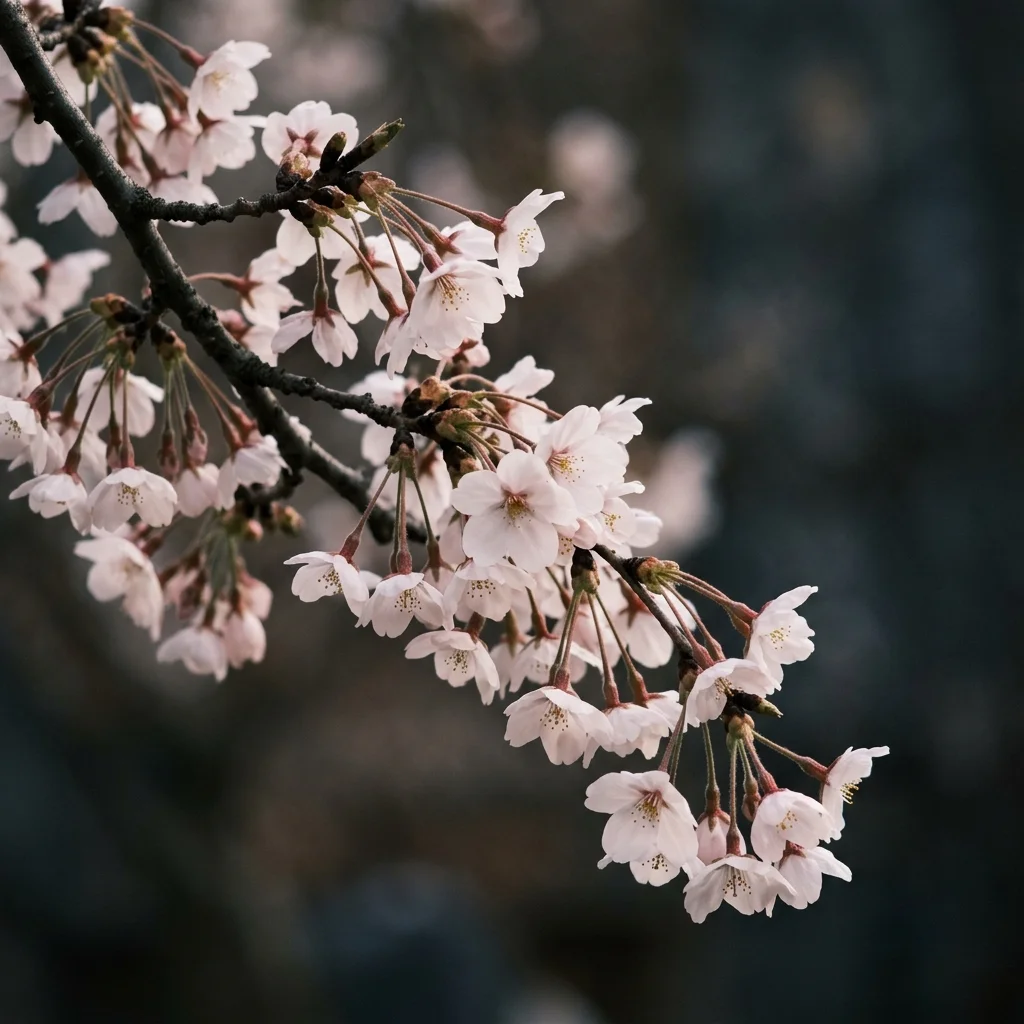
How to Identify Yoshino Cherry
Identify Yoshino Cherry immediately by its highly distinct biological features. Native to its specific ecosystem, it showcases spectacular foliage and structural habits optimized for its environment.
-
✓
Distinctive Features: Delicate five-petaled single pale pinkish-white flowers blooming in drooping clusters of 2-5 on bare branches, and shiny dark green leaves.
-
✓
Typical Coloration: Snowy pale-pink to white spring blossoms, glossy green summer leaves, and a spectacular bronze-gold or orange-red autumn display.
-
✓
Potential Confusions: Similar to Kwanzan Cherry, but distinguished by its single 5-petaled flowers (Kwanzan has double rose-like pink blooms) and earlier blooming.
11-Step Professional Care & Planting Guide
Frequently Asked Questions
What is the Hanami blooming window?
It is a beautiful but short-lived phenomenon! The spectacular pale-pink cherry blossoms open and peak within a brief 7 to 10 day window, making it a highly historic and romantic spring event.
Is the Yoshino Cherry safe for dogs and cats?
Yes, Prunus × yedoensis is completely non-toxic and pet-safe for cats and dogs.
Why are the leaves turning yellow and dropping in summer?
This is usually a sign of poor drainage or root suffocation! Yoshino Cherry roots require highly porous, oxygen-rich loam; heavy wet clay will rapidly suffocate the roots.
How big does it grow?
It grows rapidly to a height of 30 to 40 feet with a sweeping, vase-shaped canopy, making it a magnificent shade tree for residential lawns.