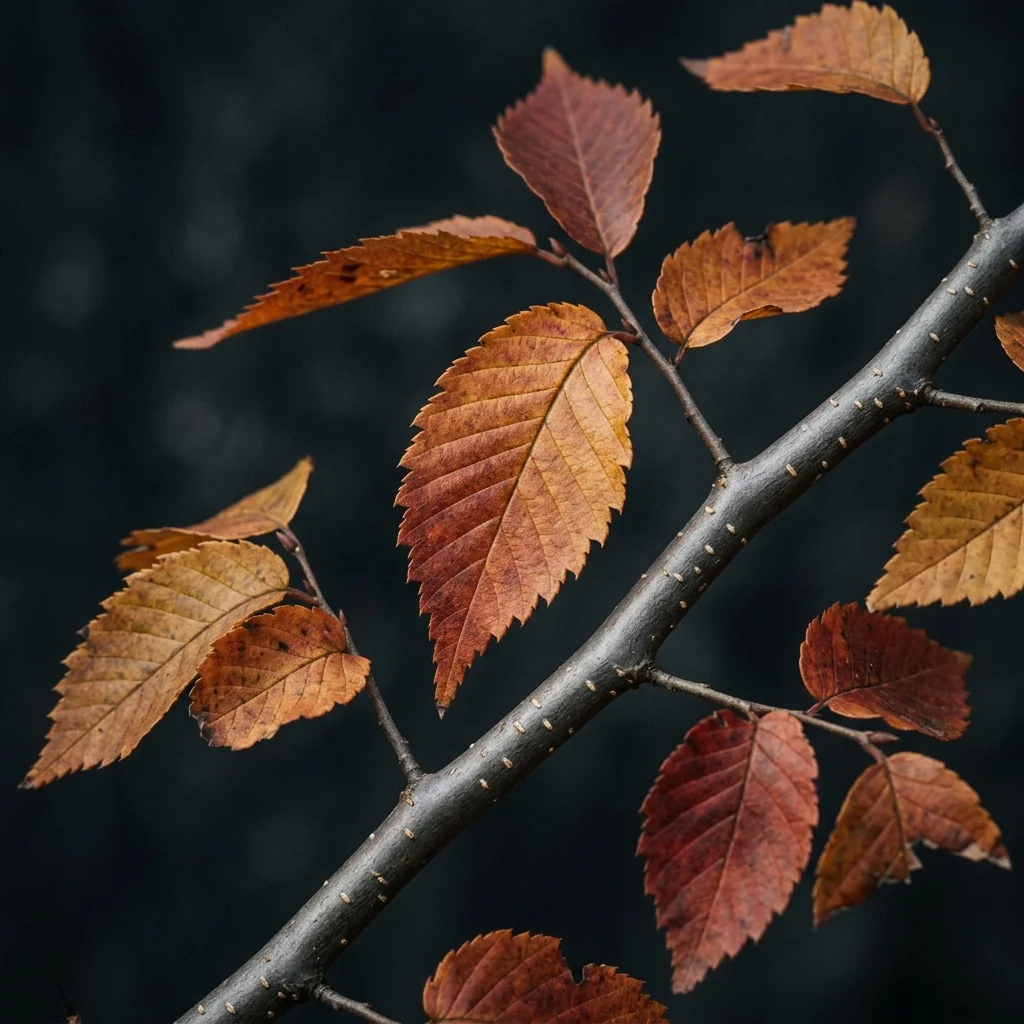
Zelkova serrata

Japanese Zelkova Care & Identification Guide

The magnificent Japanese Zelkova (Zelkova serrata) is a highly spectacular deciduous native of East Asia, celebrated globally for its elegant, symmetrical vase-shaped canopy and its role as a premier, disease-resistant replacement for the American Elm. It features simple, ovate leaves with sharp serrate saw-tooth margins that transition to breathtaking autumn shades of copper, gold, and red. Its smooth grey bark peels slightly in mature trees to reveal attractive orange patches. It requires well-drained loam, full sun, and moderate watering.


Sunlight Icon
Sunlight Full Sun
Watering Icon
Watering Moderate
Soil Mix Icon
Soil Mix Well-drained Loam
Temperature Icon
Temperature -25°C to 28°C
Toxicity Warning Icon
Toxicity Non-toxic
Botanical photography of Japanese Zelkova (Zelkova serrata) - Plant AI care database

How to Identify Japanese Zelkova

Identify Japanese Zelkova immediately by its highly distinct biological features. Native to its specific ecosystem, it showcases spectacular foliage and structural habits optimized for its environment.

  • Distinctive Features: Elegant symmetrical vase-shaped upright branching canopy, leaves with sharp serrate margins, and smooth grey bark exfoliating to reveal orange patches.
  • Typical Coloration: Rich deep green summer leaves turning brilliant shades of copper, rusty-red, and gold in autumn, and smooth grey bark.
  • Potential Confusions: Often confused with American Elm, but easily distinguished by its symmetrical serrated margins (Zelkova leaves are singly serrate; Elm leaves are doubly serrate) and smooth trunk bark.

11-Step Professional Care & Planting Guide

💧 【Watering & Moisture】 Water moderately. Prefers consistently moist soil when young. Highly drought-tolerant once its deep root system is fully established.

☀️ 【Sunlight & Exposure】 Requires full direct sun for maximum crown development and spectacular, bright autumn color displays. Tolerates urban wind.

🪴 【Ideal Soil Mix】 Thrives in deep, rich, exceptionally well-drained loams. Highly adaptable to clay, alkaline soils, and pH ranges of 5.5-7.5.

🌡️ 【Temperature & Winter Care】 Cold-hardy (USDA Zone 5-8). Robustly tolerates freezing winter winds. Apply compost mulch over the root flare.

✂ 【Pruning & Grooming】 Prune only in late winter when dormant. Pruning is essential in its youth to establish a strong central leader trunk and wide, strong branch attachments.

🧪 【Fertilization】 Feed once in early spring with a slow-release organic balanced fertilizer. Mulch the drip line with composted bark.

🏺 【Potting & Garden Planting】 Ideal street tree! Dig a wide hole twice the root ball, backfill, pack soil firmly, and stake young saplings.

🌱 【Propagation】 Propagated by sowing seeds in autumn requiring 90 days of cold stratification, or by taking softwood cuttings in early summer.

🐛 【Common Pests】 Generally highly resistant. Watch occasionally for Japanese beetles or spider mites. Treat with organic neem oil spray.

🦠 【Common Diseases】 Highly resistant to Dutch Elm Disease, making it a premier replacement. Watch for bacterial cankers in poorly-drained soils.

🎓 【Botanist Advice】 Zelkova serrata naturally forms a spectacular vase shape that looks gorgeous in street line planting! Keep branches pruned high to showcase the exfoliating bark with orange highlights.

Frequently Asked Questions

Q: Why is Zelkova called the Elm replacement?

A: Because of its form and DED resistance! It grows in the exact same magnificent, vase-shaped architectural pattern as the American Elm, but is virtually immune to the devastating Dutch Elm Disease.

Q: Is the Japanese Zelkova safe for pets?

A: Yes, Zelkova serrata is completely non-toxic and pet-safe for cats and dogs.

Q: Does the bark peel off?

A: Yes, on mature trees, the smooth grey bark gently exfoliates in small scales, revealing a beautiful bright orange inner bark patch underneath.

Q: How fast does it grow?

A: It grows at a moderate to fast rate when young (1-2 feet per year), tapering off as it reaches a mature height of 50 to 80 feet.

Is your Japanese Zelkova showing yellow or dry leaves?

Don't let rot or scale pests kill your trees. Upload a photo now to get an instant AI botanical diagnosis and save your forest today!

Diagnose Japanese Zelkova Now