Avocado Growing & Harvesting Guide
Avocado (Persea americana) is the rich, buttery crown of the home grove. Famed for its highly nutritious, creamy green-fleshed pear-shaped fruits and lush evergreen leaves, this beautiful subtropical tree requires sharp soil drainage and careful wind protection.





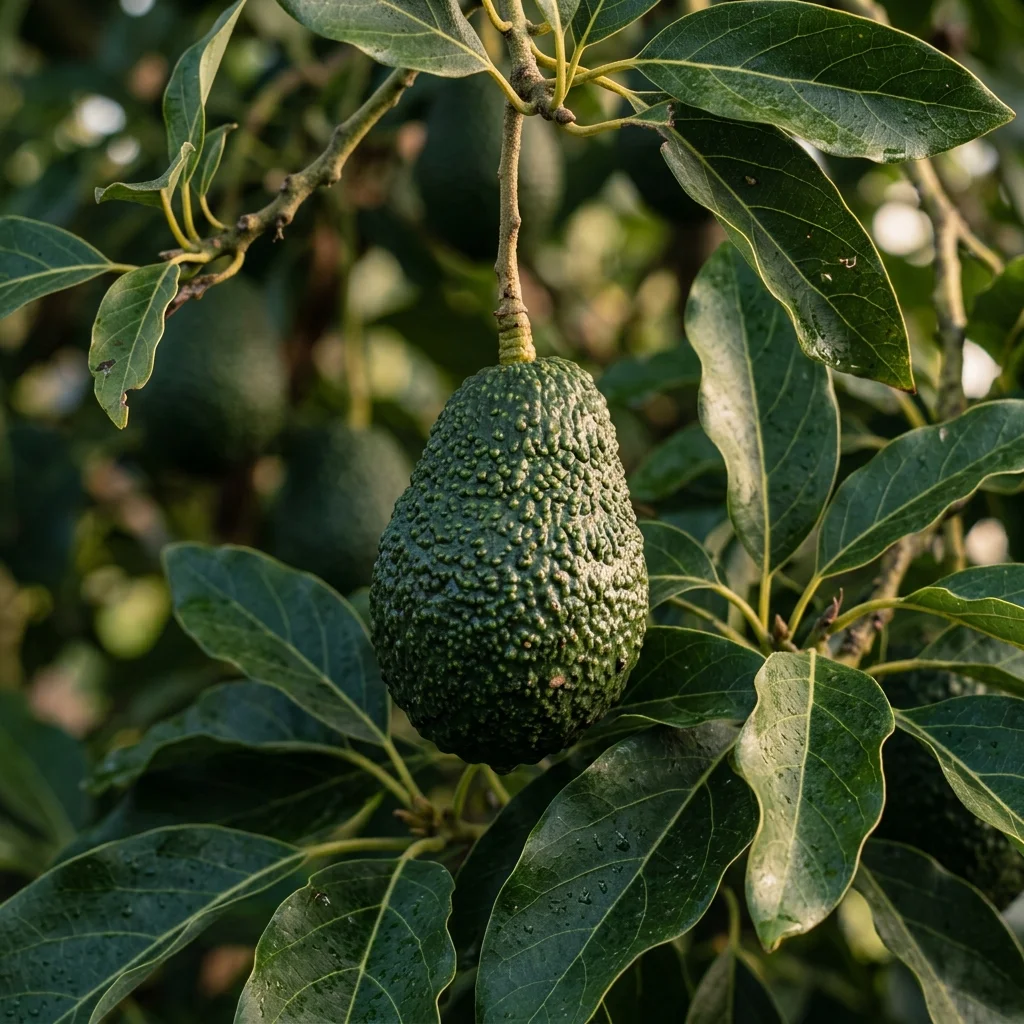
How to Identify Avocado
Avocado (Persea americana) is a highly valued edible crop globally. Recognizing its definitive vegetative and fruit/vegetable structures is key to successful companion growing and harvesting.
-
✔
Key Visual Features: Medium to large evergreen trees with a dense, rounded, dome-like foliage canopy.
-
✔
Leaf & Stems: Elliptic, leathery dark green leaves with anise-like aroma when crushed; tiny green-yellow panicle flowers.
-
✔
Fruit/Edible Part: Pear-shaped or oval drupes with thick, bumpy green-purple skin and a single large hard round seed.
Complete Growing & Harvesting Guide
Follow our detailed scientific agricultural cultivation guide to keep your Avocado thriving and high-yielding.
Common Diseases & Treatment
Phytophthora Root Rot
Symptoms: Foliage turns pale green-yellow, leaves wilt, branches die back from tips, and feeder roots turn black and brittle.
Avocado Sunblotch (Viroid)
Symptoms: Stems show yellow or red streaks, leaves become distorted with yellow variegation, and fruits develop sunken yellow-red scars.
Frequently Asked Questions
Why do my avocados fall off the tree while still hard?
Avocados must be harvested by hand while still hard. They only ripen, soften, and develop their buttery texture after being picked.
What are Type A and Type B avocados?
Avocados use a unique pollination system: Type A flowers open as female in the morning and male the next afternoon; Type B flowers do the reverse.
Can I grow Hass avocados in cold climates?
Hass is cold-sensitive (damaged below -1°C). In cold zones, plant hardy Mexican varieties like 'Bacon' or grow in greenhouse pots.
Are avocado leaves toxic to household pets?
Yes. Avocado leaves, bark, and seeds contain a toxin called persin, which is highly toxic to birds, rabbits, horses, and can cause mild stomach upset in cats and dogs.