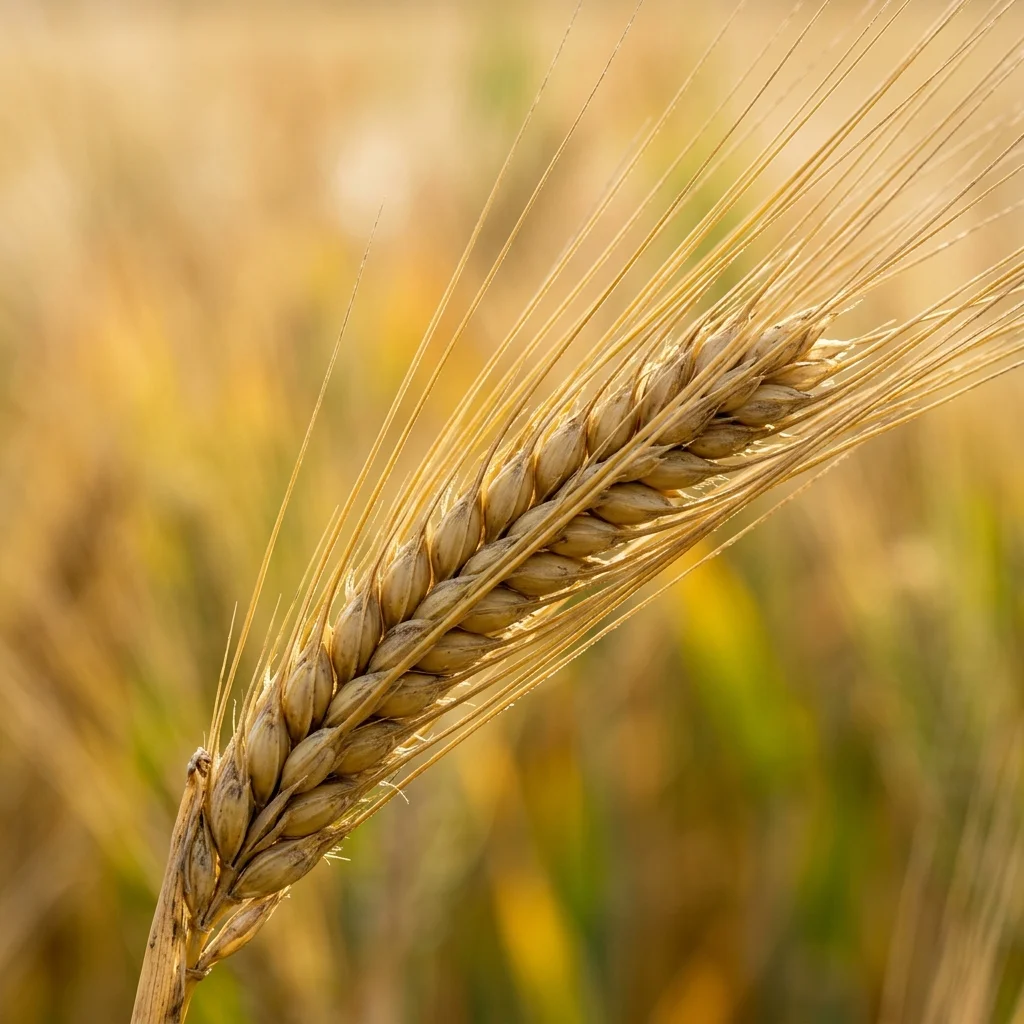
Hordeum vulgare

Barley Growing & Harvesting Guide

Barley (Hordeum vulgare), the fast-maturing wonder grain of agricultural history, is a highly resilient cereal crop. PRIZED for its outstanding salt tolerance and adaptability, this ancient grass produces grain spikes faster than wheat, thriving in cooler temperate conditions.


Sunlight Icon
Sunlight Full Sun (6+ hours)
Watering Icon
Watering Moderate / Regular
Soil Mix Icon
Soil pH Well-Drained Loam, Mildly Alkaline (pH 6.5-8.0)
Temperature Icon
Target Temp 8°C - 22°C
Toxicity Warning Icon
Toxicity Pet Friendly (Non-toxic)
Botanical macro photography of Barley (Hordeum vulgare) - Plant AI care database

How to Identify Barley

Barley (Hordeum vulgare) is a highly valued edible crop globally. Recognizing its definitive vegetative and fruit/vegetable structures is key to successful companion growing and harvesting.

  • Key Visual Features: Slender, erect, hollow grass stems growing 2 to 3 feet high in dense upright tufts.
  • Leaf & Stems: Grayish-green leaf blades; long, upright, parallel dry awns resembling a stiff brush.
  • Fruit/Edible Part: A terminal cylindrical spike containing neatly arranged rows of husk-bound grains.
💡 Plant AI Tip: Snap a photo with Plant AI to identify garden veggies and diagnose leaf spot diseases in 1 second.

Complete Growing & Harvesting Guide

Follow our detailed scientific agricultural cultivation guide to keep your Barley thriving and high-yielding.

Water moderately. Barley is highly drought-tolerant; avoid soggy soils which easily trigger root rots.
No pruning required. Allow stalks to grow in their natural, dense crop grass formations.
Apply balanced organic compost at sowing. Avoid high-nitrogen feeds which cause wheat/barley stalks to weaken and collapse (lodging).
Demands absolute full sun, requiring 6+ hours of direct daylight daily to drive robust spike and grain development.
Thrives in well-drained loam or clay-loam. Exceptionally tolerant of moderate soil salinity and alkaline conditions (pH 6.5-8.0).
Sow seeds 1 to 1.5 inches deep in early spring (or autumn for winter varieties), spaced 1 inch apart in rows 6 inches apart.
Thrives in cool temperate climates. Exhibits excellent frost tolerance; growth stops and heat stress occurs above 28°C.
Sow seeds densely (1 inch apart) in rows spaced 6 inches apart to optimize field space and choke out emerging weeds.
Prone to cereal aphids and wireworms. Treat soil with organic beneficial nematodes to control soil pests.
Susceptible to Net Blotch and Barley Yellow Dwarf Virus. Keep crop beds completely weed-free.
Harvest when stalks and spikes turn dry, pale yellow-straw colored, and grain kernels are rock-hard.

Is your Barley leaves turning yellow, spotted or dying?

Protect your kitchen garden. Take a photo with Plant AI to diagnose pests and crop diseases instantly.

Diagnose My Crop

Common Diseases & Treatment

Net Blotch (Pyrenophora)

Symptoms: Leaves develop brown spots with a unique dark criss-cross net-like pattern, causing foliage yellowing and reduced yields.

Action: Plant certified disease-free seed, rotate crops with non-grasses, and apply copper fungicide proactively.

Barley Yellow Dwarf Virus (BYDV)

Symptoms: Leaves turn brilliant yellow-red from the tips downward; plant is severely stunted and fails to produce grain heads.

Action: No cure. Proactively control aphid vectors (which transmit the virus) using organic soap spray and biological controls.

Frequently Asked Questions

What is the difference between two-row and six-row barley?

Two-row barley has two rows of kernels along the spike, producing larger, uniform grains prized for brewing. Six-row has six rows, yielding smaller, protein-rich grains.

Is barley more salt-tolerant than wheat?

Yes! Barley has outstanding tolerance to soil salinity and moderate drought, making it a valuable crop for marginal soil reclamation.

What causes crop 'lodging' in barley?

Lodging is the falling over of stalks due to high wind, heavy rain, or excessive nitrogen fertilizer making stalks top-heavy and weak.

Is barley grass safe for dogs and cats?

Yes! Young, sprouted green barley grass is completely non-toxic and highly beneficial for pets, aiding digestion and raw fiber intake.

Harvest bountiful greens. Grow healthy edibles today!

Get Started for Free