Broad Bean Growing & Harvesting Guide
Broad Bean (Vicia faba), the ancient and incredibly hardy fava bean, is a superb cool-season legume. Prized for its massive, buttery beans and outstanding cold tolerance, this upright annual acts as a brilliant cover crop, enriching soil nitrogen during the chilly winter months.





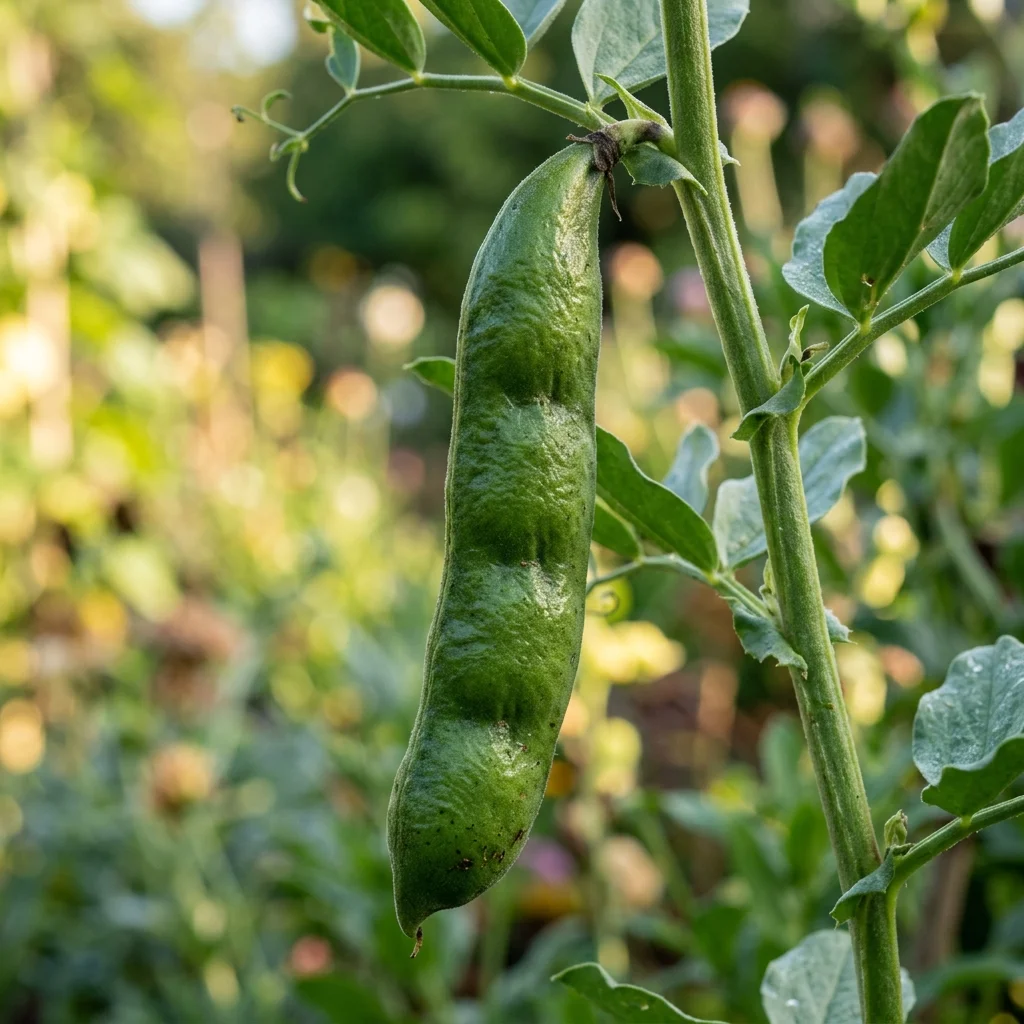
How to Identify Broad Bean
Broad Bean (Vicia faba) is a highly valued edible crop globally. Recognizing its definitive vegetative and fruit/vegetable structures is key to successful companion growing and harvesting.
-
✔
Key Visual Features: Robust, erect, unbranched square-stemmed annual plant, growing up to 5 feet high.
-
✔
Leaf & Stems: Fleshy grayish-green leaves; large white flowers with prominent black spots on petals.
-
✔
Fruit/Edible Part: Thick, leathery green pod lined with fluffy white down, enclosing large, flat, oval beans.
Complete Growing & Harvesting Guide
Follow our detailed scientific agricultural cultivation guide to keep your Broad Bean thriving and high-yielding.
Common Diseases & Treatment
Chocolate Spot (Botrytis)
Symptoms: Foliage develops small, circular dark brown chocolate-like spots, expanding into large aggressive leaf blights in humid conditions.
Broad Bean Rust (Uromyces)
Symptoms: Leaves develop small, rusty-brown pustules, turning yellow and dropping off prematurely under humid spring weather.
Frequently Asked Questions
Why do I pinch off the growing tips of broad beans?
Pinching stops the plant's terminal growth, which concentrates energy into pod sizing and removes the tender green tips that attract black aphids.
Can I grow broad beans as a winter cover crop?
Yes! Broad beans (fava beans) are excellent green manure. They have deep roots that break clay and fix massive amounts of nitrogen over winter.
Do I need to peel broad beans twice?
Yes, for mature beans. Pod the beans, boil them for 2 minutes, then slip off the tough outer leathery skin to reveal the bright green tender bean.
Are broad beans safe for pet cats and dogs?
Yes! Plain, cooked broad beans are safe and non-toxic to pets in small quantities, though they must be cooked to be digestible.