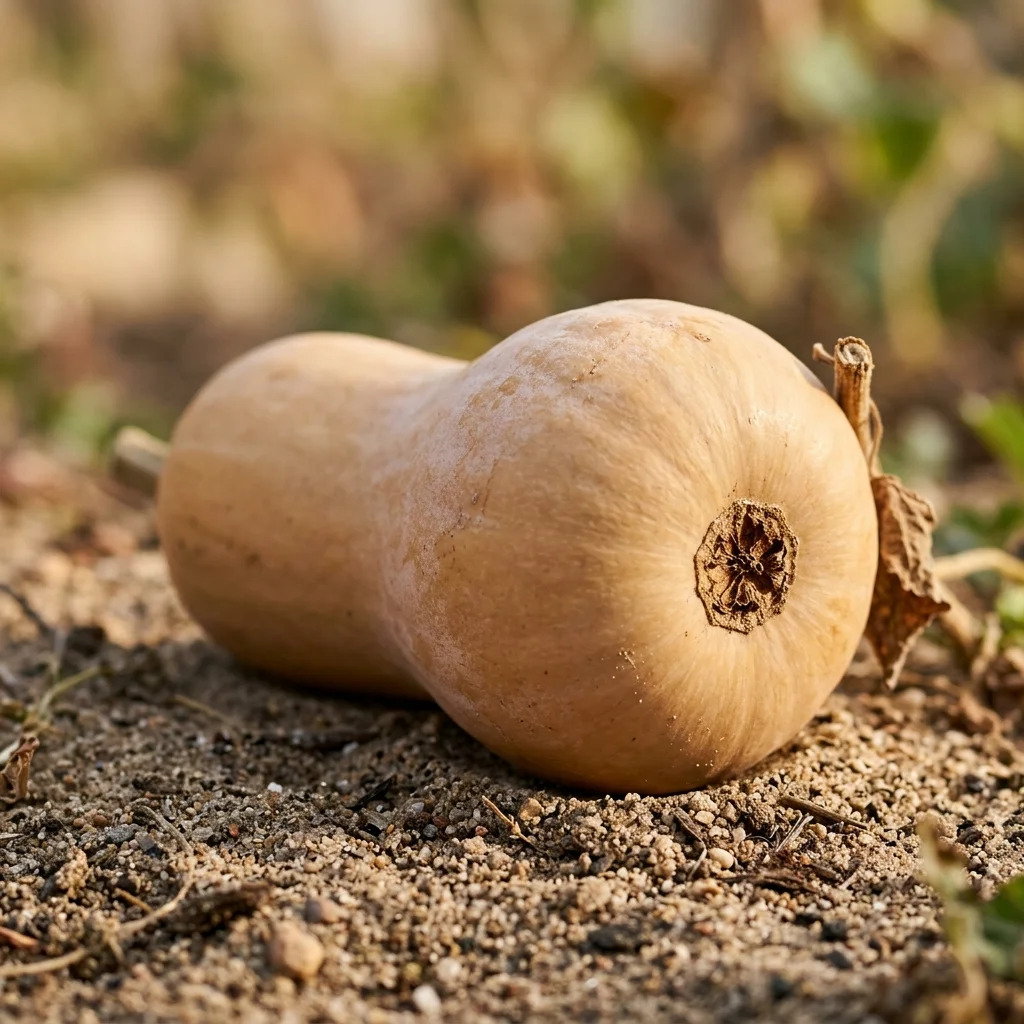
Cucurbita moschata

Butternut Squash Growing & Harvesting Guide

Butternut Squash (Cucurbita moschata) is the sweet, nutty champion of winter squashes. Highly valued for its long-storing qualities and rich orange flesh, this hardy trailing vine is highly resistant to vine borers and thrives under full summer heat, requiring sunshine and pre-storage curing.


Sunlight Icon
Sunlight Full Sun (6+ hours)
Watering Icon
Watering Deep / Regular
Soil Mix Icon
Soil pH Rich, Fast-Draining Loam (pH 6.0-6.8)
Temperature Icon
Target Temp 18°C - 32°C
Toxicity Warning Icon
Toxicity Pet Friendly (Non-toxic)
Botanical macro photography of Butternut Squash (Cucurbita moschata) - Plant AI care database

How to Identify Butternut Squash

Butternut Squash (Cucurbita moschata) is a highly valued edible crop globally. Recognizing its definitive vegetative and fruit/vegetable structures is key to successful companion growing and harvesting.

  • Key Visual Features: Sprawling trailing annual vine with hairy, deeply lobed green leaves and clinging tendrils.
  • Leaf & Stems: Sturdy, angular stems; bright yellow five-petaled bell-like unisexual flowers.
  • Fruit/Edible Part: Bell-shaped, smooth tan-colored fruit with deep orange, sweet, flesh and central seed cavity.
💡 Plant AI Tip: Snap a photo with Plant AI to identify garden veggies and diagnose leaf spot diseases in 1 second.

Complete Growing & Harvesting Guide

Follow our detailed scientific agricultural cultivation guide to keep your Butternut Squash thriving and high-yielding.

Water deeply at base, delivering 1 inch of water weekly. Maintain consistent moisture to prevent fruit split.
Prune excess leafy foliage late in the season to expose the maturing squashes to ripening sunlight.
Apply rich compost at planting. Side-dress with organic kelp meal once flowering begins to boost potassium levels.
Requires absolute full sun (6 to 8 hours direct sunlight daily) to build sugars in the developing fruit.
Thrives in fertile, deep, well-draining sandy loam enriched with compost (pH 6.0-6.8). Tolerates clay better than other squashes.
Plant in spring once frost is gone. Sow seeds 1 inch deep in mounds spaced 4 feet apart to allow sprawling vines.
Prefers warm summer heat. Extremely frost-sensitive; growth halts and damage occurs below 12°C.
Space mounds 4 feet apart. Vines sprawl vigorously; companion grow with sweet corn to utilize vertical space.
Relatively resistant to vine borers due to solid stems. Watch for squash bugs and cucumber beetles on leaf undersides.
Susceptible to Powdery Mildew and Black Rot. Avoid overhead sprinkler systems; irrigate using drip hoses.
Harvest in autumn before heavy frost when the rind turns a uniform tan and is hard enough that your fingernail cannot pierce it.

Is your Butternut Squash leaves turning yellow, spotted or dying?

Protect your kitchen garden. Take a photo with Plant AI to diagnose pests and crop diseases instantly.

Diagnose My Crop

Common Diseases & Treatment

Black Rot (Didymella)

Symptoms: Leaves develop water-soaked spots; maturing fruit develops large, dark, sunken concentric rings that turn into dry black decay.

Action: Avoid high humidity, practice 3-year crop rotation, sterilize harvesting shears, and spray copper fungicide early.

Gummy Stem Blight (Didymella)

Symptoms: Stems show pale brown cracks exuding a sticky amber gum, leading to leaf drop and vine collapse.

Action: Control beetle damage, apply preventative organic fungicides, and remove infected vines immediately.

Frequently Asked Questions

Why is curing butternut squash so important?

Curing (drying squashes in the sun for 10-14 days) hardens the skin to prevent decay and converts starch into sweet sugar.

How long can I store harvested butternut squashes?

If properly cured and kept in a cool, dry room (10-15°C), butternut squashes will store perfectly for 6 to 9 months.

Why are my squash vines not attracting bees for pollination?

High pesticide use or lack of nearby companion flowers limits bees. Plant sweet alyssum or dill nearby to attract pollinators.

Is butternut squash safe for dogs and cats?

Yes! Cooked, plain butternut squash is highly nutritious for pets, packed with beta-carotene, potassium, and beneficial dietary fiber.

Harvest bountiful greens. Grow healthy edibles today!

Get Started for Free