Apium graveolens var. rapaceum

Celeriac Growing & Harvesting Guide

Celeriac (Apium graveolens var. rapaceum), the earthy gnarled treasure of winter root cellars, is a highly rewarding crop. Prized for its massive, celery-flavored bulbous root crown and outstanding storage durability, this slow-growing biennial demands long seasons, fertile beds, and lower leaf pruning.


Sunlight Icon
Sunlight Full Sun (6+ hours)
Watering Icon
Watering High / Consistent
Soil Mix Icon
Soil pH Rich, Heavy Loam, High-Compost (pH 6.0-6.8)
Temperature Icon
Target Temp 15°C - 24°C
Toxicity Warning Icon
Toxicity Pet Friendly (Non-toxic)
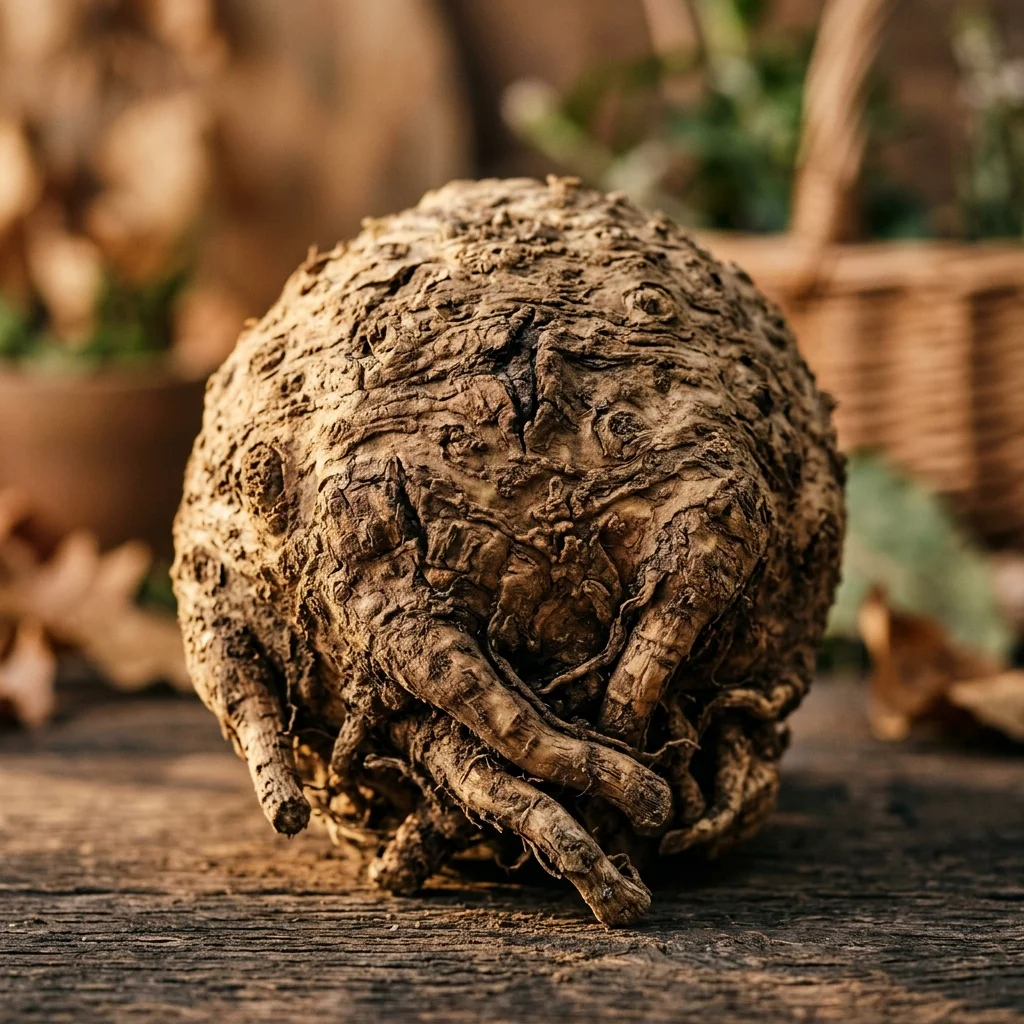
Botanical macro photography of Celeriac (Apium graveolens var. rapaceum) - Plant AI care database

How to Identify Celeriac

Celeriac (Apium graveolens var. rapaceum) is a highly valued edible crop globally. Recognizing its definitive vegetative and fruit/vegetable structures is key to successful companion growing and harvesting.

  • Key Visual Features: Low-growing rosette of dark green compound leaves resembling celery stalks.
  • Leaf & Stems: A thick, swollen, woody hypocotyl forming a rough gnarled crown at the soil surface.
  • Fruit/Edible Part: A large, globular, rough brown bulbous root crown with a dense white fleshy celery-flavored interior.
💡 Plant AI Tip: Snap a photo with Plant AI to identify garden veggies and diagnose leaf spot diseases in 1 second.

Complete Growing & Harvesting Guide

Follow our detailed scientific agricultural cultivation guide to keep your Celeriac thriving and high-yielding.

Water regularly, delivering 1.5 inches of water weekly. Celeriac has a shallow root system; dry soil stops bulb expansion.
Prune away lower drooping leaves around the base. This exposes the top crown of the bulb, encouraging wider expansion.
Extremely heavy feeder. Amend soil with organic manure before transplanting; feed fish emulsion every 3 weeks.
Requires absolute full sun (6+ hours daily) to support the long 200-day photosynthetic growing season.
Prefers deeply dug, highly fertile loam packed with organic compost and aged manure that retains moisture perfectly (pH 6.0-6.8).
Start seeds indoors 10 weeks before frost. Sow seeds on soil surface (light-requiring). Transplant carefully in mid-spring.
Cool-season crop. Prefers temperatures between 15°C and 24°C; extremely cold weather below 8°C triggers bolting.
Space transplants 12 inches apart in rows 18 inches apart to allow sufficient space for crown swelling.
Prone to celery caterpillars, aphids, and carrot rust flies. Apply floating organic row covers proactively.
Susceptible to Septoria Leaf Spot and Scab. Ensure excellent bed hygiene and crop rotation.
Harvest in late autumn after the first light frost when the gnarled root bulb is 3 to 4 inches in diameter.

Is your Celeriac leaves turning yellow, spotted or dying?

Protect your kitchen garden. Take a photo with Plant AI to diagnose pests and crop diseases instantly.

Diagnose My Crop

Common Diseases & Treatment

Septoria Late Blight (Septoria)

Symptoms: Foliage developments numerous small, circular brown spots with tiny black dots (fruiting bodies), causing leaf yellowing and rot.

Action: Water soil directly, avoid working with wet plants, plant certified seed, and spray copper fungicide proactively.

Root Scab (Streptomyces)

Symptoms: The gnarled outer skin of the swollen root bulb develops dry, corky, dark brown scabby lesions, degrading look and storage.

Action: Maintain highly consistent soil moisture; avoid highly alkaline soils, and rotate crops with legumes.

Frequently Asked Questions

Why is my celeriac bulb remaining small and woody?

Celeriac requires a long 200-day season with high moisture and heavy feeding. Dry soil, nitrogen deficiency, or overcrowding stops bulb expansion.

Should I cut the lower leaves of celeriac?

Yes! As celeriac grows, prune away the outer, lower drooping leaves. This exposes the top crown of the bulb, triggering wider growth.

How do I peel and prepare gnarled celeriac for cooking?

Cut off top leaves and root base, then use a sharp chef's knife to slice away the rough, gnarled brown skin, exposing the white interior.

Is celeriac safe for dogs and cats to eat?

Yes! Plain, cooked celeriac is completely safe and non-toxic for dogs and cats, offering a healthy celery-flavored source of dietary fiber.

Harvest bountiful greens. Grow healthy edibles today!

Get Started for Free