Solanum lycopersicum var. cerasiforme

Cherry Tomato Growing & Harvesting Guide

Cherry Tomato (Solanum lycopersicum var. cerasiforme) is the sweet, high-yielding gem of the kitchen garden. Famous for producing massive clusters of bite-sized, incredibly sugary round fruits, this prolific vining nightshade is perfect for beginner gardeners.


Sunlight Icon
Sunlight Full Sun (6-8 hours)
Watering Icon
Watering Deep / Consistent
Soil Mix Icon
Soil pH Rich Loam (pH 6.0-6.8)
Temperature Icon
Target Temp 20°C - 32°C
Toxicity Warning Icon
Toxicity Toxic to Pets (Foliage)
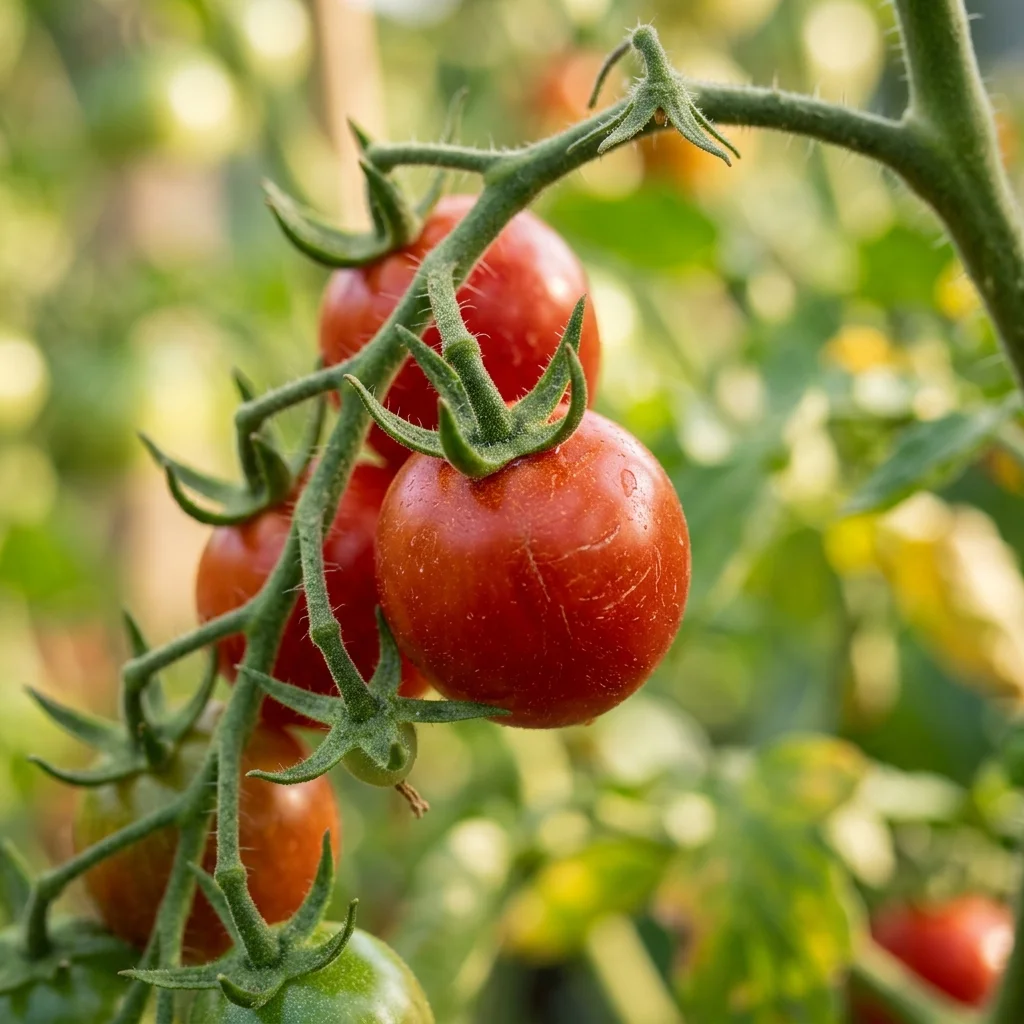
Botanical macro photography of Cherry Tomato (Solanum lycopersicum var. cerasiforme) - Plant AI care database

How to Identify Cherry Tomato

Cherry Tomato (Solanum lycopersicum var. cerasiforme) is a highly valued edible crop globally. Recognizing its definitive vegetative and fruit/vegetable structures is key to successful companion growing and harvesting.

  • Key Visual Features: Fast-growing, sprawling green vines requiring secure trellising or large wire cages.
  • Leaf & Stems: Finely divided serrated green leaves; clusters of small yellow star-like flowers.
  • Fruit/Edible Part: Massive hanging clusters of small, globose fruits (1-2 cm) turning bright red or orange.
💡 Plant AI Tip: Snap a photo with Plant AI to identify garden veggies and diagnose leaf spot diseases in 1 second.

Complete Growing & Harvesting Guide

Follow our detailed scientific agricultural cultivation guide to keep your Cherry Tomato thriving and high-yielding.

Irrigate consistently, providing 1-1.5 inches of water weekly. Keep soil evenly moist to ensure high sugars in fruits.
In indeterminate varieties, prune lower suckers to maintain 1-2 main vining stems. Tie stems to climbing stakes.
Feed every 2 weeks with a balanced organic liquid fish emulsion or tomato food once flowering begins.
Demands full, hot, direct sun for at least 6-8 hours daily. Shaded locations result in sparse, watery fruits.
Highly fertile, compost-rich, fast-draining garden soil. Prefers a pH between 6.0 and 6.8.
Sow indoors 6 weeks before final frost. Transplant deep in the soil, spaced 18-24 inches apart in warm weather.
Thrives in warm climates (20°C-32°C). Protect from late spring or early autumn frosts below 8°C.
Space plants 18-24 inches apart. Cherry tomatoes sprawl rapidly; secure support cages early to prevent ground contact.
Prone to tomato fruitworms, aphids, and hornworms. Use insecticidal soap or plant companion basil.
Susceptible to powdery mildew and blight. Prune lower foliage up to 12 inches off the ground to improve aeration.
Pluck individual cherry tomatoes when they are firm, fully colored, and pull away from the green calyx with a gentle tug.

Is your Cherry Tomato leaves turning yellow, spotted or dying?

Protect your kitchen garden. Take a photo with Plant AI to diagnose pests and crop diseases instantly.

Diagnose My Crop

Common Diseases & Treatment

Powdery Mildew

Symptoms: White, flour-like fungal coating spreads across leaf surfaces, causing leaves to dry up and drop.

Action: Improve spacing for airflow, avoid wetting leaves, and spray with organic potassium bicarbonate solution.

Fruit Cracking

Symptoms: Circular or vertical splits appear near the stem of mature fruits after heavy, erratic watering.

Action: Mulch soil heavily to maintain steady root zone moisture and harvest slightly early if heavy rain is forecast.

Frequently Asked Questions

Do I need to prune cherry tomatoes as heavily as beefsteaks?

No. Cherry tomatoes can be left to grow bushier, but removing bottom suckers helps prevent soil-borne fungal blight diseases.

Why is my cherry tomato plant growing massive but producing no flowers?

Too much nitrogen fertilizer triggers vegetative leaf growth at the expense of blossoms. Switch to a high-phosphorus organic fertilizer.

How many cherry tomatoes can one plant produce?

A healthy indeterminate cherry tomato vine can yield between 200 to 300 sweet, bite-sized fruits over a single summer season.

Are unripe green cherry tomatoes toxic to dogs?

Yes. Both green leaves and unripe green fruits contain higher concentrations of solanine, which is toxic to dogs and cats.

Harvest bountiful greens. Grow healthy edibles today!

Get Started for Free