Cherry Growing & Harvesting Guide
Cherry (Prunus avium), the sparkling jewel of the summer orchard, is highly prized for its incredibly sweet, deep-red glossy stone fruits. Thriving in cool, temperate climates, this stunning deciduous tree is an aesthetic and culinary masterpiece.





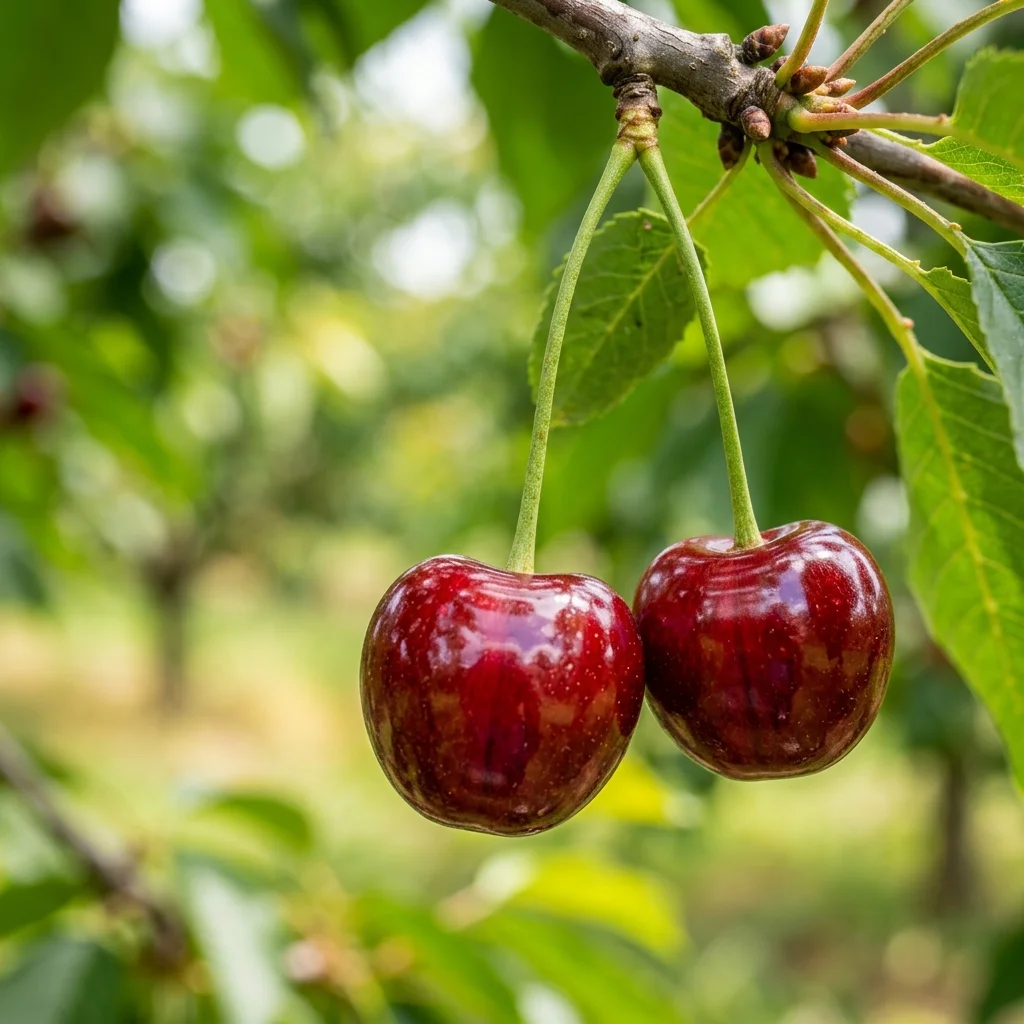
How to Identify Cherry
Cherry (Prunus avium) is a highly valued edible crop globally. Recognizing its definitive vegetative and fruit/vegetable structures is key to successful companion growing and harvesting.
-
✔
Key Visual Features: Large deciduous trees with smooth, shiny gray-brown bark and horizontal rings.
-
✔
Leaf & Stems: Drooping oval leaves with double-serrated margins; massive clusters of white blossoms.
-
✔
Fruit/Edible Part: Small, globose long-stemmed heart-shaped drupes turning glossy deep red to black.
Complete Growing & Harvesting Guide
Follow our detailed scientific agricultural cultivation guide to keep your Cherry thriving and high-yielding.
Common Diseases & Treatment
Bacterial Canker
Symptoms: Trunk and limbs develop sunken lesions oozing thick amber-colored gum, accompanied by leaf spot holes.
Cherry Leaf Spot (Fungal)
Symptoms: Leaves develop small purple spots that turn brown and drop out, leaving shot-holes before leaf drops.
Frequently Asked Questions
Why are my sweet cherries cracking open on the tree?
Heavy rainfall right before harvest causes sweet cherries to rapidly absorb water through their skins, splitting them. Harvest early if rain threatens.
Do I need to plant two cherry trees?
Most sweet cherry varieties (like Bing) are self-sterile and require a compatible pollinator tree. Sour cherries (like Montmorency) are self-fertile.
How can I protect my cherries from birds?
Birds will strip a cherry tree overnight. Use high-quality nylon bird netting to physically cover the tree canopy as soon as fruit turns pink.
Are cherry leaves highly toxic to horses and dogs?
Yes. Wilted cherry leaves and crushed pits contain prunasin, a cyanogenic compound that is extremely toxic, causing rapid respiratory distress.