Glycine max

Edamame Growing & Harvesting Guide

Edamame (Glycine max), the delicious green soybean of summer gardens, is a highly nutritious and productive legume. Famous for its fiber-rich pods and atmospheric nitrogen-fixing capabilities, this bushy warm-season annual demands full sun, warm soils, and precise pod-harvest timing.


Sunlight Icon
Sunlight Full Sun (6+ hours)
Watering Icon
Watering Moderate / Regular
Soil Mix Icon
Soil pH Sandy Loam, Free-Draining (pH 6.0-6.8)
Temperature Icon
Target Temp 20°C - 32°C
Toxicity Warning Icon
Toxicity Pet Friendly (Non-toxic)
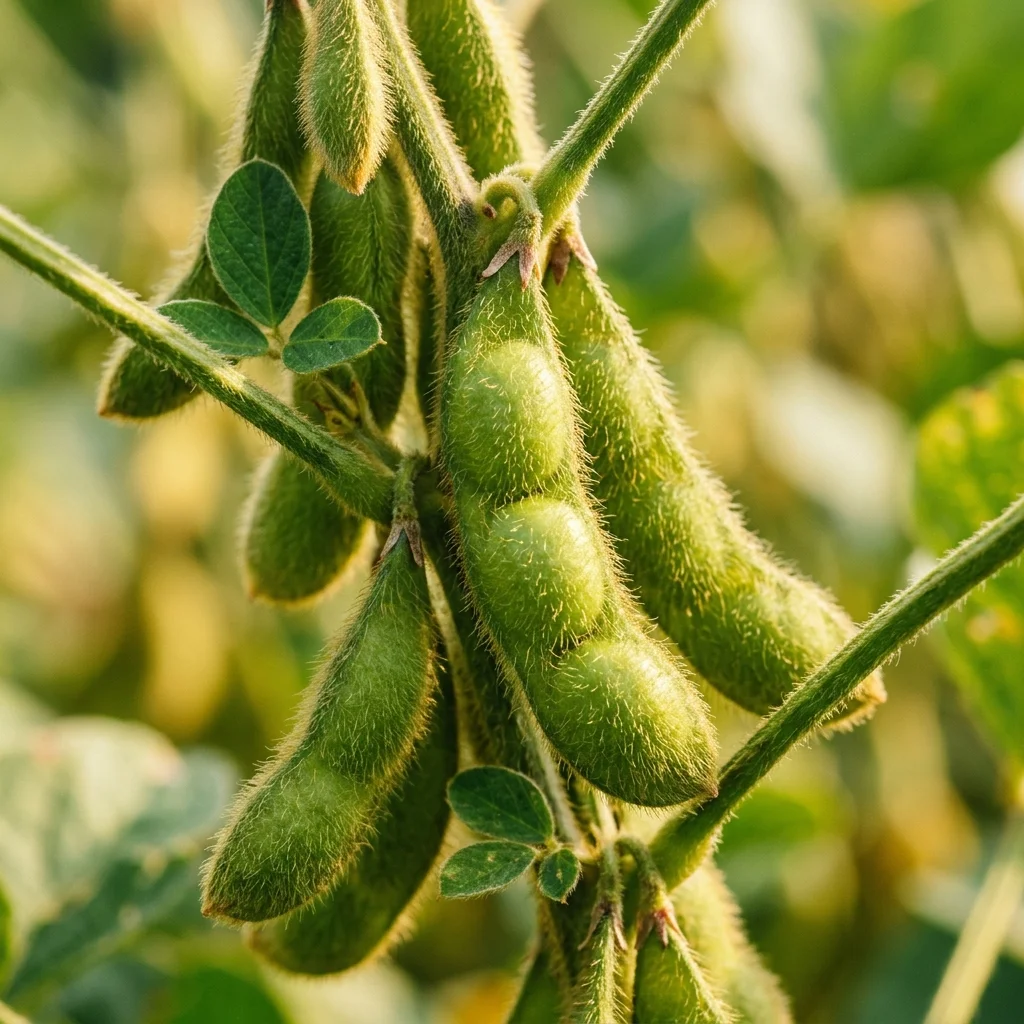
Botanical macro photography of Edamame (Glycine max) - Plant AI care database

How to Identify Edamame

Edamame (Glycine max) is a highly valued edible crop globally. Recognizing its definitive vegetative and fruit/vegetable structures is key to successful companion growing and harvesting.

  • Key Visual Features: Erect, bushy annual plant covered in fine, fuzzy hair-like trichomes.
  • Leaf & Stems: Trifoliate leaves; tiny white or pale lavender blossoms tucked in leaf axils.
  • Fruit/Edible Part: Fuzzy green pods containing 2 to 3 round, plump, bright green seeds.
💡 Plant AI Tip: Snap a photo with Plant AI to identify garden veggies and diagnose leaf spot diseases in 1 second.

Complete Growing & Harvesting Guide

Follow our detailed scientific agricultural cultivation guide to keep your Edamame thriving and high-yielding.

Water regularly, delivering 1 inch of water weekly. Maintain consistent moisture during bean swelling phase.
No pruning is necessary. The plant grows in a compact, self-supporting bushy structure.
Low nitrogen requirement due to nitrogen-fixing roots. Apply balanced compost or bone meal early in the season.
Requires absolute full sun (6+ hours daily) to fuel photosynthesis and maximize heavy pod set.
Thrives in deeply worked, loose sandy loam that drains exceptionally well (pH 6.0-6.8). Highly sensitive to waterlogging.
Direct sow seeds 1 inch deep in spring after soil warms to 18°C. Inoculate seeds with Rhizobium bacteria for best results.
Warm-season crop. Prefers temperatures between 20°C and 32°C; plants suffer and fail to set pods below 15°C.
Space seeds 4 inches apart in rows spaced 2 feet apart to allow full bushy leaf development and sunlight penetration.
Prone to stink bugs and Japanese beetles. Handpick beetles and apply organic row covers early in the season.
Susceptible to Soybean Rust and Root Rot. Practice 3-year crop rotation and keep base beds free of weeds.
Harvest at the 'R6' stage: when pods are bright green, plump, and full, but before they turn yellow and dry.

Is your Edamame leaves turning yellow, spotted or dying?

Protect your kitchen garden. Take a photo with Plant AI to diagnose pests and crop diseases instantly.

Diagnose My Crop

Common Diseases & Treatment

Soybean Rust (Phakopsora)

Symptoms: Tiny, raised tan pustules develop on leaf undersides, progressing into yellowing, leaf shriveling, and massive defoliation.

Action: Ensure excellent spacing for air circulation, avoid working with wet leaves, and spray proactive organic copper fungicide.

Damping Off (Pythium)

Symptoms: Young seedlings rot at the soil line, fall over, and die rapidly, commonly occurring in cold, soggy early spring soils.

Action: Delay sowing until soil is warm, use well-draining beds, and avoid early overwatering.

Frequently Asked Questions

How can I tell when my edamame is ready to harvest?

Harvest when the green pods are plump, swollen, and filled with beans, but still bright green. If pods turn yellow, they are past the edamame stage.

Do edamame soybean plants require stakes or trellises?

No. Edamame grows as a sturdy, upright, self-supporting bush, so it does not require climbing stakes or trellis netting.

Can I eat raw edamame pods directly?

No. Edamame pods are extremely tough, fuzzy, and indigestible. You must boil or steam the pods in salted water before shelling the inner beans.

Is edamame safe for dogs and cats to eat?

Yes! Shelled, plain cooked edamame beans are entirely non-toxic to pets and make a high-protein, fiber-rich occasional snack for dogs.

Harvest bountiful greens. Grow healthy edibles today!

Get Started for Free