Foeniculum vulgare var. dulce

Florence Fennel Growing & Harvesting Guide

Florence Fennel (Foeniculum vulgare var. dulce), the sweet anise-scented jewel of the Mediterranean, is a highly rewarding crop. Prize-winning for its crisp, swollen leaf-base bulbs and feathery foliage, this unique aromatic biennial demands cool weather, high water, and bulb-hilling care.


Sunlight Icon
Sunlight Full Sun (6+ hours)
Watering Icon
Watering High / Regular
Soil Mix Icon
Soil pH Rich, Moisture-Retentive Sandy Loam (pH 6.5-7.5)
Temperature Icon
Target Temp 12°C - 24°C
Toxicity Warning Icon
Toxicity Pet Friendly (Non-toxic)
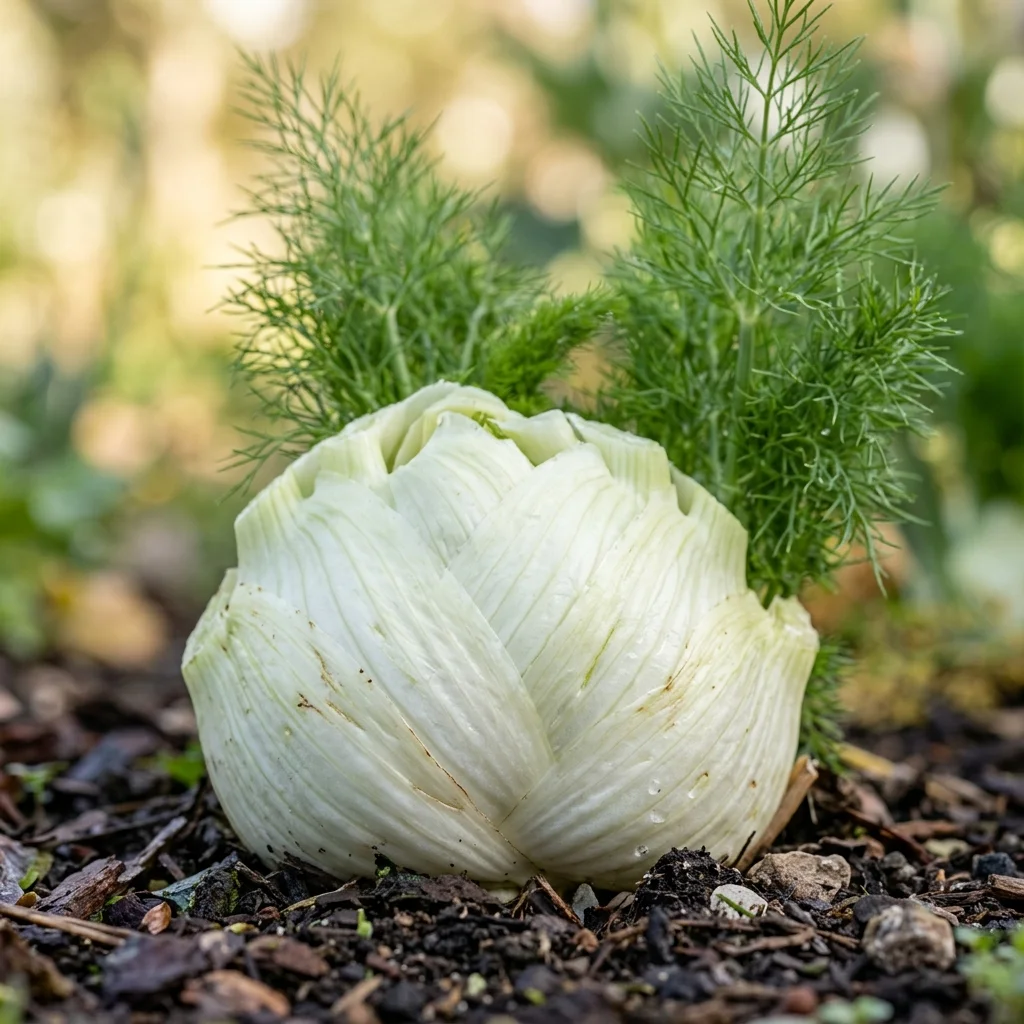
Botanical macro photography of Florence Fennel (Foeniculum vulgare var. dulce) - Plant AI care database

How to Identify Florence Fennel

Florence Fennel (Foeniculum vulgare var. dulce) is a highly valued edible crop globally. Recognizing its definitive vegetative and fruit/vegetable structures is key to successful companion growing and harvesting.

  • Key Visual Features: Erect herbaceous plant with feathery, dill-like light green foliage.
  • Leaf & Stems: Thick, overlapping leaf stalks forming a tight, swollen bulb-like base at soil level.
  • Fruit/Edible Part: A pale green to white swollen bulb with a crisp, succulent texture and sweet anise aroma.
💡 Plant AI Tip: Snap a photo with Plant AI to identify garden veggies and diagnose leaf spot diseases in 1 second.

Complete Growing & Harvesting Guide

Follow our detailed scientific agricultural cultivation guide to keep your Florence Fennel thriving and high-yielding.

Water regularly once a week, providing 1.5 inches of water. Dry soil causes bulbs to become tough, fibrous, and bolting.
Prune away early spring flower stems to prevent bolting. Snip feathery fronds lightly as a fresh herb.
Apply rich compost at planting. Side-dress with balanced organic fish emulsion every 3 weeks to support rapid foliage growth.
Requires absolute full sun, minimum 6 to 8 hours daily. Vital to develop rich sugars and aromatic oils in bulbs.
Prefers deep, rich, moisture-retaining sandy loam heavily enriched with aged compost (pH 6.5-7.5).
Sow seeds 0.5 inch deep directly in early spring or mid-summer. Florence fennel does not transplant well due to taproots.
Cool-season crop. Prefers temperatures between 12°C and 24°C; plants bolt rapidly in mid-summer heat.
Space plants 10 inches apart. Hill up soil around the developing bulbs (pile dirt up to 3 inches) to blanch and sweeten them.
Watch for fennel aphids and parsleyworms. Handpick worms and spray aphids with organic insecticidal soap.
Susceptible to Root Rot and Powdery Mildew. Maintain excellent drainage and avoid overhead sprinklers.
Harvest when the swollen bulb is about 3 inches in diameter (tennis ball size), cutting at the soil line.

Is your Florence Fennel leaves turning yellow, spotted or dying?

Protect your kitchen garden. Take a photo with Plant AI to diagnose pests and crop diseases instantly.

Diagnose My Crop

Common Diseases & Treatment

Sclerotinia Crown Rot (Sclerotinia)

Symptoms: Bulb bases develop a watery soft rot covered in a white cottony fungal growth, turning bulb tissue brown and mushy.

Action: Improve soil drainage, practice crop rotation, and avoid planting too deep in compacted soil beds.

Powdery Mildew (Erysiphe)

Symptoms: Feathery leaf fronds develop a dusty white fungal coating, causing foliage to turn yellow, dry up, and die back.

Action: Maximize spacing for air movement, water soil base directly, and spray organic sulfur fungicide proactively.

Frequently Asked Questions

Why did my Florence fennel bulb grow thin and tall without swelling?

This is commonly caused by crowding, mid-summer heat stress, or transplant shock. Florence fennel must be direct sown and thinned.

What is the purpose of hilling Florence fennel bulbs?

Hilling (piling moist soil around the bulb as it swells) blocks sunlight, keeping the bulb white, tender, sweet, and crisp.

Are the feathery fronds of Florence fennel edible?

Yes! The light green feathery fronds make a fantastic fresh culinary herb with a sweet, aromatic licorice-like flavor.

Is Florence fennel safe for pet cats and dogs?

Yes! Florence fennel is completely non-toxic and safe for pets. Fennel seed extracts are actually used in organic pet digestion remedies.

Harvest bountiful greens. Grow healthy edibles today!

Get Started for Free