Kiwi Fruit Growing & Harvesting Guide
Kiwi Fruit (Actinidia deliciosa) is the spectacular, high-climbing emerald of the home garden. Prize-winning for its incredibly sweet, vibrant green drupe-like berries and exotic fuzzy skins, this fast-growing deciduous woody vine brings tropical flair to temperate zones.





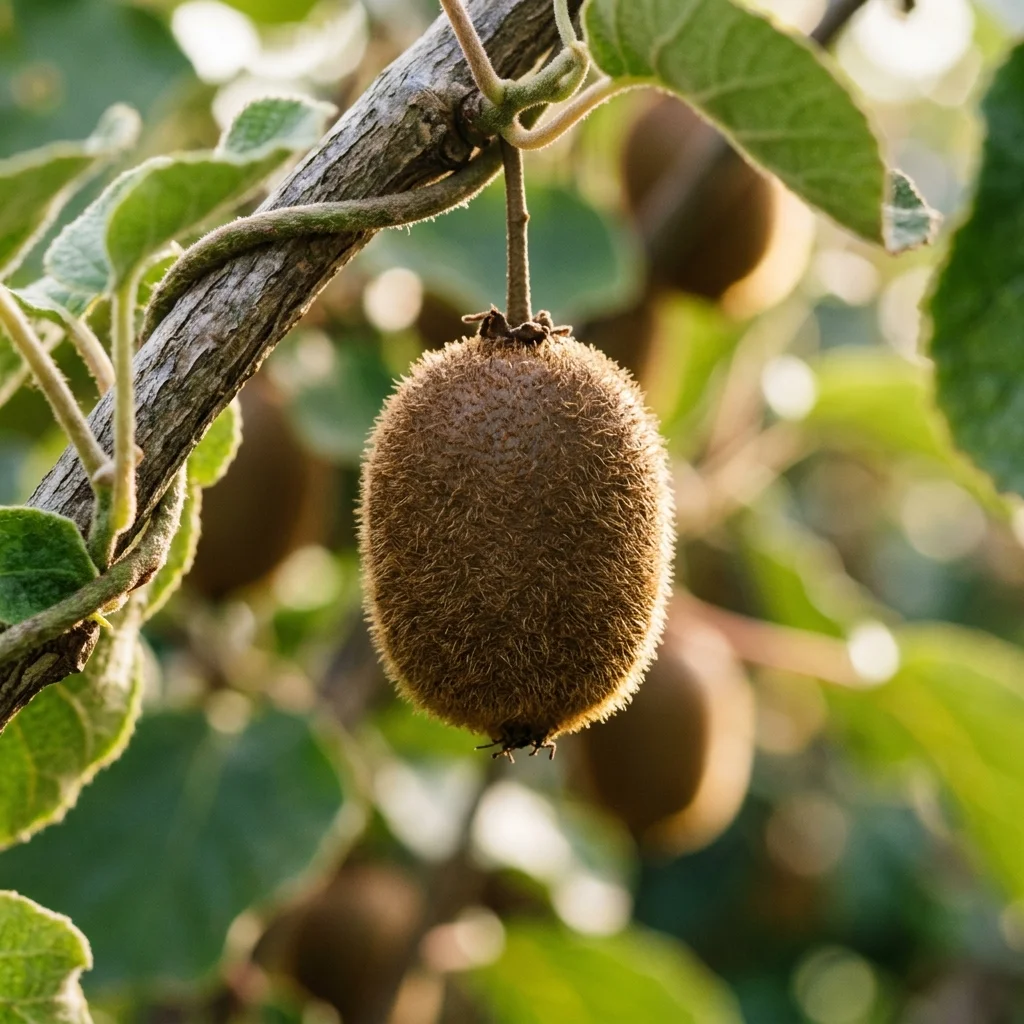
How to Identify Kiwi Fruit
Kiwi Fruit (Actinidia deliciosa) is a highly valued edible crop globally. Recognizing its definitive vegetative and fruit/vegetable structures is key to successful companion growing and harvesting.
-
✔
Key Visual Features: Deciduous woody climbing vines sprawling rapidly via thick twining green stems.
-
✔
Leaf & Stems: Large, heart-shaped green leaves with fuzzy red veins; creamy white-yellow spring blossoms.
-
✔
Fruit/Edible Part: Oval brown fruits covered in coarse fuzzy hair, filled with emerald-green pulp and tiny black seeds.
Complete Growing & Harvesting Guide
Follow our detailed scientific agricultural cultivation guide to keep your Kiwi Fruit thriving and high-yielding.
Common Diseases & Treatment
Botrytis Fruit Rot (Gray Mold)
Symptoms: Foliage and ripening kiwis develop fuzzy gray mold coating, causing fruit shriveling and decay.
Phytophthora Crown Rot
Symptoms: Vine leaves turn yellow, wilt rapidly during hot afternoons, and the vine stem base turns brown and rots.
Frequently Asked Questions
Why is my kiwi vine not producing fruit?
Kiwi vines are dioecious, meaning you must plant at least one male vine for every 1-8 female vines to ensure cross-pollination.
How long does it take for a kiwi vine to fruit?
Young kiwi vines typically take 3-5 years to produce their first crop after planting, reaching full yield by year 8.
Can I grow kiwi fruit from seeds?
You can, but it is not recommended. Seed-grown kiwis take up to 10 years to fruit and are unpredictable. Use grafted cuttings instead.
Is kiwi fruit safe for dogs and cats?
Yes! Kiwi fruit pulp is safe and highly nutritious for dogs in moderation. Remove the fuzzy outer brown skin before feeding.