Lemon Growing & Harvesting Guide
Lemon (Citrus limon) is the tangy, sun-drenched superstar of the home citrus grove. Famed for its highly acid, bright yellow fruits and sweet-scented blossoms, this compact evergreen tree produces abundant multiple crops throughout the year.





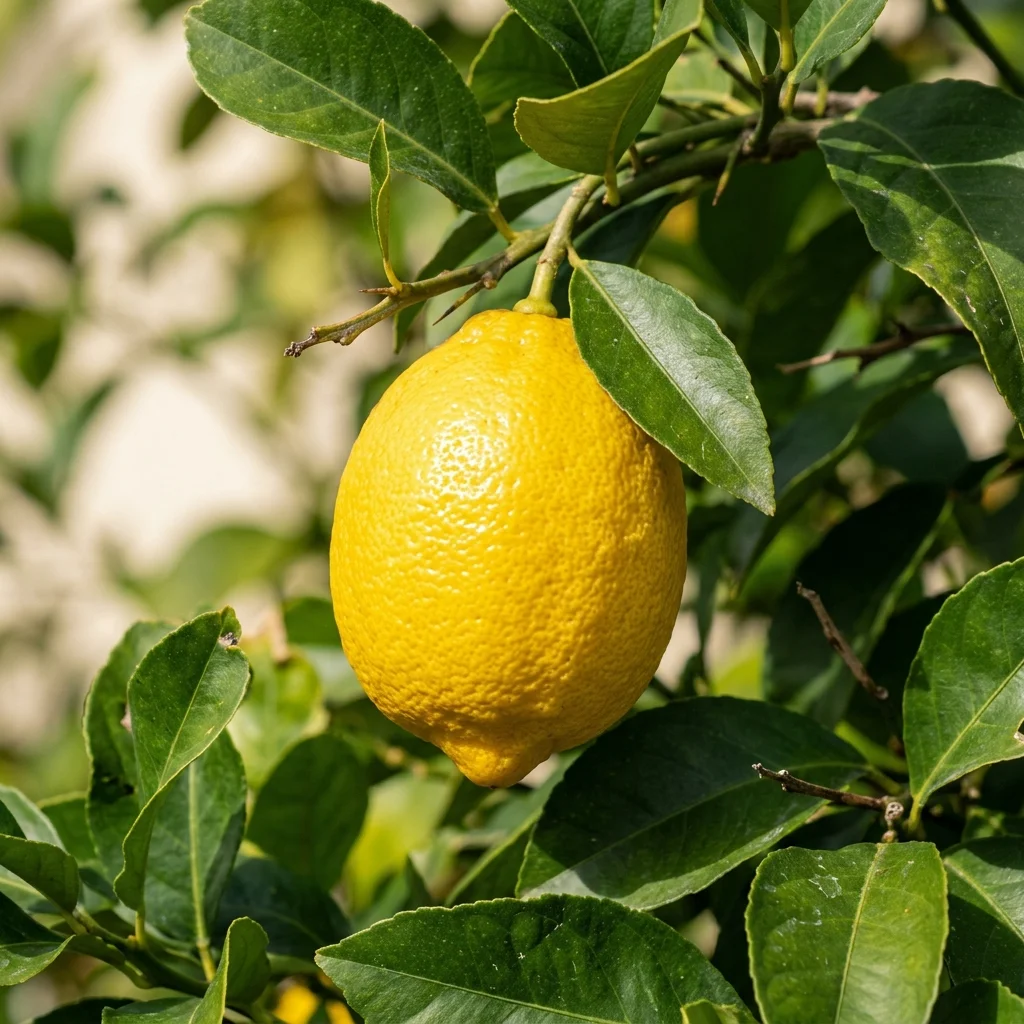
How to Identify Lemon
Lemon (Citrus limon) is a highly valued edible crop globally. Recognizing its definitive vegetative and fruit/vegetable structures is key to successful companion growing and harvesting.
-
✔
Key Visual Features: Small evergreen trees with spreading thorny branches and light green foliage.
-
✔
Leaf & Stems: Oblong leaves with finely serrated margins; reddish flower buds opening to white-purple petals.
-
✔
Fruit/Edible Part: Oval hesperidium fruits with pointed ends, bright yellow dimpled oily rinds, and highly acidic pulp.
Complete Growing & Harvesting Guide
Follow our detailed scientific agricultural cultivation guide to keep your Lemon thriving and high-yielding.
Common Diseases & Treatment
Sooty Mold (Fungal)
Symptoms: Black, charcoal-like powdery coating covers leaves and fruits, blocking sunlight and reducing vine photosynthesis.
Root Rot (Phytophthora)
Symptoms: Leaves wilt, turn bright yellow, twigs die back, and the lower trunk bark turns brown and slimy.
Frequently Asked Questions
Why are my lemon tree leaves turning yellow with green veins?
This is chlorosis, a classic citrus nutrient deficiency caused by lack of iron or nitrogen, often triggered by overwatering. Apply chelated iron.
How often does a lemon tree bear fruit?
Improved varieties (like Meyer) can bloom and produce fruit year-round, with peak harvest occurring in winter and spring.
Are Meyer lemons different from regular lemons?
Yes! Meyer lemons are a hybrid with mandarin oranges, featuring thinner skin, darker orange-yellow color, and a sweeter, less acidic juice.
Are lemon peels dangerous to cats?
Yes. Lemon peels contain d-limonene and psoralens, which are highly irritating to feline digestive systems, causing vomiting and lethargy.