Lettuce Growing & Harvesting Guide
Lettuce (Lactuca sativa) is the crisp, refreshing heart of the home salad garden. Famed for its highly tender, jade-green leaves and rapid growth, this cool-season annual thrives under consistent moisture and brings instant fresh crunch to the kitchen table.





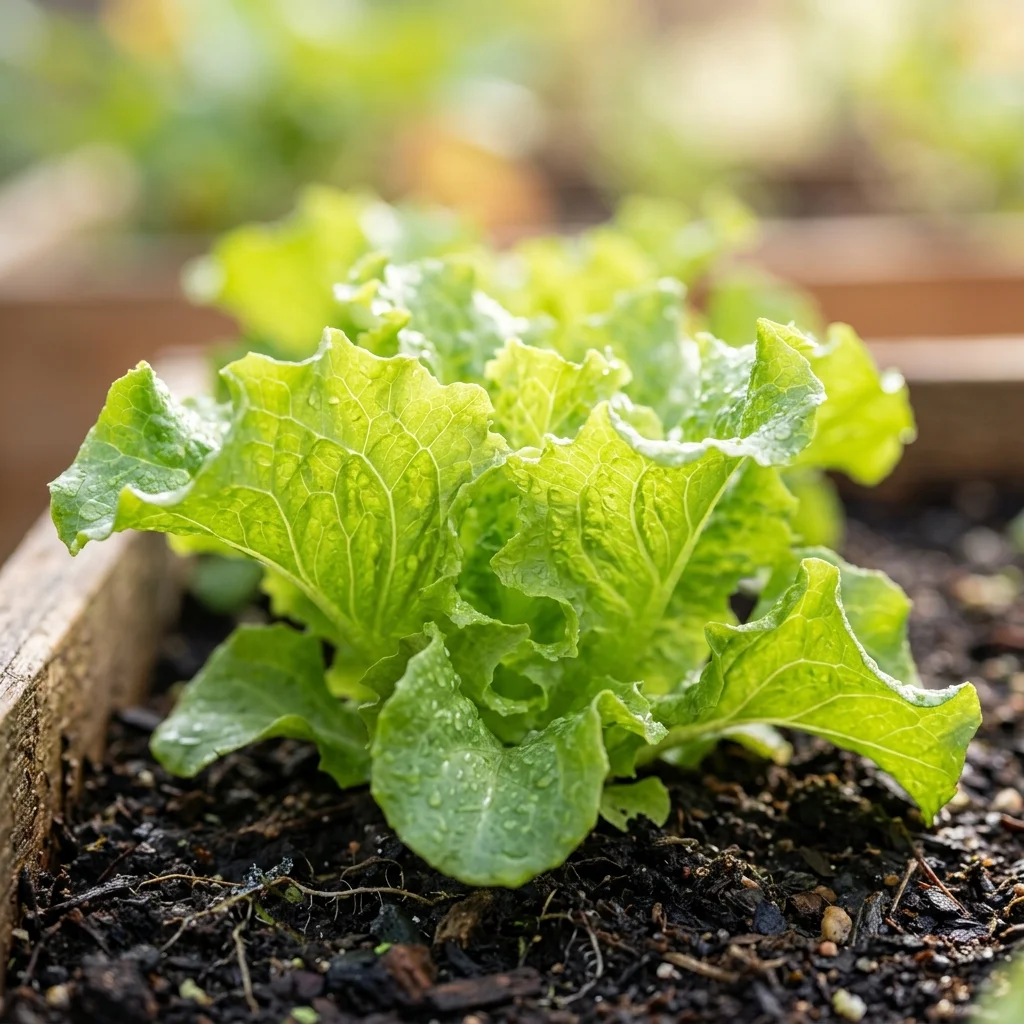
How to Identify Lettuce
Lettuce (Lactuca sativa) is a highly valued edible crop globally. Recognizing its definitive vegetative and fruit/vegetable structures is key to successful companion growing and harvesting.
-
✔
Key Visual Features: Low-growing, compact annuals forming loose rosette leaf clusters or dense round heads.
-
✔
Leaf & Stems: Succulent, smooth or ruffled green-red leaves with delicate, watery veins.
-
✔
Fruit/Edible Part: Tender, mild-flavored leaves harvested individually or as a whole compact crisp head.
Complete Growing & Harvesting Guide
Follow our detailed scientific agricultural cultivation guide to keep your Lettuce thriving and high-yielding.
Common Diseases & Treatment
Lettuce Bolting (Physiological)
Symptoms: The plant rapidly sends up a central flower stalk with yellow blooms, causing leaves to turn tough, milky, and bitter.
Bottom Rot (Rhizoctonia)
Symptoms: Water-soaked lesions appear on lower leaf stems touching damp soil, turning soft, brown, and rotting rapidly.
Frequently Asked Questions
Why are my lettuce leaves turning bitter?
High temperatures (above 24°C), water stress, or early bolting cause the plant to produce bitter milky latex. Provide afternoon shade.
How many days does it take to grow lettuce from seed?
Leaf lettuce grows extremely fast, maturing in 40-45 days, while head lettuces take 60-70 days from seed.
Can I grow lettuce indoors under lights?
Yes! Lettuce is perfect for indoor hydroponics or small pots under LED grow lights. Keep temperature cool (18°C-21°C).
Is romaine lettuce safe for pet cats?
Yes. Lettuce is completely non-toxic and pet-safe in small quantities. It provides healthy hydration and dietary fiber for cats.