Lime Growing & Harvesting Guide
Lime (Citrus aurantiifolia) is the zesty, high-energy star of the warm subtropical garden. Prize-winning for its intensely acidic, aromatic bright green fruits, this compact thorny evergreen thrives in hot, sunny locations, rewarding growers with year-round harvests.





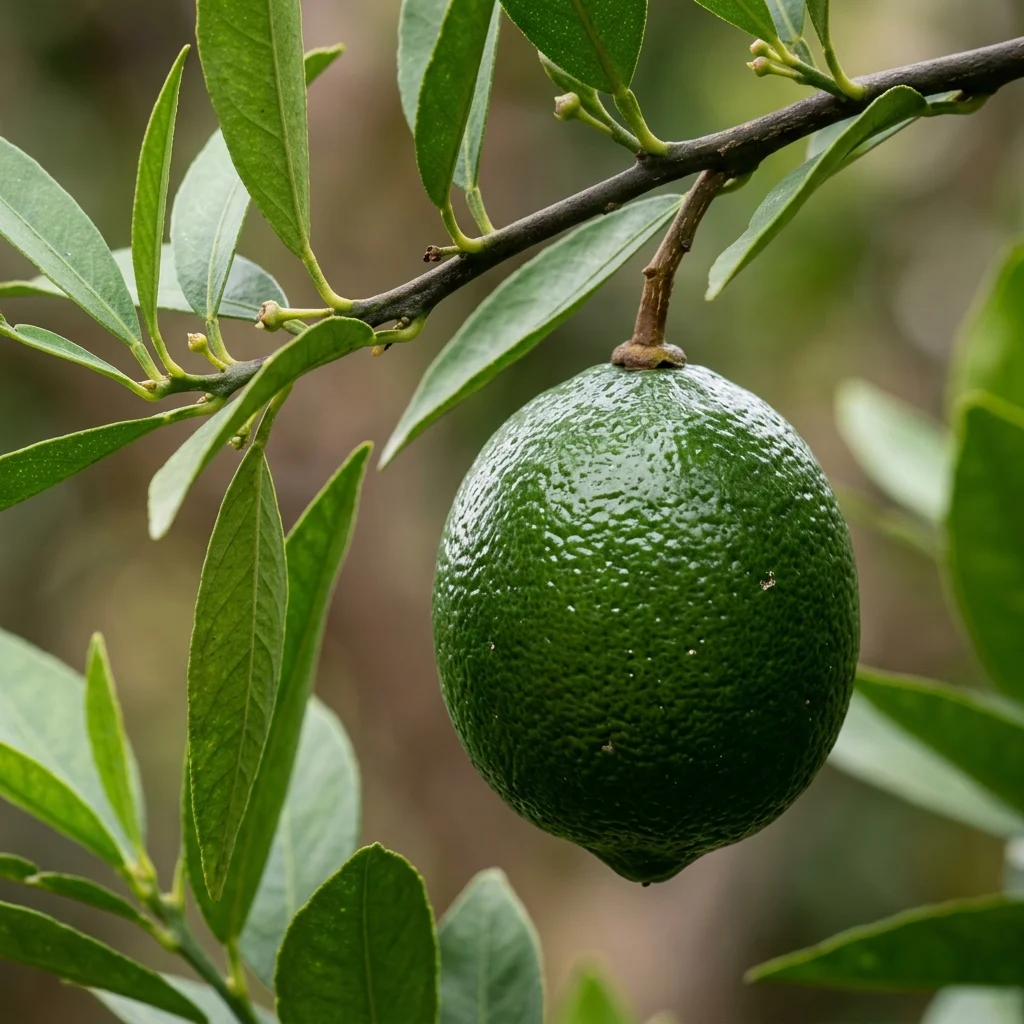
How to Identify Lime
Lime (Citrus aurantiifolia) is a highly valued edible crop globally. Recognizing its definitive vegetative and fruit/vegetable structures is key to successful companion growing and harvesting.
-
✔
Key Visual Features: Bushy small evergreen trees with numerous sharp thorns and bright green leaves.
-
✔
Leaf & Stems: Small oval leaves with narrowly winged petioles; tiny fragrant white flowers.
-
✔
Fruit/Edible Part: Small globose hesperidium fruits with thin green dimpled skin and highly acidic greenish pulp.
Complete Growing & Harvesting Guide
Follow our detailed scientific agricultural cultivation guide to keep your Lime thriving and high-yielding.
Common Diseases & Treatment
Citrus Melanose (Fungal)
Symptoms: Leaves and fruit skin develop rough, sandpaper-like dark brown raised pustules that shrivel twigs.
Phytophthora Gummosis
Symptoms: Bark at the base cracks, oozes dark amber gum, and peel-like sapwood underneath turns dark brown and dies.
Frequently Asked Questions
Why is my lime tree losing all its leaves?
Sudden defoliation is typically triggered by cold drafts, frost shock, or waterlogged soil. Move potted limes indoors before winter chills.
Are limes ripe when they turn yellow?
Yes! Limes actually ripen to a pale yellow. However, they are harvested green because they have peak acidity and shelf-life.
Do lime trees have thorns?
Yes! Most lime varieties (especially Key Lime) have sharp thorns on their branches. Handle with care when pruning or harvesting.
Are lime oils toxic to dogs?
Yes. Lime peels and foliage contain essential oils (limonene) and psoralens, which are toxic to dogs, causing vomiting and phototoxicity.