Lotus Root Growing & Harvesting Guide
Lotus Root (Nelumbo nucifera), the sacred starch treasure of calm waters, is a majestic aquatic perennial to grow. PRIZED for its beautifully structured, segmented underground rhizomes and gorgeous fragrant blooms, this heavy feeder requires deep swamp beds and intense midsummer sun.





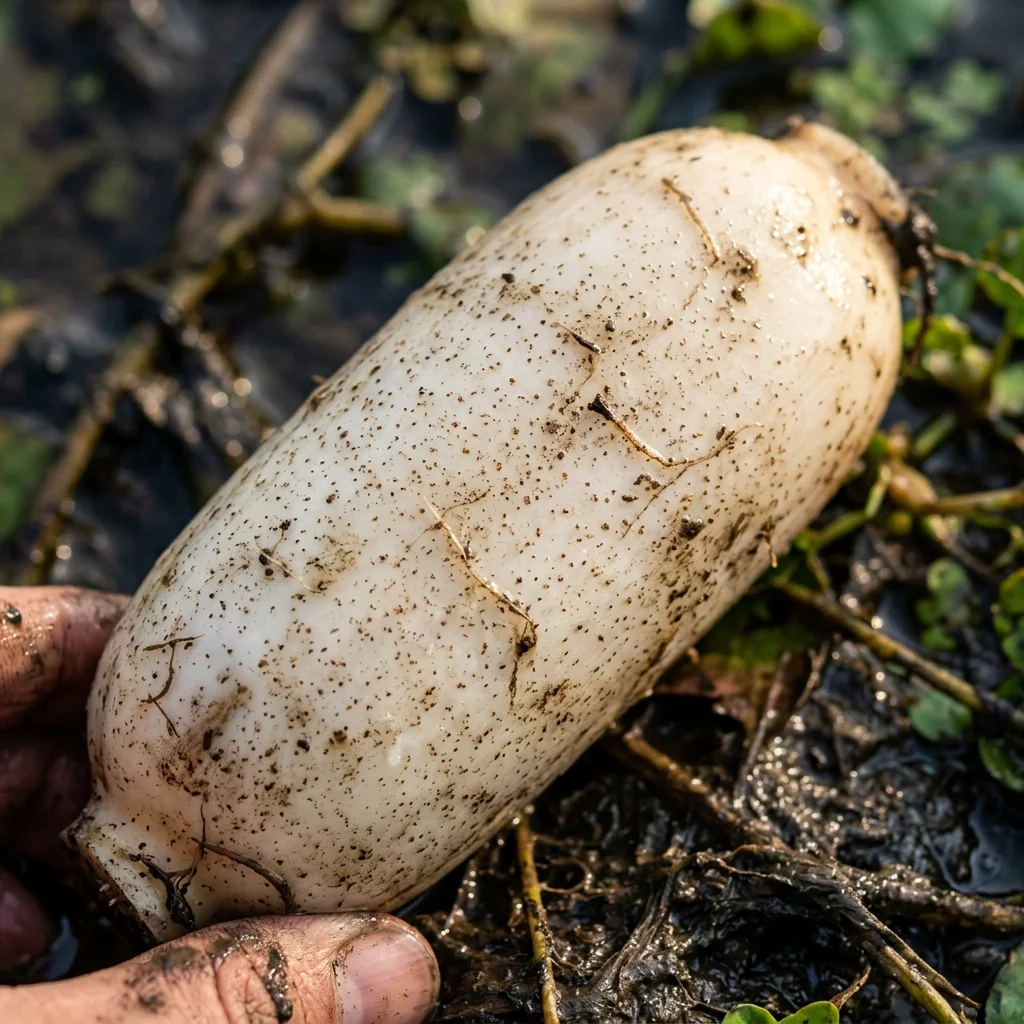
How to Identify Lotus Root
Lotus Root (Nelumbo nucifera) is a highly valued edible crop globally. Recognizing its definitive vegetative and fruit/vegetable structures is key to successful companion growing and harvesting.
-
✔
Key Visual Features: Aquatic perennial with massive, round umbrella-like leaves rising high above the water surface.
-
✔
Leaf & Stems: Large, gorgeous fragrant pink or white multi-petalled flowers; distinctive woody showerhead seed pods.
-
✔
Fruit/Edible Part: Long, thick, segmented ivory-white cylindrical rhizomes containing hollow aerated air tunnels.
Complete Growing & Harvesting Guide
Follow our detailed scientific agricultural cultivation guide to keep your Lotus Root thriving and high-yielding.
Common Diseases & Treatment
Pythium Root Rot (Pythium)
Symptoms: Underground rhizomes develop soft, black watery rot patches; emerging leaves turn yellow, wilt, and collapse.
Lotus Leaf Spot (Alternaria)
Symptoms: Floating and aerial leaves develop circular brown spots with concentric rings, expanding to dry out the leaves.
Frequently Asked Questions
What are the hollow holes inside lotus root segments?
These are aerated air canals (parenchyma tubes) that transport oxygen from the high floating leaves down to the buried roots in muddy water.
Can I grow lotus root in a container at home?
Yes! Use a large, wide container (at least 20 inches wide and 12 inches deep) without drainage holes. Fill half with rich soil, plant, and flood with water.
Why are my lotus leaves turning yellow and dying early?
This can be due to nutrient deficiency or lack of direct sun. Lotus is a heavy feeder and demands 6+ hours of intense, hot sunlight daily.
Is lotus root safe for pet cats and dogs?
Yes! Lotus root is completely safe and non-toxic for dogs and cats. (Note: Serve only cooked, peeled root slices as raw root is difficult to digest).