Allium cepa

Onion Growing & Harvesting Guide

Onion (Allium cepa) is the sweet, layered superstar of the traditional home garden. Treasured for its versatile bulbs, this essential kitchen crop demands careful day-length sensitivity selection and highly fertile, loose sandy loam beds to swell into prize-winning bulbs.


Sunlight Icon
Sunlight Full Sun (6+ hours)
Watering Icon
Watering Deep / Regular
Soil Mix Icon
Soil pH Rich, Sandy Loam (pH 6.0-6.8)
Temperature Icon
Target Temp 12°C - 25°C
Toxicity Warning Icon
Toxicity Toxic to Pets (Allium content)
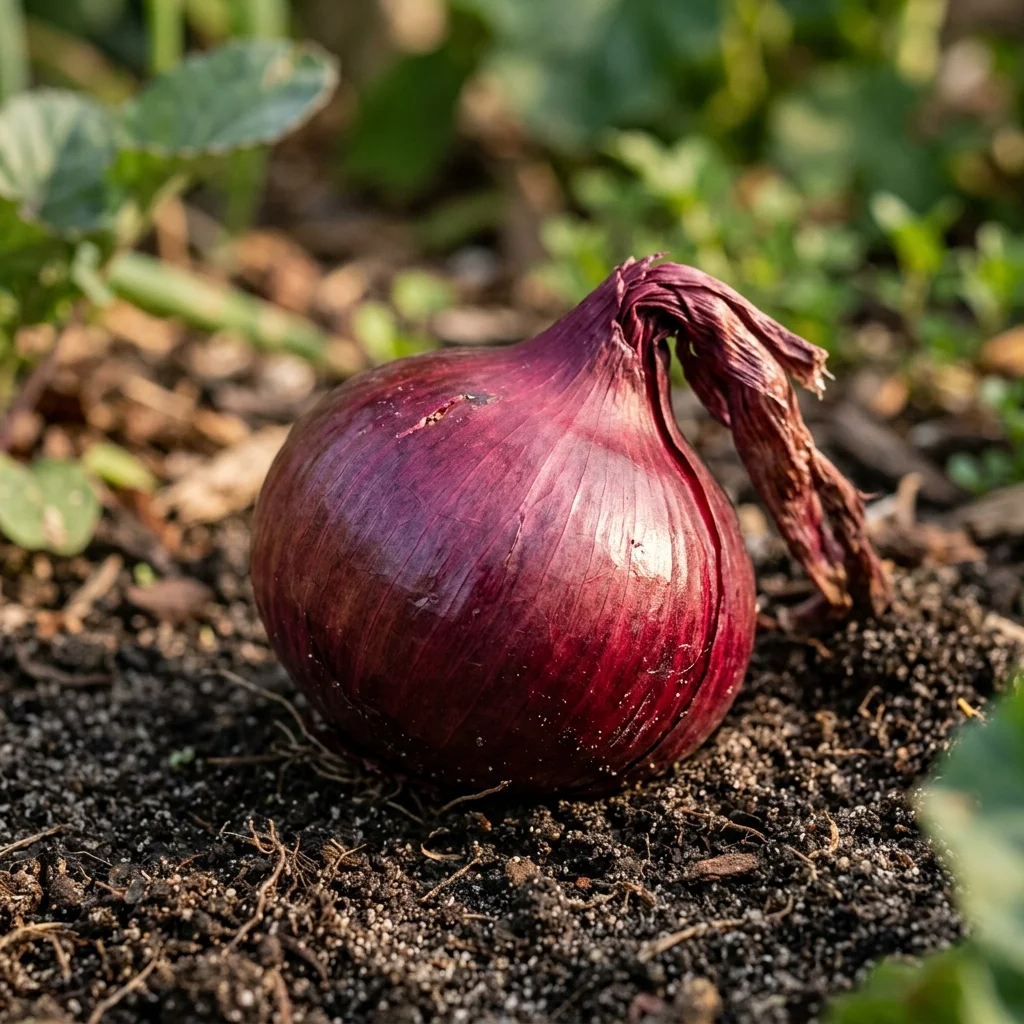
Botanical macro photography of Onion (Allium cepa) - Plant AI care database

How to Identify Onion

Onion (Allium cepa) is a highly valued edible crop globally. Recognizing its definitive vegetative and fruit/vegetable structures is key to successful companion growing and harvesting.

  • Key Visual Features: Low-growing herbaceous plants with hollow, cylindrical erect green leaves.
  • Leaf & Stems: Thin, waxy tubular leaves; a rounded flower umbel producing tiny white blossoms in the second year.
  • Fruit/Edible Part: A single layered, spherical or flat bulb wrapped in dry, papery yellow, red, or white skins.
💡 Plant AI Tip: Snap a photo with Plant AI to identify garden veggies and diagnose leaf spot diseases in 1 second.

Complete Growing & Harvesting Guide

Follow our detailed scientific agricultural cultivation guide to keep your Onion thriving and high-yielding.

Water regularly once a week. Onions have extremely shallow roots; avoid dry soil which chokes bulb expansion.
Prune away any early spring flower stalks (bolting) to redirect energy downwards into bulb swelling.
Feed every 3 weeks with high-nitrogen organic food to build massive foliage. Stop fertilizing once bulb swelling begins.
Demands absolute full sun, requiring 6+ hours of direct sunlight. Day length triggers bulb formation.
Prefers fertile, fast-draining sandy loam rich in organic compost (pH 6.0-6.8). Highly sensitive to compacted clay.
Plant sets or transplants in early spring. Bury sets 1 inch deep, spaced 4 inches apart in rows spaced 12 inches apart.
Thrives in cool temperate climates. Growth stops above 28°C. Select appropriate short-day or long-day varieties for your zone.
Space onions 4 inches apart. Ample spacing is vital for broad bulb expansion and keeping beds easy to weed.
Prone to onion maggots, thrips, and nematodes. Treat soil base proactively with organic diatomaceous earth.
Susceptible to Purple Blotch, Downy Mildew, and Neck Rot. Avoid overhead watering to keep foliage dry.
Harvest in late summer when the leaves turn yellow and 50% of the plant necks collapse and fall over naturally.

Is your Onion leaves turning yellow, spotted or dying?

Protect your kitchen garden. Take a photo with Plant AI to diagnose pests and crop diseases instantly.

Diagnose My Crop

Common Diseases & Treatment

Purple Blotch (Alternaria)

Symptoms: Small, water-soaked spots on leaves expand into large purple-brown lesions with concentric rings, causing leaf dieback.

Action: Ensure wide spacing for wind movement, avoid overhead sprinklers, and spray organic copper proactively in wet seasons.

Onion Maggot Infestation

Symptoms: Seedlings turn yellow, wilt, and pull out easily to reveal tiny white worms tunneling inside the decomposing bulb base.

Action: Use physical floating row covers immediately after planting, rotate crops annually, and apply organic beneficial nematodes.

Frequently Asked Questions

Why are my onions sending up flower stalks so early?

This is 'bolting', triggered by sudden temperature fluctuations or planting sets that were too large. Cut stalks off immediately.

What is the difference between long-day and short-day onions?

Long-day onions require 14-16 hours of light to swell (best for North); short-day onions require 10-12 hours (best for South).

How do I dry and cure harvested onions for winter storage?

Lay harvested onions in a warm, dry, shaded breezeway for 2-3 weeks until the outer skins turn papery and necks feel bone-dry.

Are onion leaves toxic to household dogs?

Yes. All onions contain thiosulfates which cause oxidative damage to red blood cells, leading to severe hemolytic anemia in pets.

Harvest bountiful greens. Grow healthy edibles today!

Get Started for Free