Passion Fruit Growing & Harvesting Guide
Passion Fruit (Passiflora edulis) is the ultimate exotic climber of the garden. Famous for its highly fragrant, intricate purple-white blooms and sweet-tart gelatinous yellow pulp, this vigorous evergreen vine turns fences and trellises into heavy-yielding structures.





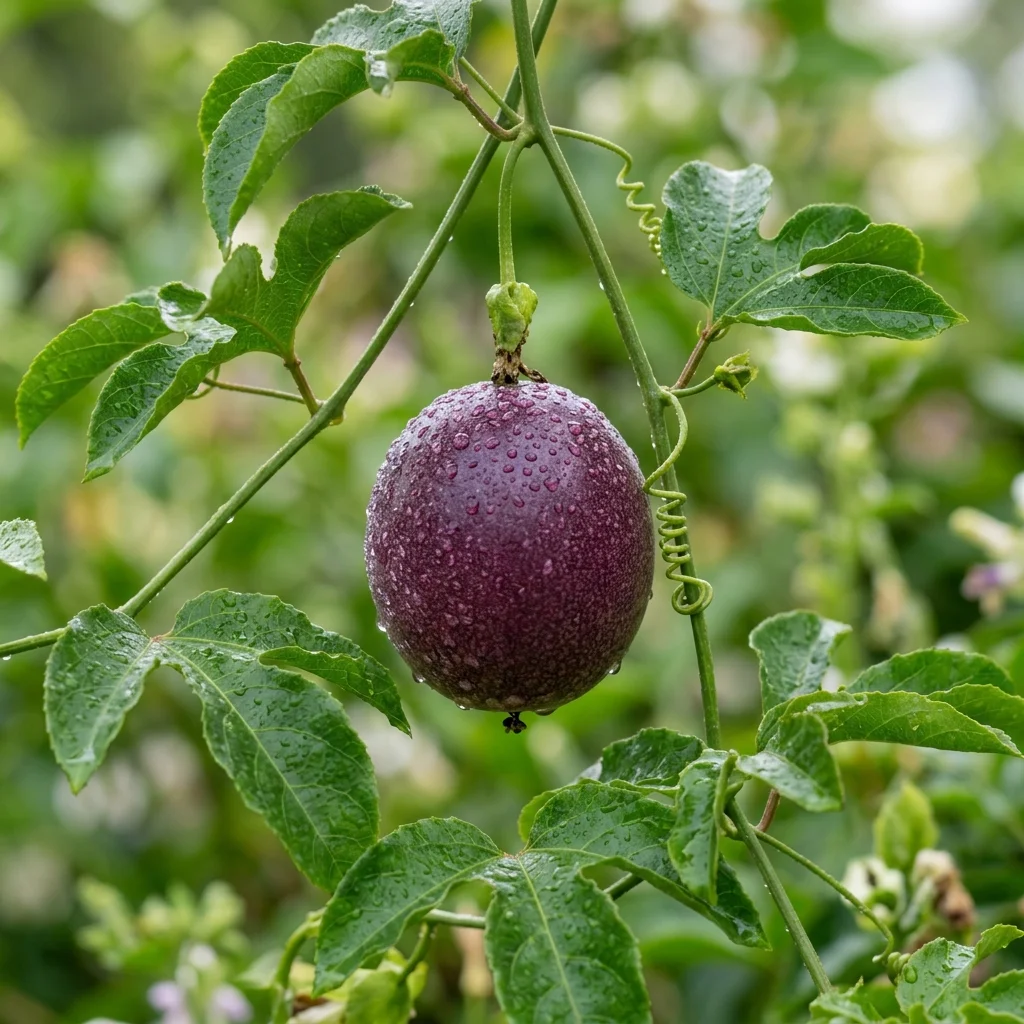
How to Identify Passion Fruit
Passion Fruit (Passiflora edulis) is a highly valued edible crop globally. Recognizing its definitive vegetative and fruit/vegetable structures is key to successful companion growing and harvesting.
-
✔
Key Visual Features: Vigorous, evergreen woody climbing vines with strong axillary tendrils.
-
✔
Leaf & Stems: Alternate, deeply three-lobed glossy dark green leaves; highly intricate purple-white fringed crown blossoms.
-
✔
Fruit/Edible Part: Round or oval berries with tough leathery purple or yellow skins and highly aromatic orange gelatinous seed pulp.
Complete Growing & Harvesting Guide
Follow our detailed scientific agricultural cultivation guide to keep your Passion Fruit thriving and high-yielding.
Common Diseases & Treatment
Fusarium Wilt (Fungal)
Symptoms: Leaves turn yellow, vine wilts rapidly from tips, and woody stem tissue at the soil line turns brown and splits.
Passion Fruit Anthracnose
Symptoms: Circular, oily brown spots appear on leaves and fruits, leading to early leaf drop and rotten fruit skins.
Frequently Asked Questions
Why is my passion fruit vine blooming but not setting fruit?
Inadequate pollination is the main cause. Passion fruits are often self-sterile and require large bees. Hand-pollinate with a small brush.
How many years does passion fruit vine take to fruit?
Vigorous vines grown from cuttings or grafting can start bearing fruit within 12 to 18 months after spring planting.
Can I grow passion fruit in a large container?
Yes! Grow in a 15-gallon pot filled with premium potting soil, provide a robust trellis, and place in a hot, sunny patio corner.
Is passion fruit foliage toxic to household pets?
Yes. Passion fruit vines, leaves, and green unripe fruits contain cyanogenic glycosides which can cause vomiting and drooling in pets. The ripe orange pulp is safe.