Pyrus communis

Pear Growing & Harvesting Guide

Pear (Pyrus communis) is the elegant, bell-shaped treasure of the home orchard. Prized for its sweet, buttery-soft melting flesh, this sturdy deciduous pome tree is highly adaptable, producing abundant annual yields under minimal care.


Sunlight Icon
Sunlight Full Sun (6-8 hours)
Watering Icon
Watering Deep / Moderate
Soil Mix Icon
Soil pH Rich Loam/Clay (pH 6.0-7.0)
Temperature Icon
Target Temp -20°C - 35°C
Toxicity Warning Icon
Toxicity Toxic to Pets (Seeds/Pit)
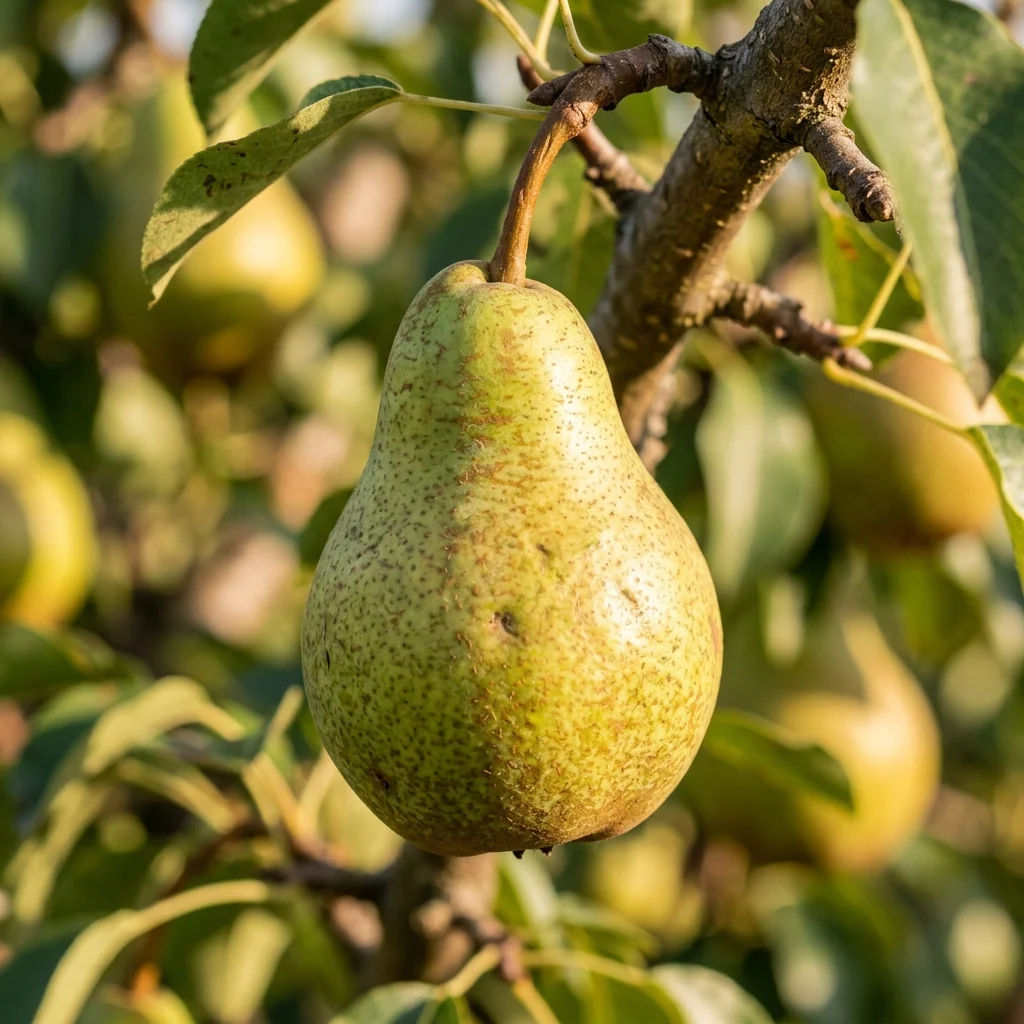
Botanical macro photography of Pear (Pyrus communis) - Plant AI care database

How to Identify Pear

Pear (Pyrus communis) is a highly valued edible crop globally. Recognizing its definitive vegetative and fruit/vegetable structures is key to successful companion growing and harvesting.

  • Key Visual Features: Deciduous medium trees with narrow, upright columnar growth habits.
  • Leaf & Stems: Glossy, dark green finely-serrated oval leaves; cluster of snow-white spring flowers.
  • Fruit/Edible Part: Classic pyriform (bell-shaped) fruits turning yellow, green, or russet-brown.
💡 Plant AI Tip: Snap a photo with Plant AI to identify garden veggies and diagnose leaf spot diseases in 1 second.

Complete Growing & Harvesting Guide

Follow our detailed scientific agricultural cultivation guide to keep your Pear thriving and high-yielding.

Water deeply once every 10-14 days. Pears are slightly more tolerant of heavy soil moisture than apples, but still prefer drainage.
Prune in late winter. Train to a central leader or modified leader system. Thin out thick vertical water sprouts.
Avoid high-nitrogen fertilizers which stimulate lush vegetative foliage that is highly vulnerable to fire blight.
Thrives in full sun, requiring 6-8 hours of direct sunlight. Good sunlight ensures sugar accumulation in ripening pears.
Prefers fertile, deep loam but is uniquely tolerant of heavier clay soils with slow drainage.
Plant dormant bare-root trees in early spring. Keep graft joint 2-3 inches above soil surface to prevent rooting of scion.
Requires winter chilling. Very cold-hardy, withstanding winter temperatures down to -20°C.
Space standard pear trees 15-18 feet apart to facilitate air movement and prevent fungal blight spore buildup.
Prone to pear psylla, codling moth, and spider mites. Apply dormant oil in late winter to smother overwintering insects.
Extremely susceptible to Fire Blight and Pear Rust. Keep foliage dry and prune out infected wood instantly.
Always harvest pears green and firm when they reach full size. They ripen to buttery perfection off the tree.

Is your Pear leaves turning yellow, spotted or dying?

Protect your kitchen garden. Take a photo with Plant AI to diagnose pests and crop diseases instantly.

Diagnose My Crop

Common Diseases & Treatment

Fire Blight (Bacterial)

Symptoms: Stems, leaves, and flowers blacken rapidly as if scorched by flame. Black ooze may appear on branches.

Action: Prune out diseased limbs 8-12 inches below margins, dipping tools in alcohol between cuts.

Pear Rust (Fungal)

Symptoms: Bright orange-red spots develop on upper leaf surfaces, accompanied by fuzzy brown growths beneath.

Action: Remove alternate juniper hosts nearby and spray with organic sulphur fungicide during spring bud burst.

Frequently Asked Questions

Why do my pears rot from the inside out?

This happens when pears are left to ripen fully on the tree. Pears must be picked firm and green, then ripened at room temperature.

How do I know when to harvest my pears?

Tilt the pear horizontally. If it snaps off easily at the stem joint, it is ready. If it clings, let it grow longer.

Do I need two pear trees to get fruit?

Most pear trees require cross-pollination with a different variety blooming at the same time to ensure high fruit set.

Are pear seeds dangerous for dogs?

Yes. Just like apples, pear seeds contain trace amounts of amygdalin (cyanide), which can cause poisoning if crushed and ingested.

Harvest bountiful greens. Grow healthy edibles today!

Get Started for Free