Persimmon Growing & Harvesting Guide
Persimmon (Diospyros kaki) is the golden, honey-sweet treasure of the late autumn garden. Highly prized for its rich, gelatinous orange fruits and spectacular autumn foliage, this resilient deciduous tree is exceptionally easy to grow.





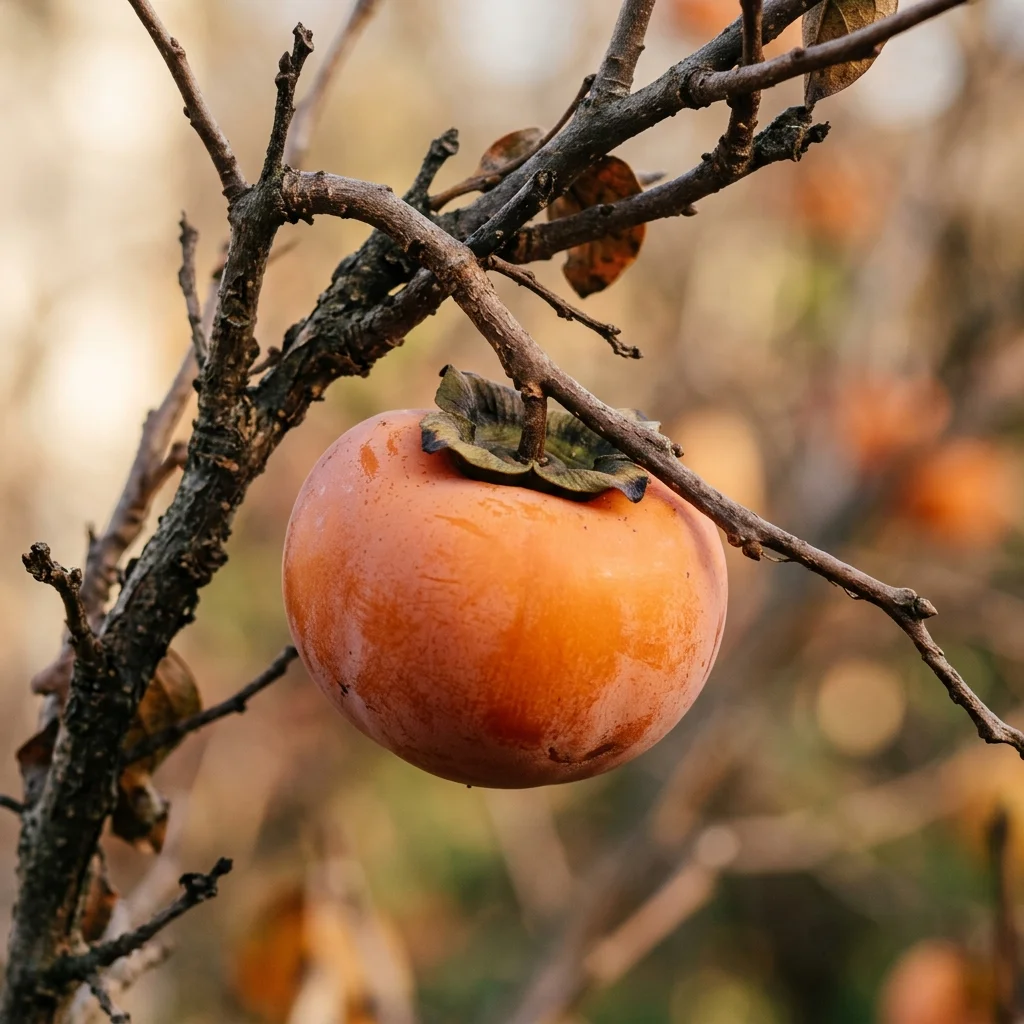
How to Identify Persimmon
Persimmon (Diospyros kaki) is a highly valued edible crop globally. Recognizing its definitive vegetative and fruit/vegetable structures is key to successful companion growing and harvesting.
-
✔
Key Visual Features: Deciduous medium-sized trees with rounded crowns and beautiful black bark.
-
✔
Leaf & Stems: Broad ovate leaves turning brilliant red-orange in autumn; small yellowish-white flowers.
-
✔
Fruit/Edible Part: Globose, smooth-skinned orange-yellow fruits with persistent calyx leafy crown.
Complete Growing & Harvesting Guide
Follow our detailed scientific agricultural cultivation guide to keep your Persimmon thriving and high-yielding.
Common Diseases & Treatment
Leaf Spot (Cercospora)
Symptoms: Leaves develop small dark circular spots, turning yellow and falling prematurely, reducing tree vigor.
Root Rot (Phytophthora)
Symptoms: Leaves wilt, turn bright yellow, twigs die back, and the lower trunk bark turns brown and slimy.
Frequently Asked Questions
Why are my persimmons extremely bitter?
Astringent persimmon varieties (like Hachiya) must turn completely soft and gelatinous before eating to lose bitter tannins. Non-astringent ones (like Fuyu) are sweet while firm.
Do persimmon trees need cross-pollination?
No. Most popular persimmon varieties are parthenocarpic (produce seedless fruit without pollination) and self-fertile.
How can I protect my persimmons from birds?
Birds will strip a persimmon tree overnight. Use high-quality nylon bird netting to physically cover the tree canopy.
Is persimmon fruit safe for dogs?
Yes! Persimmon pulp is safe and highly nutritious for dogs. However, always remove seeds and central pith, which can cause intestinal blockage.