Raspberry Growing & Harvesting Guide
Raspberry (Rubus idaeus) is the sweet, velvety gold of the summer fruit bed. Prized for its sweet, intensely aromatic hollow berries and upright cane habit, this robust perennial shrub is a staple for garden borders and fruit patches.





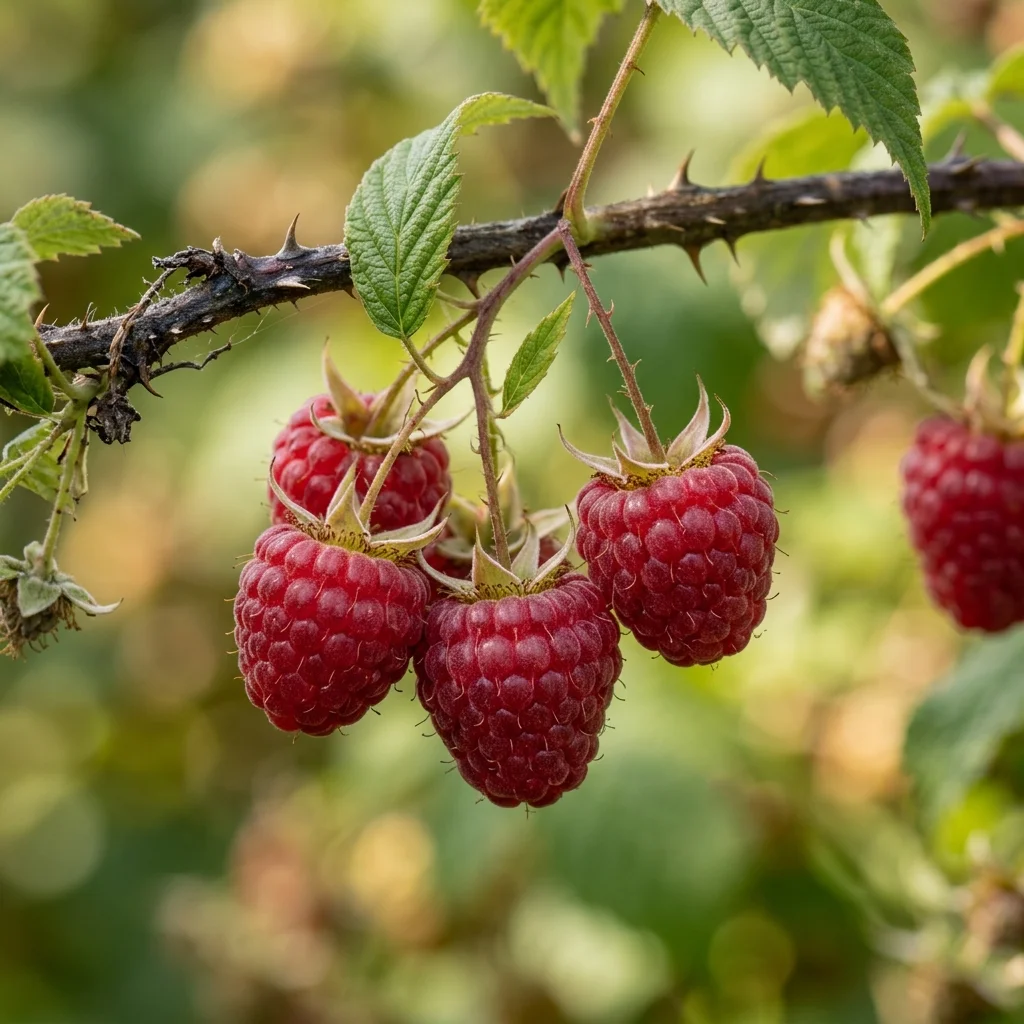
How to Identify Raspberry
Raspberry (Rubus idaeus) is a highly valued edible crop globally. Recognizing its definitive vegetative and fruit/vegetable structures is key to successful companion growing and harvesting.
-
✔
Key Visual Features: Upright, arching biennial woody canes (brambles) covered in fine, prickle-like green thorns.
-
✔
Leaf & Stems: Pinnate leaves with 3 to 5 serrated leaflets, bright green above and pale silvery-grey beneath.
-
✔
Fruit/Edible Part: Velvety, hollow aggregate red fruits that slip off the central white core receptacle when picked.
Complete Growing & Harvesting Guide
Follow our detailed scientific agricultural cultivation guide to keep your Raspberry thriving and high-yielding.
Common Diseases & Treatment
Phytophthora Root Rot
Symptoms: Canes wilt rapidly in midsummer; leaves turn yellow-brown and dry out; roots turn black and rot in wet soil.
Cane Blight (Fungal)
Symptoms: Dark purple-black cankers form near prune wounds on canes, causing the cane to wilt and die.
Frequently Asked Questions
What is the difference between summer-bearing and everbearing raspberries?
Summer-bearers produce one heavy crop on 2nd-year canes (floricanes). Everbearers fruit on both 1st-year (primocanes) and 2nd-year canes.
Why are my raspberries crumbling when I pick them?
Crumbling is usually caused by dry weather during flowering, poor wind/bee pollination, or tomato ringspot virus.
Do raspberries spread aggressively?
Yes. Raspberries spread quickly via underground runners (suckers). Mow or prune suckers outside the designated bed.
Are raspberry leaves toxic to dogs?
No, the leaves and fruits are non-toxic to dogs and cats. Raspberry leaves are actually used in some pet herbal supplements.