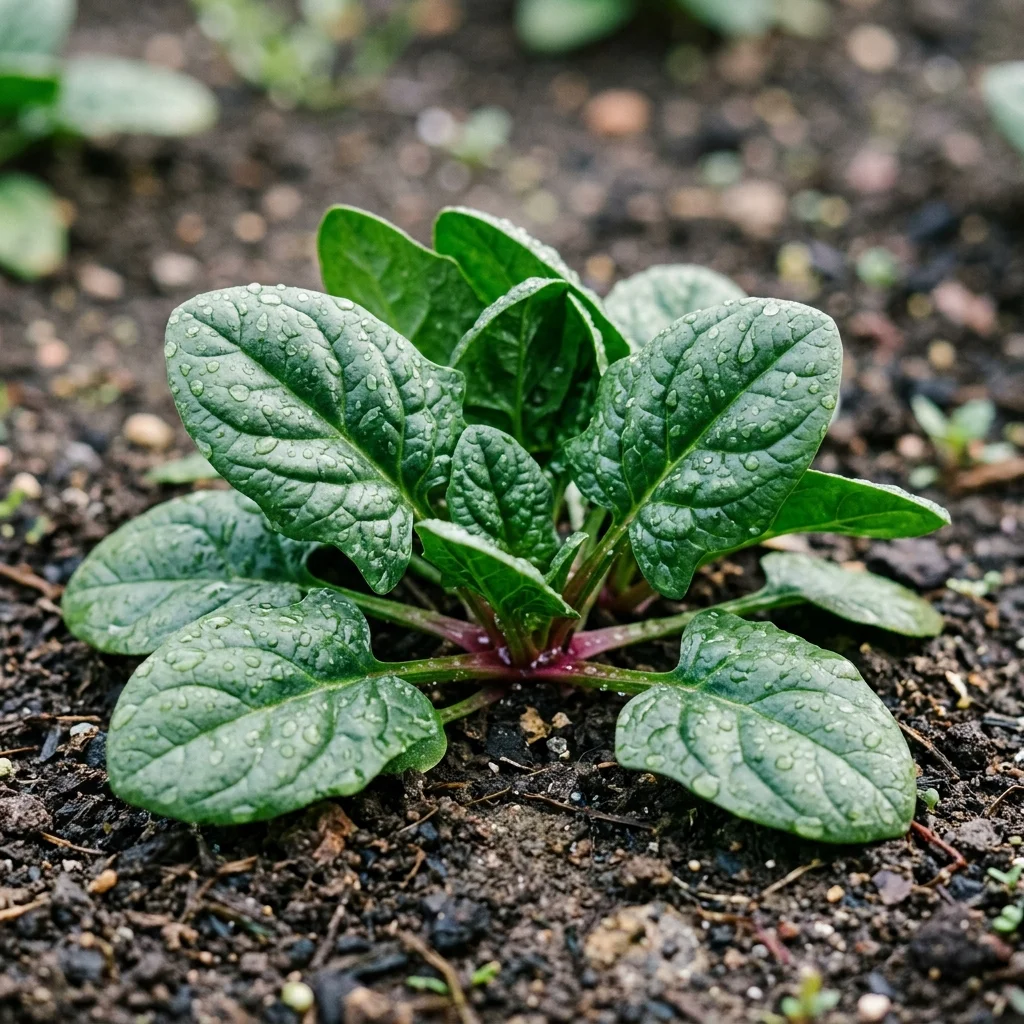
Spinacia oleracea

Spinach Growing & Harvesting Guide

Spinach (Spinacia oleracea) is the dark green, highly nutritious king of the cool-season vegetable patch. Famous for its thick, succulent spade-shaped leaves and extreme cold hardiness, this fast-growing annual yields abundant fresh greens from early spring to late winter.


Sunlight Icon
Sunlight Full Sun / Partial Shade
Watering Icon
Watering Consistent / Deep
Soil Mix Icon
Soil pH Rich, Moisture-Retentive (pH 6.5-7.5)
Temperature Icon
Target Temp 5°C - 20°C
Toxicity Warning Icon
Toxicity Pet Friendly (Non-toxic)
Botanical macro photography of Spinach (Spinacia oleracea) - Plant AI care database

How to Identify Spinach

Spinach (Spinacia oleracea) is a highly valued edible crop globally. Recognizing its definitive vegetative and fruit/vegetable structures is key to successful companion growing and harvesting.

  • Key Visual Features: Low-growing, compact annuals forming a dense, ground-hugging rosette leaf cluster.
  • Leaf & Stems: Thick, smooth or crinkled dark green spade-shaped leaves with delicate red-tinged leaf stalks.
  • Fruit/Edible Part: Succulent, mild-flavored leaves harvested individually or as a whole ground rosette.
💡 Plant AI Tip: Snap a photo with Plant AI to identify garden veggies and diagnose leaf spot diseases in 1 second.

Complete Growing & Harvesting Guide

Follow our detailed scientific agricultural cultivation guide to keep your Spinach thriving and high-yielding.

Water regularly twice a week, receiving 1 to 1.5 inches of water. Shallow roots require consistently moist soil.
Prune away only yellowing or damaged outer leaves. Harvest outer leaves continuously using a 'cut-and-come-again' method.
Apply balanced organic fertilizer high in nitrogen once every 3 weeks to support rapid leaf development.
Thrives in full sun but tolerates partial shade. In hot climates, afternoon shade prevents early bolting.
Prefers fertile, fast-draining sandy loam rich in organic compost (pH 6.5-7.5). Highly sensitive to acidic soils.
Sow seeds directly outdoors in early spring or late summer once soil is workable. Plant seeds very shallow.
Thrives in cool climates. Ideal temperature range is 5°C-20°C. Highly frost-tolerant; freezing temperatures sweeten flavor.
Space plants 3-6 inches apart. Crowded plants fail to expand and are highly prone to pest infestations.
Prone to leafminers, aphids, and slugs. Use physical row covers and apply diatomaceous earth proactively.
Susceptible to Downy Mildew and Fusarium Wilt. Practice 4-year crop rotation and ensure excellent soil hygiene.
Harvest outer leaves continuously as needed, or cut entire plants at soil level once rosettes reach mature size.

Is your Spinach leaves turning yellow, spotted or dying?

Protect your kitchen garden. Take a photo with Plant AI to diagnose pests and crop diseases instantly.

Diagnose My Crop

Common Diseases & Treatment

Spinach Downy Mildew (Fungal)

Symptoms: Upper leaf surfaces show yellow spots, with gray-purple fuzzy mold on underside in highly humid weather.

Action: Ensure wide spacing for excellent wind movement, avoid overwatering, and spray organic copper proactively.

Leafminer Infestation

Symptoms: Leaves develop winding white trails or large paper-like tan blotches caused by larvae chewing inside leaf layers.

Action: Install fine mesh row covers proactively, hand-pick and destroy infected leaves, and apply organic spinosad.

Frequently Asked Questions

Why is my spinach flowering so early?

Increasing day length (above 14 hours) or temperatures above 24°C trigger early bolting. Plant in early spring or fall.

Can I grow spinach in acidic soil?

No. Spinach is highly sensitive to soil acidity (prefers pH 6.5-7.5). Apply agricultural lime to raise soil pH before planting.

How do I harvest spinach so it keeps growing?

Harvest only the outer mature leaves by cutting them near the base. Leave the center growing bud intact to continuously grow new foliage.

Is raw spinach safe for household dogs?

Yes. Spinach is non-toxic and pet-safe in small quantities. Limit intake as high oxalic acid can affect calcium absorption in pets.

Harvest bountiful greens. Grow healthy edibles today!

Get Started for Free