Fragaria x ananassa

Strawberry Growing & Harvesting Guide

Strawberry (Fragaria x ananassa) is the crown jewel of the home fruit garden. Famous for its low-growing runner habit, beautiful white flowers, and incredibly fragrant, sweet red heart-shaped fruits, this perennial is a favorite for raised beds and hanging baskets.


Sunlight Icon
Sunlight Full Sun (6-8 hours)
Watering Icon
Watering Consistent / Shallow
Soil Mix Icon
Soil pH Sandy, Acidic (pH 5.5-6.5)
Temperature Icon
Target Temp 15°C - 25°C
Toxicity Warning Icon
Toxicity Pet Friendly (Fruits)
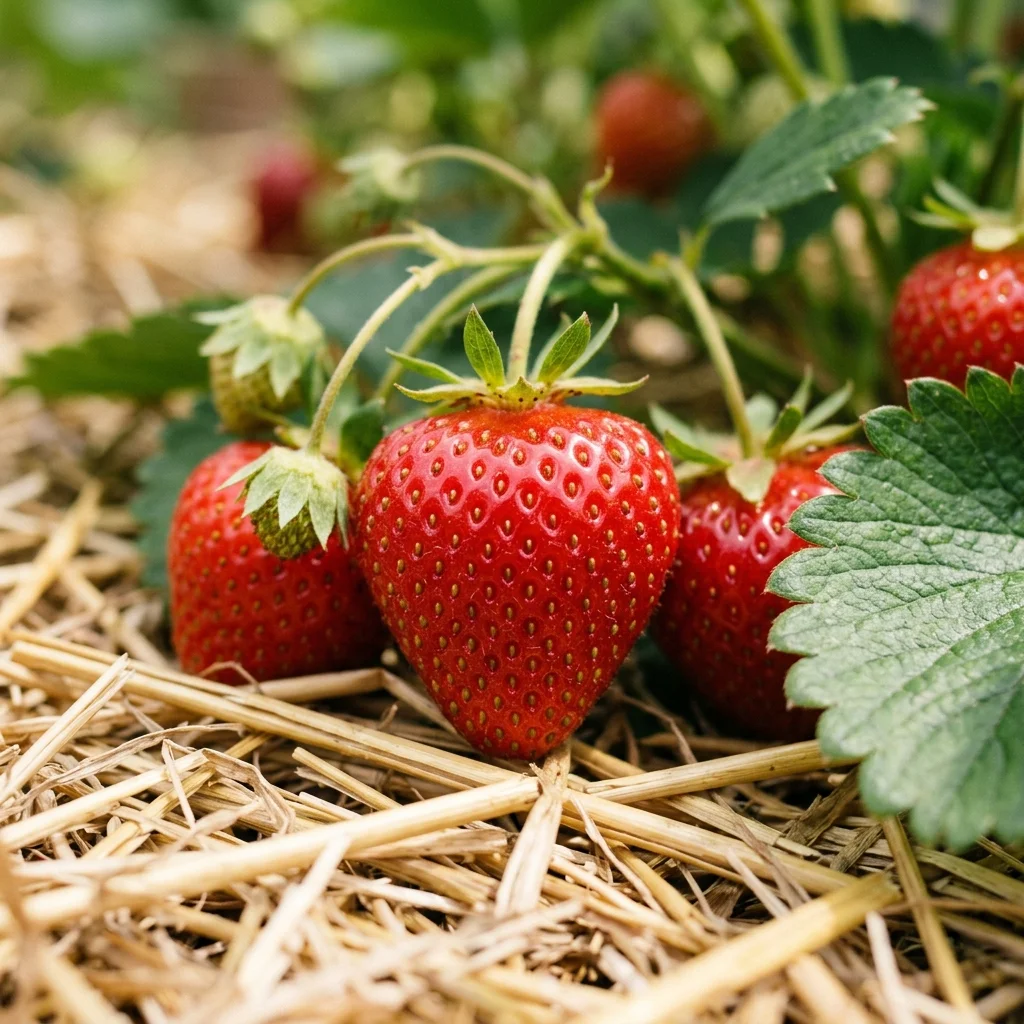
Botanical macro photography of Strawberry (Fragaria x ananassa) - Plant AI care database

How to Identify Strawberry

Strawberry (Fragaria x ananassa) is a highly valued edible crop globally. Recognizing its definitive vegetative and fruit/vegetable structures is key to successful companion growing and harvesting.

  • Key Visual Features: Low-growing, clump-forming herbaceous perennial spreading via creeping red stems (runners).
  • Leaf & Stems: Trifoliate (three-parted) bright green serrated leaves; five-petaled white flowers with yellow centers.
  • Fruit/Edible Part: Bright red heart-shaped accessory fruits studded with tiny yellow-brown seeds (achenes) on the surface.
💡 Plant AI Tip: Snap a photo with Plant AI to identify garden veggies and diagnose leaf spot diseases in 1 second.

Complete Growing & Harvesting Guide

Follow our detailed scientific agricultural cultivation guide to keep your Strawberry thriving and high-yielding.

Keep shallow roots consistently moist. Provide 1 inch of water weekly, taking care not to wet ripening fruits.
Pinch off early runners to focus energy on the mother plant. Prune dead leaves in early spring.
Feed with balanced organic berry food in early spring and again after the main harvest is completed.
Requires 6-8 hours of direct sunlight. More sun directly translates to sweeter, redder, and larger strawberries.
Highly fertile, compost-rich, sandy soil. Requires excellent drainage and slightly acidic pH (5.5-6.5).
Plant crowns at the soil level; burying the crown causes rot, while planting too shallow causes drying.
Optimal growing range is 15°C-25°C. Strawberries are hardy but flowers must be protected from late spring frosts.
Space crowns 12-18 inches apart. Mulch heavily with clean straw to keep ripening berries off the wet soil.
Prone to slugs, birds, and tarnished plant bugs. Protect with bird netting and use organic slug baits.
Susceptible to Gray Mold (Botrytis) and Powdery Mildew. Water early in the day at the base of the plant.
Harvest when berries are fully red, glossy, and slightly soft. Leave the green cap (hull) attached to prolong freshness.

Is your Strawberry leaves turning yellow, spotted or dying?

Protect your kitchen garden. Take a photo with Plant AI to diagnose pests and crop diseases instantly.

Diagnose My Crop

Common Diseases & Treatment

Gray Mold (Botrytis)

Symptoms: Ripening strawberries develop a fuzzy, velvety gray fungal coating, decaying and rotting rapidly.

Action: Prune overcrowded foliage to improve airflow, mulch with dry straw, and remove infected berries instantly.

Crown Rot

Symptoms: The main crown turns brown, decays, and collapse; leaves wilt rapidly due to soil-borne pathogens in wet soil.

Action: Plant in raised beds to ensure superior drainage, and never bury the central crown during planting.

Frequently Asked Questions

Why are my strawberries small and misshapen?

Misshapen berries are caused by poor pollination during spring blooms. Encourage wild bees or hand-pollinate with a soft brush.

What should I do with the long runners (stolons)?

Clip runners off during the fruiting season to maximize berry size. In late summer, let them root to create free new plants.

How long do strawberry plants live?

Strawberry plants are perennials but their productivity drops after 3-4 years. Replace beds with fresh runners periodically.

Are strawberry plants safe for dogs?

Yes! The strawberry fruit is completely safe and nutritious for dogs in moderation. The leaves and stems are also non-toxic.

Harvest bountiful greens. Grow healthy edibles today!

Get Started for Free