Sweet Potato Growing & Harvesting Guide
Sweet Potato (Ipomoea batatas) is the highly sweet, trailing marvel of the warm summer garden. Prized for its exceptionally nutritious, orange-fleshed tuberous roots and beautiful climbing vines, this heat-loving crop requires long, hot summers and proper curing to develop its rich sugars.





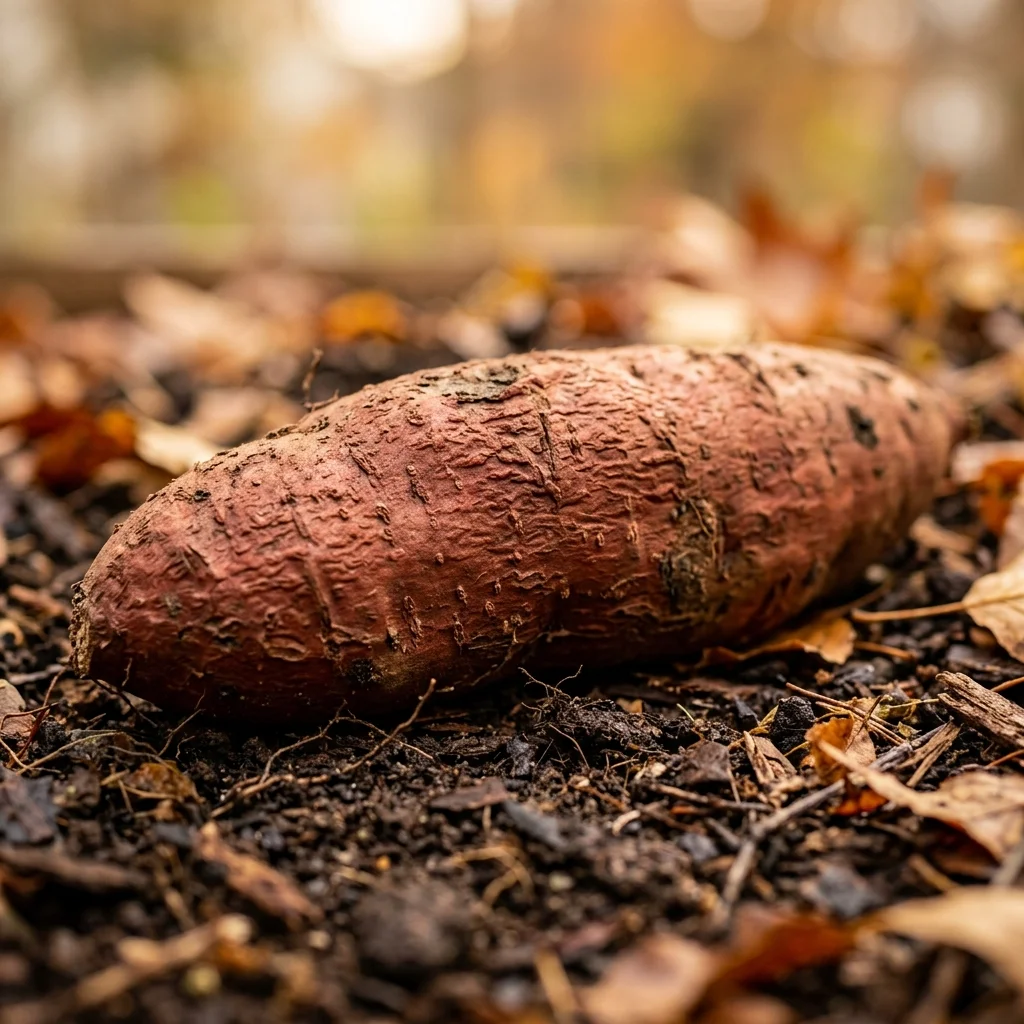
How to Identify Sweet Potato
Sweet Potato (Ipomoea batatas) is a highly valued edible crop globally. Recognizing its definitive vegetative and fruit/vegetable structures is key to successful companion growing and harvesting.
-
✔
Key Visual Features: Vigorous, trailing annual vines forming a dense, ground-hugging lush green carpet.
-
✔
Leaf & Stems: Heart-shaped or deeply lobed green leaves; occasional funnel-shaped pink-purple blossoms.
-
✔
Fruit/Edible Part: Elongated, tapered tuberous roots with thin copper, red, or purple skins and highly sweet orange pulp.
Complete Growing & Harvesting Guide
Follow our detailed scientific agricultural cultivation guide to keep your Sweet Potato thriving and high-yielding.
Common Diseases & Treatment
Sweet Potato Scurf (Fungal)
Symptoms: Roots develop dark brown-black surface stains that expand during storage, ruining the appearance but not flesh quality.
Stem Rot / Wilt (Fusarium)
Symptoms: Young foliage turns pale green-yellow, leaves wilt, vines die back, and internal vascular tissue turns dark brown.
Frequently Asked Questions
Why are my harvested sweet potatoes not sweet?
Sweet potatoes must be 'cured' after harvest. Store them at 27°C-30°C and 85% humidity for 10-14 days to convert starches into sugars.
Can I grow sweet potatoes from store-bought roots?
Store-bought roots are often treated with sprout inhibitors. It is highly recommended to buy certified disease-free slips from nurseries.
Are sweet potato leaves edible?
Yes! Unlike white potato leaves (which are toxic), sweet potato leaves are highly nutritious, tasty, and safe to eat raw or cooked.
Are sweet potato vines safe for pet cats?
Yes. Sweet potato foliage, vines, and cooked roots are completely non-toxic and pet-safe according to ASPCA guidelines.