Water Chestnut Growing & Harvesting Guide
Water Chestnut (Eleocharis dulcis), the sweet and crunchy aquatic gem of marsh gardens, is a highly rewarding perennial sedge to grow. Prizes for its crisp, white flesh segments and glossy dark skin, this heat-loving crop requires continuous water submersion and sand-muck beds.



How to Identify Water Chestnut
Water Chestnut (Eleocharis dulcis) is a highly valued edible crop globally. Recognizing its definitive vegetative and fruit/vegetable structures is key to successful companion growing and harvesting.
-
✔
Key Visual Features: Upright, semi-aquatic perennial sedge with tubular, hollow bright green rush-like stems.
-
✔
Leaf & Stems: Stems grow 2 to 4 feet tall; produces tiny, inconspicuous brownish spikelets at the stem tips.
-
✔
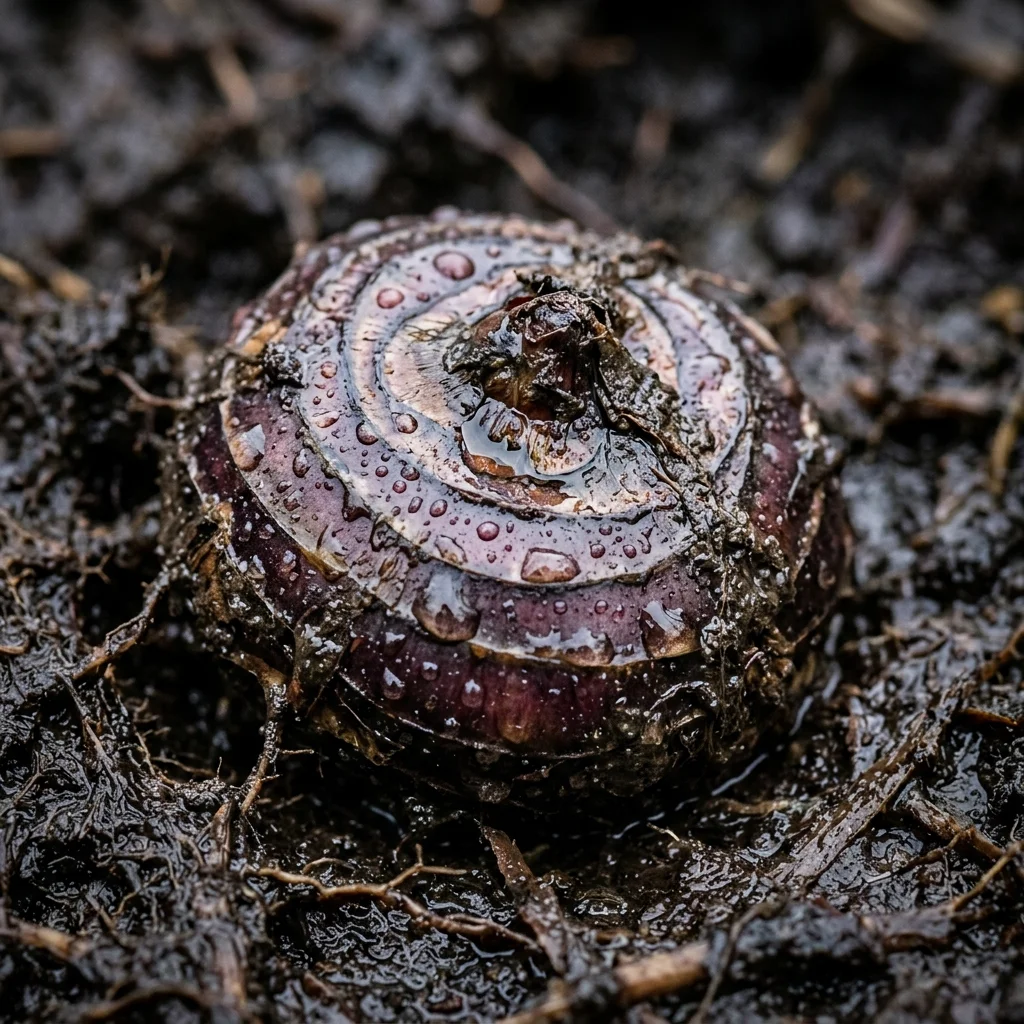
Fruit/Edible Part: Subterranean rounded, flattened dark purplish-brown corm with a crispy white sweet flesh.
Complete Growing & Harvesting Guide
Follow our detailed scientific agricultural cultivation guide to keep your Water Chestnut thriving and high-yielding.
Common Diseases & Treatment
Sedge Stem Rot (Rhizoctonia)
Symptoms: Stems develop reddish-brown watery decay spots near the waterline, expanding to cause stem collapse.
Corm Rust (Uromyces)
Symptoms: Hollow green stems develop small, rust-colored pustules, reducing photosynthesis and resulting in small corms.
Frequently Asked Questions
Q: Can I grow water chestnuts in a home garden?
A: Yes! You can grow them in large, water-tight plastic tubs, buckets, or wading pools filled with 8 inches of rich soil and flooded with water.
Q: How long do water chestnuts take to mature?
A: Water chestnuts require a long, hot growing season of 200 to 220 frost-free days to fully develop sweet, crispy corms.
Q: Why are my water chestnut corms soft and rotting underground?
A: This is caused by stem rot due to stagnant, poorly oxygenated water. Ensure your tub has fresh water cycled in and out occasionally.
Q: Are water chestnuts safe for pet dogs and cats?
A: Yes! The crisp white flesh of water chestnuts is completely non-toxic and safe for pets. (Note: Peel the tough purplish outer rind before feeding).